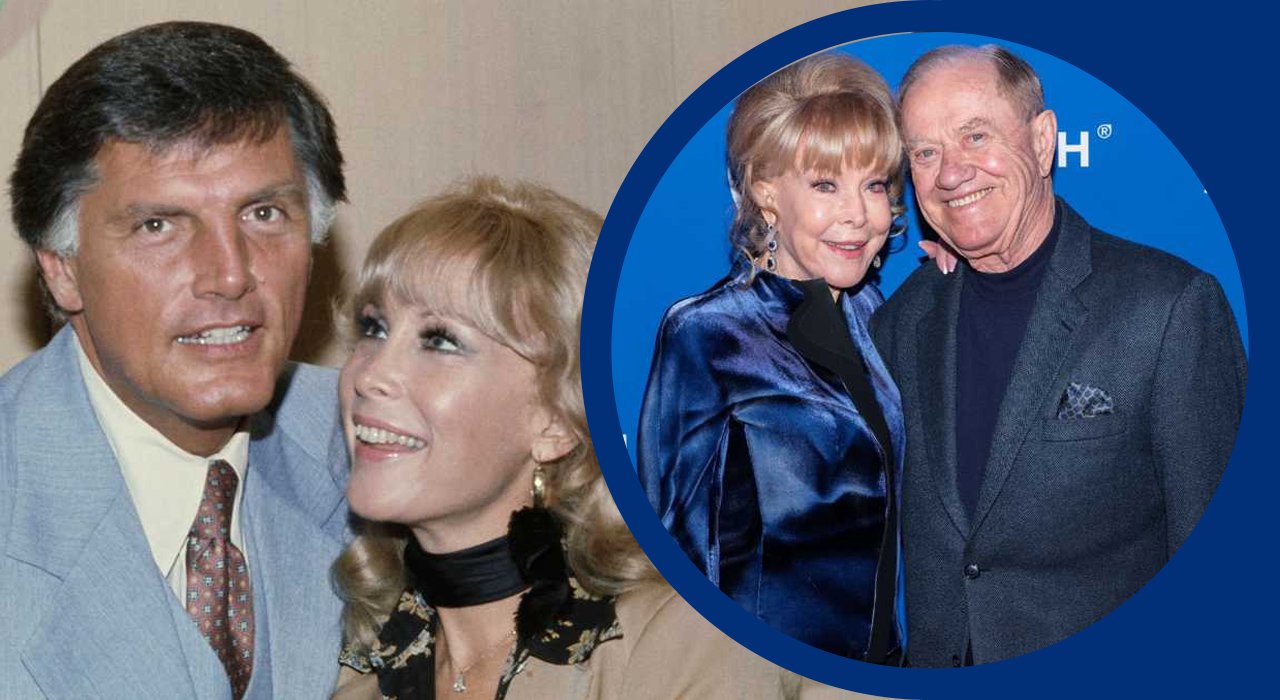
Charles Donald Fegert is best known as the second husband of Barbara Eden, the American actress celebrated for her career-defining role as the title character on the classic sitcom I Dream of Jeannie. Born in Chicago in 1930, Charles worked as an advertising executive, holding a senior position at the Chicago Sun-Times, when he married Barbara in 1977 following her earlier divorce from actor Michael Ansara. Their marriage, which lasted roughly five years before ending in divorce, was later described candidly by Barbara in her own memoir as a relationship that began with genuine promise before deteriorating amid struggles connected to substance use and instability. This article sets out the verified facts about his background, career, and the marriage that briefly connected him to one of American television’s most beloved actresses.
Quick Facts: Charles Donald Fegert Bio Table
| Detail | Information |
|---|---|
| Full name | Charles Donald Fegert |
| Born | 8 November 1930, Chicago, Illinois |
| Died | 25 September 2002, Chicago, Illinois |
| Occupation | Advertising executive, Chicago Sun-Times |
| Wife | Barbara Eden, actress |
| Marriage | 1977 |
| Divorce | Circa 1982–1983 |
| Parents | Charles “Moon” Fegert and Virginia A. Henold Coppinger |
Who Is Charles Donald Fegert?
Charles Donald Fegert was an American advertising executive best known as the second husband of Barbara Eden, the acclaimed actress whose starring role on I Dream of Jeannie made her one of the most recognisable television personalities of the 1960s and beyond. Born on 8 November 1930 in Chicago, Illinois, Charles built a career in advertising, eventually rising to a senior position as advertising chief at the Chicago Sun-Times, before marrying Barbara in 1977, several years after her earlier marriage to actor Michael Ansara had ended in divorce.
Their marriage lasted approximately five to six years before concluding in divorce around 1982 or 1983, a relationship that Barbara later described in considerable detail within her own 2011 memoir, Jeannie Out of the Bottle, offering a candid and specific account of both the marriage’s early promise and its eventual deterioration.
Early Life and Career
Charles Donald Fegert was born on 8 November 1930 in Chicago, Illinois, to parents Charles “Moon” Fegert and Virginia A. Henold Coppinger, and he had a brother, Craig Lewis Fegert, who predeceased him in 1980. Charles built his career within the advertising industry in Chicago, eventually rising to become advertising chief at the Chicago Sun-Times, a significant position within one of the city’s major newspapers that reflected considerable professional success within his chosen field.
This career in advertising and media placed Charles within Chicago’s business and media establishment well before his marriage to Barbara Eden, giving him an independent professional identity built entirely separate from the entertainment industry that had already made his future wife a household name through her role on I Dream of Jeannie.
A Chicago Advertising Career Predating Hollywood Connection
Charles’s rise to a senior advertising position at the Chicago Sun-Times represented genuine professional achievement within a competitive industry, one that had nothing to do with the entertainment world his marriage to Barbara would eventually connect him to, illustrating that he brought his own established career and professional identity into their relationship rather than any pre-existing connection to Hollywood.
Marriage to Barbara Eden
Barbara Eden has written candidly about meeting Charles in 1977, describing in her memoir that she was lonely at the time and found him handsome, intelligent, and initially loads of fun, reflections that offer a rare, direct, first-person account of the early stages of their relationship. The marriage coincided with a significant personal transition for Barbara, who relocated to a Chicago condominium for the marriage during the same period she lost custody of her twelve-year-old son, Matthew Ansara, to his father, adding considerable personal complexity to the early years of her relationship with Charles.
A Marriage That Deteriorated Amid Reported Struggles
According to Barbara’s own memoir account, Charles began running with a crowd involved in drinking and cocaine use as the marriage progressed, behaviour that she has said contributed to instability and, eventually, abusive dynamics within the relationship that led her to leave the marriage. Barbara has speculated in her writing that Charles’s own insecurity about being married to a well-known television star may have contributed to the infidelity and instability that ultimately characterised the later years of their marriage.
Barbara Eden: A Brief Background
To understand Charles’s connection to public attention, it helps to know a little about his former wife. Barbara Eden became one of American television’s most beloved performers through her starring role on I Dream of Jeannie, a sitcom that ran from 1965 to 1970 and remains one of the defining programmes of 1960s American television.
Why People Search for Charles Donald Fegert
Interest in Charles Donald Fegert typically arises among fans of Barbara Eden researching the actress’s personal history, particularly given her own candid and detailed account of their marriage published in her 2011 memoir, Jeannie Out of the Bottle. Because Charles’s own career and background have been documented through genealogical records alongside Barbara’s own retrospective writing, searches about him tend to focus on understanding both his professional life and the specific circumstances that led to the eventual end of their marriage.
A Marriage Documented Through a Memoir’s Candour
Unlike many of the other early or lesser-known spouses of celebrities, whose stories often remain almost entirely undocumented, Charles’s marriage to Barbara Eden benefits from an unusually detailed first-person account, since Barbara chose to write openly about the relationship’s arc within her own published memoir decades later. This kind of direct, first-person retrospective documentation, offered voluntarily by the celebrity spouse herself, provides considerably more insight into Charles’s own life and their relationship’s dynamics than exists for many comparable figures whose stories rely entirely on secondary reporting or brief factual records.
This distinction matters considerably when considering Charles’s place within the broader historical record, since Barbara’s own willingness to discuss the marriage’s difficulties candidly, including specific details about behaviour she attributed to Charles during their marriage, offers readers a fuller and more nuanced account than the bare facts of marriage and divorce dates alone could provide.
Understanding a Marriage’s Timing Within Barbara Eden’s Life
Charles’s marriage to Barbara took place during a genuinely difficult period in her personal life, coinciding with her loss of custody of her son from her first marriage, meaning their relationship began amid circumstances of considerable personal vulnerability and transition for Barbara herself. This context, drawn directly from her own memoir, helps explain both the initial appeal Charles held for her during a lonely period and the particular disappointment she has since described feeling as the marriage subsequently deteriorated.
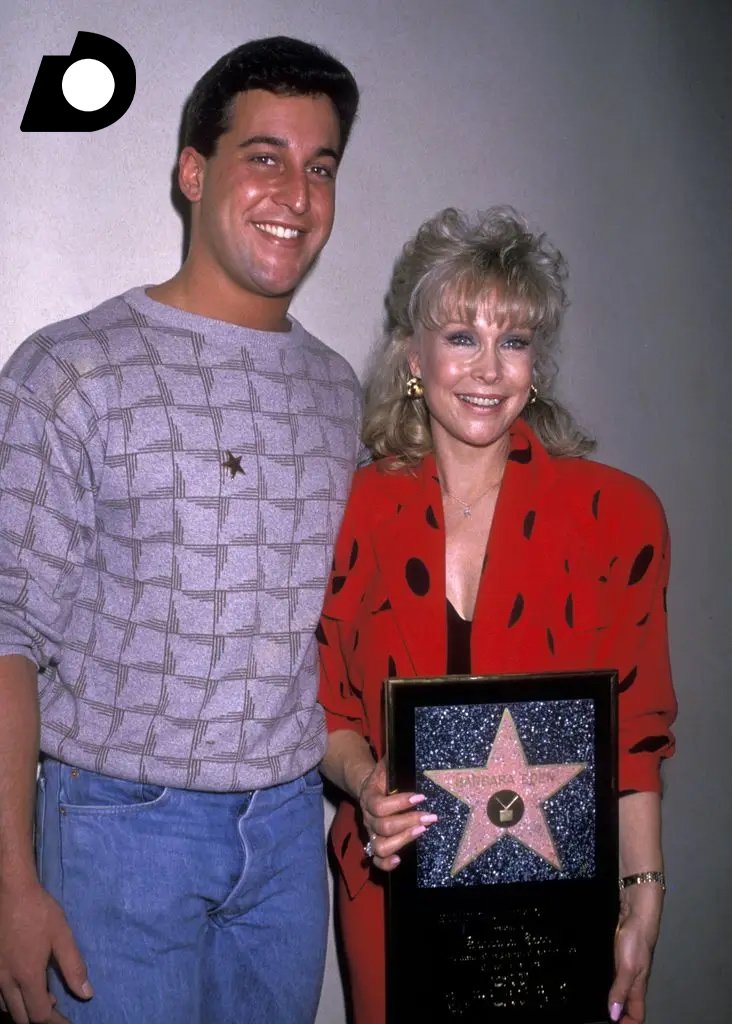
Understanding this timing provides useful context for appreciating the full arc of their relationship, from its hopeful beginning during a vulnerable period in Barbara’s life through to its eventual painful conclusion, a trajectory she has chosen to share candidly with readers of her own published account.
A Professional Life Distinct From Hollywood
Charles’s career within Chicago advertising, entirely separate from the entertainment industry, illustrates how Barbara’s marriages did not exclusively involve figures already embedded within Hollywood, distinguishing Charles’s own professional background from that of some other public figures connected to major celebrities. This kind of independent professional identity, built within an entirely different industry from his famous wife’s own career, offers a useful reminder that the spouses of major entertainment figures often bring genuinely separate professional lives and achievements into their relationships.
This distinction matters for understanding Charles as an individual with his own documented career success, rather than simply as a figure defined entirely through his connection to one of television’s most recognisable actresses.
What Genealogical Records Reveal Beyond the Memoir
Beyond Barbara Eden’s own retrospective account, genealogical records provide an additional layer of confirmation regarding Charles’s family background, identifying his parents as Charles “Moon” Fegert and Virginia A. Henold Coppinger, and documenting a brother, Craig Lewis Fegert, who died in 1980, several years before Charles’s own death in 2002. This kind of independent documentary confirmation, drawn from sources entirely separate from Barbara’s published writing, offers a useful cross-check on the basic facts of Charles’s life and family origins, reinforcing the picture of a man whose Chicago roots ran deep across multiple generations of his family.
Combining these genealogical details with Barbara’s own first-person account produces a more complete and reliable portrait of Charles than exists for many comparably obscure figures connected to major celebrities, since most such individuals leave behind only fragmentary public records with little corroborating detail from either official documentation or personal testimony.
Conclusion
Charles Donald Fegert’s story is defined by his marriage to Barbara Eden, beginning in 1977 during a personally difficult period in her life and ending in divorce roughly five years later amid reported struggles that she has since documented candidly in her own memoir. Born in Chicago in 1930, Charles built a genuine and independent career as an advertising executive, rising to a senior position at the Chicago Sun-Times before his marriage connected him briefly to one of American television’s most beloved performers.
His story, unusually well-documented compared with many similar figures thanks to Barbara’s own willingness to write candidly about their relationship, offers a fuller and more nuanced picture of a marriage’s complete arc, from genuine early promise through eventual difficulty and separation. Charles died in September 2002 in his native Chicago at the age of seventy-one.
Frequently Asked Questions
Who is Charles Donald Fegert?
Charles Donald Fegert was the second husband of actress Barbara Eden, whom he married in 1977, and an advertising executive at the Chicago Sun-Times.
When did Charles Donald Fegert and Barbara Eden divorce?
Their marriage ended in divorce around 1982 or 1983, after approximately five to six years together.
What did Charles Donald Fegert do for a living?
He worked in advertising, eventually becoming advertising chief at the Chicago Sun-Times in Chicago, Illinois.
Why did Charles Donald Fegert and Barbara Eden’s marriage end?
Barbara Eden has written in her memoir that the marriage deteriorated amid reported substance use and instability, which she said contributed to abusive dynamics that led her to leave.
When did Charles Donald Fegert die?
He died on 25 September 2002 in Chicago, Illinois, at the age of seventy-one.