
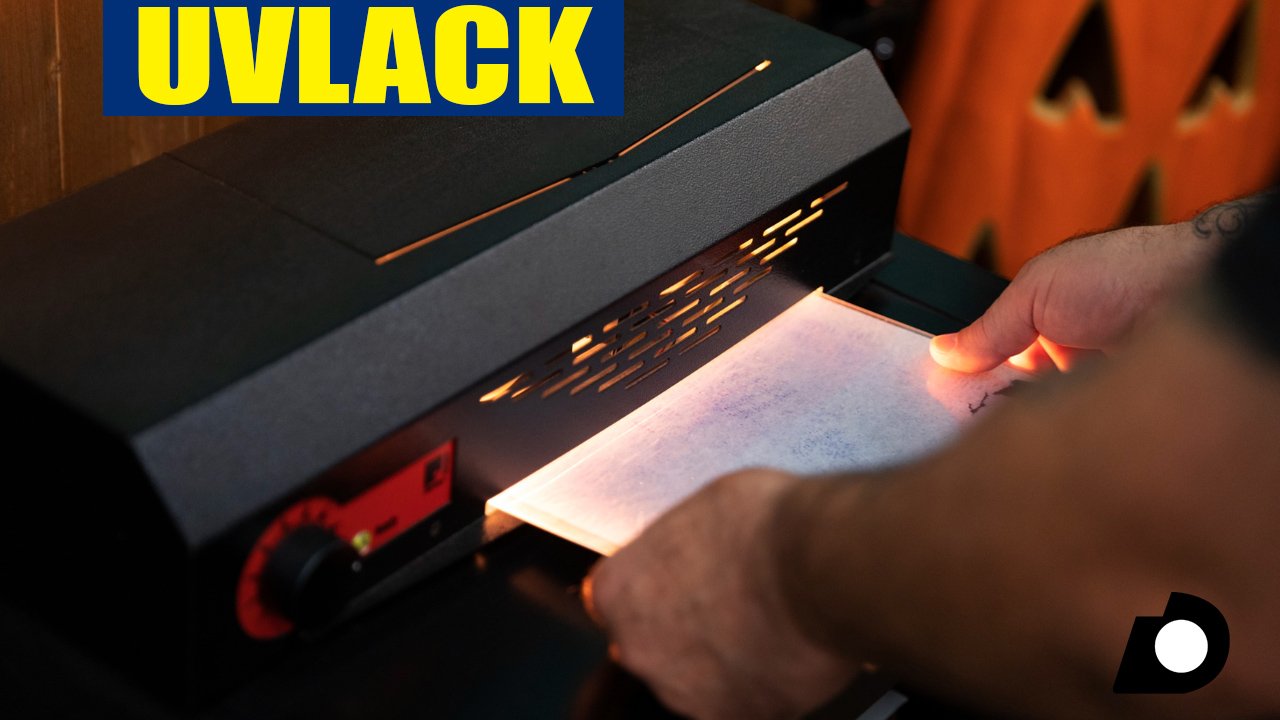
Uvlack, often known as UV coating or UV varnish, is a glossy protective layer that print shops apply to paper, cardboard, and other printed materials. If you have ever picked up a business card that felt slick and shiny, or noticed a book cover that seemed to glow under store lighting, you have probably touched a product finished with Uvlack. This coating does more than make printed pieces look good. It protects the surface from scratches, moisture, and everyday wear while giving colors extra depth and shine.
In this guide, we will explain what Uvlack actually is, how it works, the different types available, and why so many brands choose it for packaging, marketing materials, and publishing. We will also cover the drawbacks, compare it with other popular coatings, and share tips for picking the right finish for your next project.
What Is Uvlack?
The term Uvlack comes from combining “UV” (ultraviolet) with “Lack,” the German word for varnish or lacquer. In English speaking print shops, the same product is usually called UV coating or UV varnish. Whatever name you use, it refers to a clear liquid coating applied to a printed surface and then hardened almost instantly using ultraviolet light.
Unlike ink, Uvlack does not add color or design. Instead, it sits on top of the printed image like a protective shield. Once the UV light hits the wet coating, a chemical reaction called cross linking happens. The liquid turns solid within seconds, creating a smooth, durable layer that can range from a soft matte texture to a bright, mirror like gloss.
Print shops use Uvlack on many everyday items, including business cards, book covers, product packaging, greeting cards, and brochures. It is popular because it gives printed materials a more expensive, polished feel without requiring a long drying time.
How Does Uvlack Work?
The science behind Uvlack is fairly simple once you break it down. The coating itself contains acrylic resins, photoinitiators, and reactive monomers. These ingredients stay in liquid form until they are exposed to ultraviolet light.
Here is the general process a print shop follows.
- The printed sheet passes through a coating unit, where rollers or a silkscreen apply a thin, even layer of liquid Uvlack.
- The coated sheet moves under a UV lamp.
- The UV light triggers a rapid chemical reaction, causing the coating to harden in a matter of seconds.
- The finished piece comes out dry, protected, and ready for cutting, folding, or shipping.
Because curing happens almost instantly, Uvlack speeds up production. Traditional coatings that dry through evaporation can take much longer, which slows down large printing jobs. This fast curing time is one of the biggest reasons commercial printers rely on Uvlack for high volume projects.
Types of Uvlack Coating
Not all Uvlack finishes look or feel the same. Print shops usually offer a few different options depending on the coverage area and the finish you want.
Coverage: Full Coating vs Spot Coating
Full or flood coating covers the entire surface of the printed piece. This is common on book covers, postcards, and packaging that needs complete protection from moisture and handling.
Spot Uvlack only covers specific parts of the design, such as a logo, a headline, or an image. This creates contrast between the shiny coated area and the rest of the page, drawing the eye toward the highlighted section. Spot Uvlack is a favorite technique for business cards and premium brochures because it adds a subtle, high end touch without covering the whole piece.
Finish: Gloss, Matte, Satin, and Textured
Gloss Uvlack creates a bright, reflective shine that makes colors look richer and more vibrant. It is the most common choice for packaging that needs to stand out on a shelf.
Matte Uvlack offers a soft, non reflective surface. It feels smooth to the touch and gives a more subtle, sophisticated look, though it can show fingerprints more easily than gloss.
Satin Uvlack sits between gloss and matte, offering a gentle sheen without heavy glare.
Textured Uvlack adds a tactile element, such as raised patterns or a soft touch feel, giving the printed piece a unique sensory quality.
Some print shops also offer specialty effects like glitter, pearlescent shine, or wrinkled textures, though these are less common and usually reserved for high budget packaging projects.
Key Benefits of Uvlack
Uvlack has become a go to choice for brands and printers for several good reasons.
It protects printed materials. The hardened coating shields paper and cardboard from scratches, fingerprints, and moisture. This is especially useful for packaging that travels through shipping and handling before it ever reaches a customer.
It improves visual appeal. Because the coating adds shine and depth, colors appear more vivid and the overall design looks more polished. This can make a real difference for brands trying to stand out on a crowded store shelf.
It dries almost instantly. Since the curing process only takes seconds under UV light, printers can move through production faster than they could with coatings that dry through evaporation. This shortens turnaround times and lowers labor costs on large print runs.
It holds up well over time. Compared to some other coatings, Uvlack resists scuffing and wear better, which means printed materials stay looking fresh even after repeated handling.
It works with low emissions. Many modern Uvlack formulas produce very low levels of volatile organic compounds, making them a somewhat cleaner option compared to older solvent based coatings.
Possible Drawbacks of Uvlack
No coating is perfect, and Uvlack does have a few downsides worth knowing before you choose it for a project.
Higher cost. Uvlack usually costs more than basic varnish or aqueous coating. The specialized equipment and curing lamps needed to apply it add to the overall price.
Limited flexibility. Because the cured coating is quite rigid, it can crack along folds or creases. This makes it a poor choice for materials that need to bend or fold sharply, such as certain types of packaging inserts.
Special equipment required. Not every print shop has UV curing equipment, so Uvlack projects sometimes require working with a specialized vendor.
Chemical sensitivity. Certain ink colors can react poorly with UV coating, sometimes causing a slight discoloration or a burning effect on the printed surface. A good printer will test this ahead of time to avoid surprises.
Uvlack vs Other Popular Coatings
If you are choosing a finish for your next print project, it helps to know how Uvlack compares to the other common options.
Uvlack vs Varnish. Varnish is a clear coating applied during the printing process, and it comes in similar finishes like gloss, matte, and satin. It is generally the most budget friendly option and works well for text heavy designs. However, it does not offer the same shine or durability as Uvlack, and it is applied differently, without the instant UV curing step.
Uvlack vs Aqueous Coating. Aqueous coating is a water based finish applied after printing and dried quickly with hot air rather than UV light. It is often seen as a more eco friendly choice and costs less than Uvlack. Aqueous coating also offers useful specialty options, such as dry erase or soft touch surfaces. That said, it typically does not match the glossy intensity or scratch resistance that Uvlack provides.
Uvlack vs Lamination. Lamination involves applying a thin plastic film to a printed surface rather than a liquid coating. It offers strong protection and a smooth finish, and it tends to be more flexible than Uvlack, making it a better option for pieces that need to fold. However, lamination usually costs more and takes longer to apply than a quick UV cure.
In short, Uvlack tends to win when a project needs maximum shine, fast turnaround, and strong scratch resistance. Varnish and aqueous coating are better choices when budget or eco friendliness matter more than a glossy finish.
Where Is Uvlack Used?
Uvlack shows up across many industries because it works well on a wide range of printed materials.
Packaging. Cosmetic boxes, food cartons, and product packaging often use Uvlack to create a premium, eye catching look on store shelves.
Publishing. Book covers frequently use spot Uvlack to highlight the title or cover art, giving the book a more polished, professional appearance.
Marketing materials. Business cards, brochures, and postcards use Uvlack to leave a strong first impression and make printed pieces feel more memorable.
Retail and online shopping. Packaging for products shipped through the mail benefits from the added protection Uvlack provides during transit.
Luxury goods. Jewelry boxes, wine labels, and high end product packaging often rely on Uvlack to convey quality and craftsmanship.
Uvlack Cost Considerations
Uvlack usually costs more upfront than varnish or aqueous coating, mainly because of the specialized equipment and UV lamps involved in the process. That said, many businesses find the investment worthwhile.
The durability of Uvlack means printed materials last longer and need to be replaced less often. The instant curing process also speeds up production, which can lower labor costs on large orders. For brands trying to stand out with a premium look, the extra shine and polish that Uvlack provides can support higher price points and stronger brand perception, which often makes up for the higher initial cost.
Is Uvlack Environmentally Friendly?
Many people assume glossy coatings are automatically bad for the environment, but the picture is more mixed than that. Modern Uvlack formulas tend to release very low levels of volatile organic compounds during curing, which is an improvement over older solvent based coatings that released more fumes as they dried. Because the coating cures instantly under UV light rather than evaporating, less energy is wasted on long drying cycles.
That said, Uvlack coated paper can be harder to recycle than uncoated paper, since the hardened layer does not break down as easily during the pulping process. If sustainability is a top priority for your brand, it is worth asking your printer whether they offer a recyclable or water based version of the coating, and whether the base paper stock itself is sourced responsibly.
Tips for Choosing the Right Uvlack Finish
If you are planning a print project and considering Uvlack, keep these points in mind.
Think about how the piece will be used. If it needs to fold or bend, a more flexible coating like lamination or a light varnish might work better than a full Uvlack layer.
Consider your budget. Spot Uvlack on key design elements can give you a similar visual impact to full coverage while keeping costs lower.
Talk to your printer about ink compatibility. Some colors react differently under UV light, so it helps to run a test before committing to a full print run.
Match the finish to your brand. Gloss Uvlack suits bold, vibrant designs, while matte or satin finishes work well for brands going for a more understated, elegant look.
Conclusion
Uvlack, better known in English as UV coating or UV varnish, gives printed materials a protective, glossy finish that is hard to match with other coating methods. From business cards to product packaging, this fast curing coating helps brands create a more polished, durable, and eye catching final product. While it costs more than basic varnish or aqueous coating and works best on flat, non folding surfaces, its shine, speed, and scratch resistance make it a popular choice across the printing industry. Whether you are designing packaging, a book cover, or a marketing piece, understanding how Uvlack works can help you choose the right finish and get the results you want.
Frequently Asked Questions
What does Uvlack mean?
Uvlack combines “UV” with the German word “Lack,” meaning varnish. It refers to UV coating, a clear liquid finish that hardens instantly under ultraviolet light.
Is Uvlack the same as varnish?
Not exactly. Both are clear protective coatings, but Uvlack cures instantly under UV light and offers more shine and durability, while regular varnish dries through evaporation and tends to cost less.
Does Uvlack work on all types of paper?
Uvlack works best on smooth, coated paper and cardboard. It does not adhere well to very absorbent or uncoated stock, so it is best to check with your printer first.
Can Uvlack crack or peel?
Yes, if the coated material is folded or bent sharply, the rigid coating can crack along the crease. For items that need to fold, a more flexible finish is often a better choice.
Is Uvlack expensive compared to other coatings?
Yes, Uvlack usually costs more than varnish or aqueous coating because it requires specialized UV curing equipment, but its durability and quick production time often offset the higher price.