
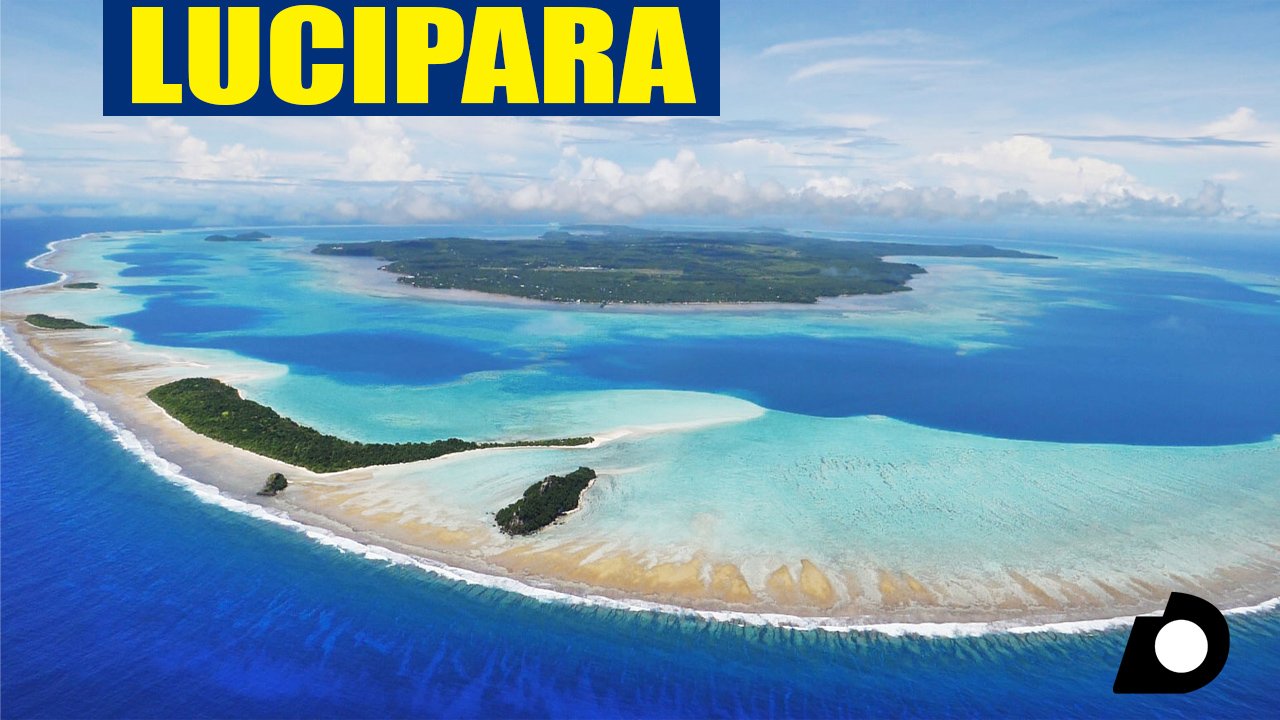
Lucipara is one of Indonesia’s most remote and least visited island groups, tucked into the open waters of the Banda Sea. Most travelers have never heard the name, and that is part of what makes it special. No road leads here, no airport serves the area, and the only way in is by boat. Yet the divers, marine biologists, and conservationists who have made the trip describe Lucipara as one of the healthiest coral ecosystems left in Southeast Asia. This guide covers everything you need to know before visiting the Lucipara Islands, including where they sit on the map, what lives beneath the surface, when to go, and how to actually get there.
Where Are the Lucipara Islands?
The Lucipara Islands sit in the Banda Sea, part of Maluku Province in eastern Indonesia. Administratively, they fall under the Seram Bagian Barat (West Seram) district. Their coordinates place them at roughly 5.49 degrees south and 127.54 degrees east, about 200 kilometers south of Ambon, the provincial capital, and around 100 nautical miles from Rhun Island, the nearest inhabited community in the Banda Islands.
The group is a small cluster of low lying islands and reef flats rather than one large landmass. Sources describe the area in slightly different ways. Some group the islands as the Maisel Islands, including Pulau Selatan, Pulau Kaurangka, and Pulau Mai. Other surveys count up to seven islets split between the Penyu Island group and the Maisel Island group. Whichever grouping you read, the islands share the same character: tiny, sandy, ringed by coral, and surrounded by deep open ocean on every side.
You may also see the name spelled Lousapara, Lucapin, Lusipari, or the older colonial spelling Lucepara. Pulau Mai holds a small lighthouse staffed by maritime officers who rotate on duty every three months, and it remains the only regular human presence on the islands.
Lucipara also sits within the Coral Triangle, the region stretching across Indonesia, the Philippines, and parts of the western Pacific that holds the highest coral and reef fish diversity on the planet. That location alone explains a great deal about why the marine life here is so rich, even though the islands themselves are tiny and largely unknown outside diving circles.
A Short History of Lucipara
Lucipara has stayed largely out of the historical record, which fits its reputation as one of Indonesia’s overlooked corners. One of the earliest written mentions comes from Edmund Roberts, an American diplomat who passed through the region and noted the islands as “Lucepara” in his 1832 journal.
No community has ever settled here permanently. Fishermen and coconut harvesters from nearby islands visit seasonally, and the lighthouse keepers on Mai Island are the closest thing the islands have to residents. That isolation is a big reason the surrounding reefs have stayed in such good condition compared with more accessible parts of Indonesia.
Why Lucipara Is Worth Knowing About
Marine surveys of Lucipara consistently turn up numbers that surprise even experienced researchers. Divers have recorded wall dives with dramatic overhangs, soft and black corals, barrel sponges, and large sea fans. Reef condition ranges from fair to excellent depending on the site, and researchers who visited in November 2019 reported no signs of coral bleaching, a rare and encouraging finding anywhere in the tropics today.
The fish life matches the coral. Napoleon wrasse, a species that has grown rare across much of Southeast Asia due to overfishing, still turns up regularly here, along with red emperor, large trevally, and huge schools of unicornfish and surgeonfish along the walls. Hammerhead sharks and sea snakes are common sightings, and open water passes bring in tuna, jacks, and rays.
Sea turtles may be the single biggest draw. Surveys around Lucipara have recorded more than 1,100 turtles in a single trip, mostly green and hawksbill turtles with some loggerheads mixed in, making these beaches one of the more important turtle nesting grounds in the Banda Sea. Seabirds nest here too, including lesser frigatebirds and red footed boobies, which play an unexpected role in the local food web. When the birds drive schools of flying fish to the surface to feed, and when their droppings feed nutrients back into the water, the surrounding reef fish populations benefit directly.
Perhaps the most remarkable sightings come from farther offshore. Researchers traveling south from Ambon toward Lucipara have counted as many as ten or eleven blue whales in a single journey, feeding near seamounts and fish aggregating devices at depths of around 300 meters. The deep sea features nearby, including seamounts, submarine canyons, and trenches, appear to give whales and other large marine life a natural corridor through this part of the Banda Sea.
Diving in Lucipara: What You Will See Underwater
Diving at Lucipara is not the easy, shallow reef diving you might find at a resort destination. Expect steep drop offs, strong currents, and open ocean conditions, which is exactly what draws in the big pelagic species. Because there is no dive resort, dive shop, or shore access anywhere in the group, every dive here happens from a liveaboard boat anchored offshore.
Visibility tends to be excellent thanks to the remote, undisturbed location, and the currents that make diving here challenging are the same currents that feed the reef and attract schooling fish. Given the currents and the distance from medical help, this destination suits confident, experienced divers rather than beginners. Many liveaboard operators ask for advanced certification and a solid number of logged dives before booking a Banda Sea and Lucipara itinerary.
Night dives and snorkel sessions around the shallower reef flats add a calmer contrast to the wall dives, and they are often where guests spot the highest numbers of turtles resting or feeding close to shore. Crew members who know the area well can also read the currents at each site and choose entry points that keep the dive manageable while still putting divers in the path of passing pelagic life.
Best Time to Visit Lucipara
Timing matters more here than almost anywhere else in Indonesia. The region experiences two monsoon seasons: the northwest monsoon from December through March, which brings wetter weather, and the southeast monsoon from June through September, which is drier but often windier at sea. Both seasons can bring rough water to the open crossing toward Lucipara.
The best window falls during the intermonsoon transition periods, from April to May and again from mid September through November. During these weeks, the sea tends to calm down and the skies clear up, making the long open water crossing safer and far more comfortable. Most liveaboard operators only run Lucipara itineraries during these transition windows, so the destination effectively has a short season each year rather than being open year round.
How to Get to the Lucipara Islands
Getting to Lucipara takes planning, since there is no airport, ferry terminal, or public transportation option anywhere near the islands. Here is how a typical trip comes together.
First, fly into Ambon. Pattimura Airport in Ambon is the main gateway to Maluku Province and connects to domestic flights from Jakarta, Makassar, and other major Indonesian hubs.
From Ambon, you board a liveaboard dive boat, since this is the only practical way to reach Lucipara. The open water crossing covers roughly 200 kilometers and takes about 15 hours by boat.
Most trips do not visit Lucipara alone. Operators typically build an itinerary that combines Lucipara with the nearby Banda Islands, and sometimes extends further to Maumere in Flores or Kaimana in West Papua as a starting or ending port. A full itinerary usually runs 10 to 11 nights and includes 30 or more dives across the region.
Because only a small number of liveaboard operators run this specific route, and only during the narrow weather window each year, it pays to book several months in advance. Spaces fill quickly among divers who specifically seek out remote, less crowded destinations.
Conservation Efforts Protecting Lucipara
Lucipara’s isolation has protected it so far, but growing interest in the region has pushed local authorities and conservation groups to formalize that protection.
In 2018, the Maluku provincial government designated the area as a marine conservation zone in its spatial plan, covering roughly 388,712 hectares of ocean. In April 2021, the Coral Triangle Center sent a team to conduct ecological groundwork surveys using the manta tow method, gathering the reef condition data needed to support formal protection.
That work led to a bigger step in March 2026, when the Maluku Marine Affairs and Fisheries Department, the Coral Triangle Center, and Yayasan Konservasi Alam Nusantara formed a consortium to establish a full marine protected area at Lucipara. Their roadmap runs through 2028 and covers consortium building, formal MPA designation, institutional capacity building, sustainable funding, outreach, and partnership development. Maluku Governor Hendrik Lewerissa has said he wants Lucipara to become a premier marine tourism destination managed with the same rigor as the Tubbataha Reefs Natural Park in the Philippines, one of the best known marine protected areas in Southeast Asia.
The urgency is real. Destructive fishing practices, including blast fishing, remain the biggest threat to the reefs here, since they wipe out fish stocks and physically destroy coral structures. Marine debris is a growing secondary concern, with visitors reporting trash washing up on the same beaches that sea turtles use for nesting.
Formal protection matters because Lucipara does not exist in isolation. The seamounts, canyons, and open water corridors around the islands connect to wider migration routes used by whales, sharks, and turtles across the Banda Sea. Protecting this one stretch of ocean supports marine life far beyond the boundaries of the islands themselves, which is part of why regional conservation groups have prioritized it.
Tips for Visiting Lucipara Responsibly
A trip to Lucipara asks more of travelers than a standard beach holiday, so a bit of preparation goes a long way.
Choose a liveaboard operator with real experience on Banda Sea crossings, and confirm they carry proper safety equipment, since you will be far from any hospital or rescue service for most of the trip.
Pack reef safe sunscreen and avoid touching coral or collecting shells, eggs, or any marine life as souvenirs. Bring enough cash for tips and onboard extras, since there are no shops, ATMs, or phone signal once you leave Ambon.
Build up your fitness and comfort in open water before you go, since currents here run stronger than at typical resort dive sites. If your crew organizes a beach cleanup during the trip, consider joining in, since marine debris is one of the biggest threats facing the turtle nesting sites on these islands.
Finally, remember that fishermen and lighthouse keepers use these waters for their livelihoods. Treat the islands as a shared, working place rather than only a tourist attraction.
Conclusion
Lucipara remains one of the last near pristine corners of Indonesia’s underwater world, and reaching it takes real commitment: a flight to Ambon, a full day at sea, and a trip planned around a narrow weather window each year. The reward for that effort is healthy coral that has largely escaped bleaching, big fish that have disappeared from busier reefs, more than a thousand sea turtles in a single survey, and even the occasional blue whale offshore. With Maluku’s provincial government, the Coral Triangle Center, and YKAN now working toward formal marine protection through 2028, Lucipara is likely to become better known in the coming years. Visiting now, while it still feels genuinely remote, is a rare chance to see the Banda Sea the way it looked before mass tourism ever arrived.
Frequently Asked Questions
Where is Lucipara located?
Lucipara sits in the Banda Sea in Maluku Province, Indonesia, about 200 kilometers south of Ambon. It belongs to the Seram Bagian Barat district and lies far from any other populated island.
How do you get to the Lucipara Islands?
You fly into Ambon first, then board a liveaboard dive boat for the roughly 15 hour crossing. There is no airport, ferry, or other public transport option that reaches Lucipara directly.
Is Lucipara good for diving?
Yes. Divers come for wall dives, healthy coral, hammerhead sharks, Napoleon wrasse, and large numbers of sea turtles. Strong currents make it better suited to experienced divers than beginners.
When is the best time to visit Lucipara?
The calmest weather falls during the intermonsoon periods, from April to May and again from mid September through November. Most liveaboard trips only run during these windows.
Can you stay overnight on the Lucipara Islands?
No. There is no accommodation on land, only a small staffed lighthouse on Mai Island. All visitors stay aboard their liveaboard boat for the duration of the trip.