
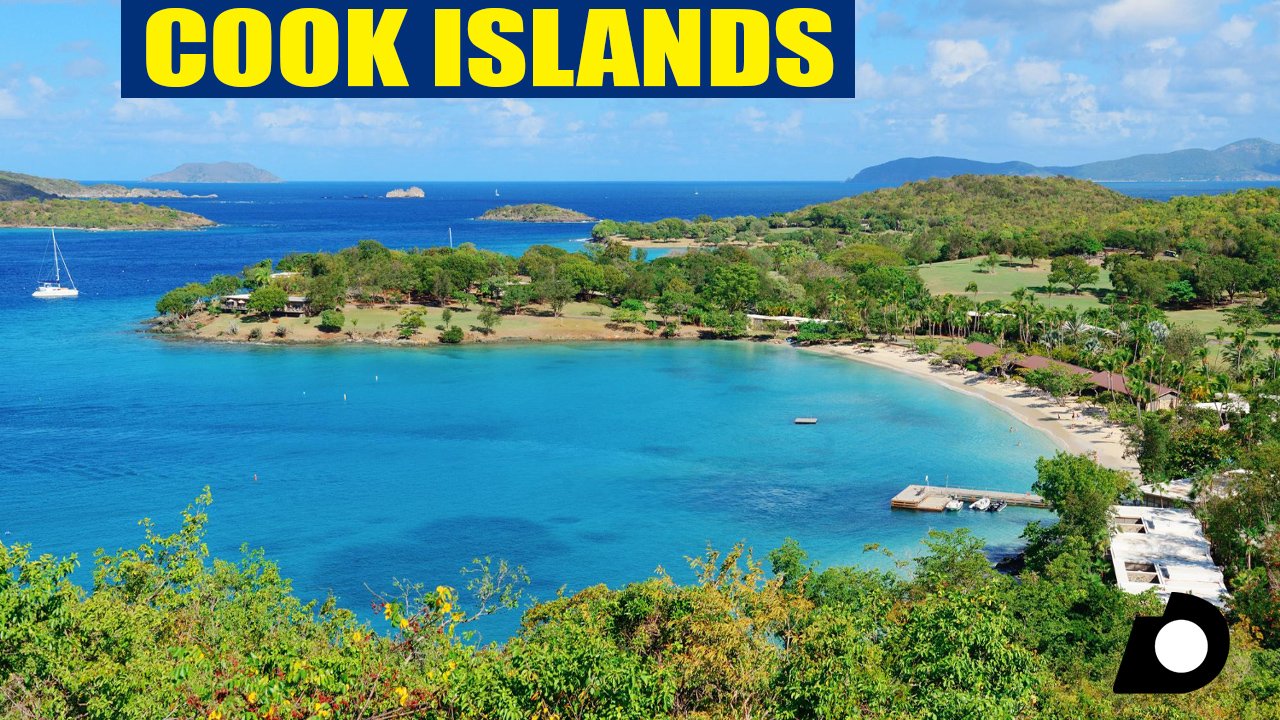
Cook Islands is one of the last true untouched corners of the South Pacific, and it deserves a spot on every traveler’s list. This small nation of fifteen islands sits between New Zealand and French Polynesia, and it offers turquoise lagoons, warm local culture, and a pace of life that feels far removed from the busy modern world. Whether you are planning a honeymoon, a family trip, or a quiet solo escape, this guide covers everything you need to know before you book your flight.
What Are the Cook Islands
The Cook Islands are a self-governing nation made up of fifteen islands scattered across roughly 1.8 million square kilometers of ocean, even though the total land area is only about 240 square kilometers. The country is in free association with New Zealand, which means it runs its own government and foreign relations while still sharing close ties with New Zealand for defense and citizenship. Every Cook Islander is automatically a New Zealand citizen, and many live abroad in New Zealand and Australia.
The islands are split into two groups. The southern group includes Rarotonga, Aitutaki, Mangaia, and several other volcanic islands with rich soil and dramatic mountain peaks. The northern group is made up of low lying coral atolls that are far more remote and see very few visitors. Most travelers only visit the southern group, since it holds the airport, the resorts, and the majority of the population.
The capital is Avarua, a small town on the island of Rarotonga. It holds the parliament buildings, the main market, banks, and most government offices, though it feels more like a relaxed village than a capital city. The population of the entire country is around 15,000 people, and most of them live on Rarotonga.
Where the Cook Islands Are Located
The Cook Islands sit in the South Pacific Ocean, roughly midway between Hawaii and New Zealand, and just west of French Polynesia. Rarotonga, the main island, is a volcanic island ringed by a coral reef, which creates calm lagoons perfect for swimming and snorkeling close to shore. Aitutaki, the second most visited island, is famous for one of the most beautiful lagoons in the world, filled with small sandy islets known as motu.
Because the country covers such a wide stretch of ocean, travel between the northern and southern island groups takes real planning and time. Most people visiting for the first time stick to Rarotonga and Aitutaki, since flights connect them easily and both offer plenty to see and do.
Best Time to Visit the Cook Islands
The Cook Islands enjoy warm weather nearly all year, so there is no truly bad time to visit. That said, the country has a dry season and a wet season, and each one shapes your trip differently.
The dry season runs from April through November and lines up with winter in New Zealand and Australia. Temperatures during this time sit around 75 to 82 degrees Fahrenheit, humidity stays low, and rain is minimal. This season is the most popular time to travel, especially July and August, so book flights and accommodation several months ahead if you plan to visit then. September and October offer nearly the same great weather with smaller crowds and slightly better prices, which makes them a smart choice for travelers who want good conditions without the peak season rush.
The wet season runs from November through March. Rain is more frequent, humidity rises, and this period also falls within the Pacific cyclone zone, so travel insurance is worth considering if you visit during these months. On the plus side, prices drop and the islands feel far less crowded.
If you enjoy specific activities, timing matters even more. Whale watching season runs from July through October, when humpback whales pass near the islands and can sometimes be spotted from the shore. Kite surfing conditions are best from May to October thanks to steady trade winds, and Aitutaki is considered one of the best kite surfing spots on the planet. Scuba diving is good year round, but visibility tends to be clearer during the dry winter months.
Getting to the Cook Islands
Rarotonga International Airport is the main gateway into the country, and nearly every visitor arrives here first. Direct flights connect Rarotonga to Auckland, and seasonal or regular flights also run from Sydney and Los Angeles, depending on the airline and time of year. Once you land on Rarotonga, the domestic airline Air Rarotonga handles flights to other islands, including the short hop to Aitutaki, which takes less than an hour.
There are no traffic lights anywhere in the Cook Islands, and Rarotonga itself can be circled by car in about 40 minutes. Renting a scooter or small car is a popular way to get around, and local buses also circle the island in both directions throughout the day.
Top Islands to Visit
Rarotonga
Rarotonga is the largest island and the one nearly every trip begins on. It combines a lush, mountainous interior with a reef lined coast, so you get jungle hikes and beach days in the same short drive. Muri Beach on the east coast is one of the most popular spots, with calm lagoon water, small motu just offshore, and easy access to snorkeling tours. The cross island track is a well known hike that cuts through the rainforest and connects the north and south coasts in a few hours, rewarding hikers with views of the Needle, a sharp volcanic rock formation near the island’s center.
The Punanga Nui Market in Avarua is worth a visit on Saturday mornings, when local vendors sell fresh produce, handicrafts, and island food. It gives visitors a real look at daily life and local culture that resorts alone cannot offer.
Aitutaki
Aitutaki holds one of the most photographed lagoons in the South Pacific, and most people agree it lives up to the hype. The water shifts through shades of blue and green depending on the depth, and small uninhabited islets sit scattered across the lagoon. A lagoon cruise is the classic way to experience Aitutaki, usually including snorkeling stops, a visit to One Foot Island, and a fresh seafood lunch cooked right on the boat.
Many visitors choose to fly over from Rarotonga for a day trip, though staying two or three nights allows more time to relax and explore without rushing back to catch a flight.
The Outer Islands
Beyond Rarotonga and Aitutaki, islands like Mangaia, Atiu, and the far northern atolls see very few tourists. These islands offer a glimpse of a much quieter, more traditional way of life, along with unique features like Atiu’s limestone caves. Getting to these islands takes more effort and planning, so they suit travelers who already have some Pacific island experience and want to go further off the beaten path.
Things to Do in the Cook Islands
The Cook Islands reward travelers who like a mix of relaxation and activity. Snorkeling and diving are excellent thanks to healthy coral reefs, colorful fish, sea turtles, and reef sharks. Many dive shops on Rarotonga offer courses for beginners as well as trips for certified divers.
Lagoon cruises, whether on Rarotonga or Aitutaki, combine swimming, snorkeling, and a chance to see the outer motu up close. Hiking the cross island track on Rarotonga is a highlight for anyone who wants a physical challenge along with rainforest scenery. Cultural shows featuring traditional dance and drumming happen regularly on Rarotonga and give visitors insight into Polynesian traditions passed down for generations.
For a slower pace, simply spending an afternoon at Muri Beach or Aitutaki’s lagoon, kayak in hand, captures what many people come to the Cook Islands for in the first place. Sunday remains an important day of rest and worship across the islands, and many shops close, so it is worth planning around this if you need to run errands.
Where to Stay
Accommodation on Rarotonga ranges from budget guesthouses to upscale beachfront resorts, most of them concentrated along the west and south coasts near the airport and Muri Beach. Aitutaki has fewer options overall, but its resorts and overwater style bungalows are popular with honeymooners, so booking ahead during peak months is important.
Self contained villas and smaller family run guesthouses give a more local feel and often cost less than the larger resorts, while still putting you close to the beach and main attractions.
Food and Culture in the Cook Islands
Cook Islands cuisine leans heavily on fresh seafood, root vegetables, and tropical fruit. Ika mata, a raw fish dish marinated in coconut milk and lime, is a local favorite and a great introduction to island flavors. Umukai, a traditional feast cooked in an underground oven, is often served at cultural events and hotel dinners, featuring pork, chicken, taro, and other vegetables slow cooked until tender.
Christianity plays a large role in daily life, and Sunday church services often include beautiful choir singing that visitors are welcome to attend. Respecting local customs, dressing modestly when visiting villages or churches, and greeting people warmly go a long way in a place where community and hospitality matter deeply.
Money, Language, and Practical Tips
The official currency is the New Zealand dollar, though the Cook Islands also mint their own coins and notes for local use. These local notes cannot be spent outside the country, so it makes sense to spend or exchange them before you leave. Credit cards are accepted at most resorts and larger shops, but smaller local businesses and markets often prefer cash.
English is spoken everywhere and works well for travelers, though Cook Islands Maori is the other official language and you will hear it used often between locals. A simple greeting like kia orana, meaning hello, is appreciated by residents and easy to pick up.
The Cook Islands run on GMT minus 10, and the electrical voltage matches Australia at 220 volts, so bring the right adapter if you are traveling from the United States.
Safety and Health
The Cook Islands are considered a safe destination for travelers, with low crime rates and a welcoming population. Basic health precautions still apply, such as staying hydrated, using reef safe sunscreen, and taking care with sun exposure given the strong tropical UV levels. Medical facilities on Rarotonga can handle common issues, but serious medical needs may require evacuation to New Zealand, so travel insurance that covers medical care is strongly recommended, especially if you plan to dive or visit during cyclone season.
Conclusion
The Cook Islands offer a rare combination of natural beauty, warm culture, and a slower pace of life that is becoming harder to find elsewhere in the Pacific. From the lush trails and reefs of Rarotonga to the postcard perfect lagoon of Aitutaki, there is something here for every type of traveler. Plan around the dry season for the best weather, give yourself at least five to seven days to enjoy both main islands, and come ready to slow down and soak in the island rhythm. Once you visit, it is easy to understand why so many travelers call the Cook Islands one of the best kept secrets in the South Pacific.
Frequently Asked Questions
1. What language do people speak in the Cook Islands?
English and Cook Islands Maori are both official languages, and nearly everyone speaks English, so communication is easy for visitors.
2. What currency should I bring to the Cook Islands?
The New Zealand dollar is the main currency used, alongside locally minted Cook Islands coins and notes that only work within the country.
3. How many days do I need in the Cook Islands?
Most travelers enjoy five to seven days, which allows time to explore Rarotonga fully and add a short trip to Aitutaki.
4. Is it safe to travel to the Cook Islands?
Yes, the Cook Islands have low crime rates and a friendly local population, making them a safe choice for solo travelers, couples, and families alike.
5. When is the best time to see whales in the Cook Islands?
Humpback whales pass through the islands between July and October, making these months the best window for whale watching.