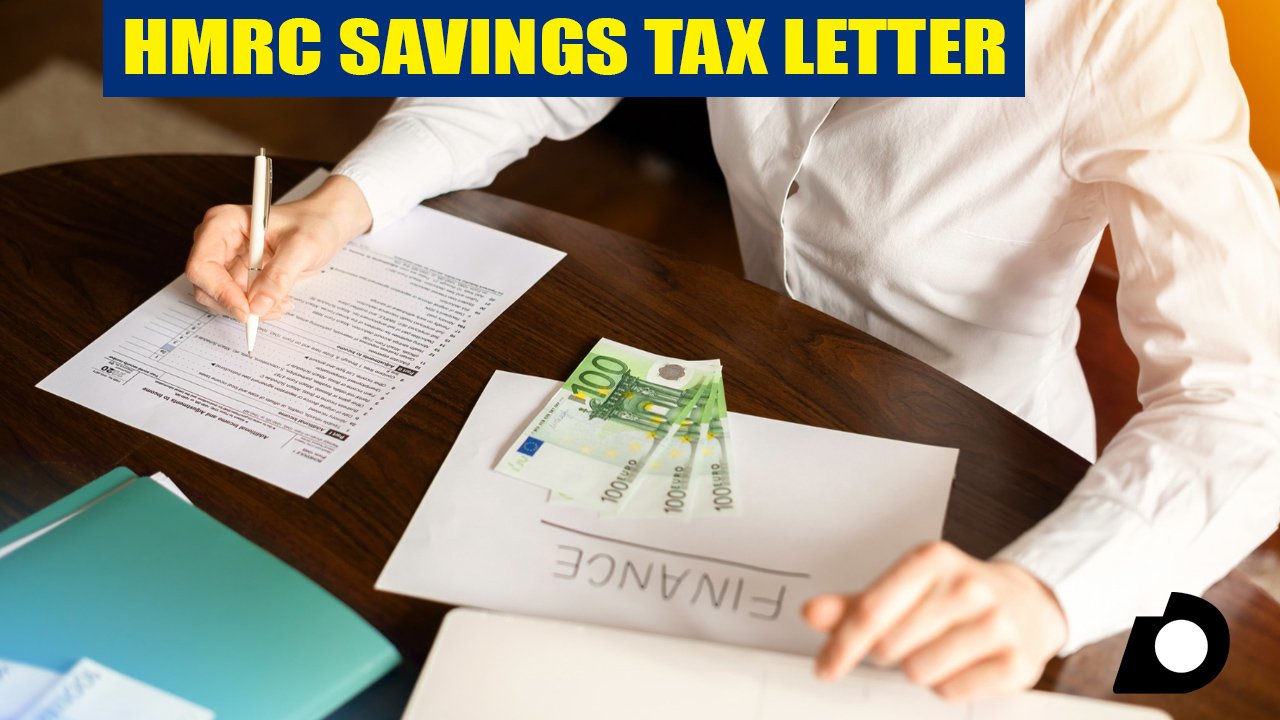
An HMRC Savings Tax Letter can feel stressful when it lands in your mailbox or your online tax account. You may have saved money carefully, so a message about tax on your interest can come as a shock. The good news is that these letters are common, and most people can sort them out in less than an hour.
This guide explains what the letter means, why HMRC sent it, and how to check the numbers. You will also learn how to pay what you owe, how to claim money back if HMRC got it wrong, and how to spot a fake message. Every figure comes from GOV.UK or from trusted tax sources listed at the end.
What Is an HMRC Savings Tax Letter?
An HMRC Savings Tax Letter is a message from HM Revenue and Customs, the UK tax authority, about the interest you earned on your savings. It usually tells you one of three things:
- Your interest went over your tax free limit, and you owe tax.
- HMRC will collect the tax by changing your tax code.
- You may have paid too much tax and can get a refund.
Banks and building societies send HMRC a yearly report of the interest they paid you. HMRC then compares that report with your other income. If the numbers show you owe tax, you may get a letter. GOV.UK says HMRC either changes your tax code so you pay automatically, or sends a tax calculation letter that shows whether you underpaid or overpaid. If you do not receive a letter by the deadline GOV.UK sets and you owe tax, you must contact HMRC as soon as possible to avoid a penalty.
Why Did You Receive One?
Many more savers get these letters today than a few years ago. Two simple reasons explain it.
Interest rates rose. Savings accounts now pay far more than they did in the early 2020s. A balance that once earned a few pounds can now earn hundreds.
Tax limits stayed the same. The tax free allowances for savings have not grown with those higher rates. So the same limit now covers a smaller share of your interest. Tax experts at Pie reported in February 2026 that HMRC was contacting around 900,000 people about untaxed savings interest, and that people with fairly modest savings could be among them.
You may also get a letter if you have several accounts. HMRC adds up the interest from all of them. Each account may look small, but the total can pass your limit.
How Savings Interest Tax Works
Three tax free tools can cover your interest. HMRC uses them in order, and you may qualify for more than one.
1. Your Personal Allowance
Your Personal Allowance is £12,570. You can use any part of it that your wages, pension, or other income has not used up. GOV.UK explains that you can use your Personal Allowance to earn tax free interest if you have not used it up on other income.
2. The Starting Rate for Savings
Lower earners may get up to £5,000 of extra tax free interest. This is called the starting rate for savings. But it shrinks fast. Every £1 of other income above your Personal Allowance reduces your starting rate by £1. That means you only get the full £5,000 if your other taxable income is below £17,570 (the £12,570 allowance plus the £5,000 band). Once your other income reaches that level, the starting rate disappears.
3. The Personal Savings Allowance
The Personal Savings Allowance, often shortened to PSA, depends on your income tax band:
| Income tax band | Personal Savings Allowance |
|---|---|
| Basic rate | £1,000 |
| Higher rate | £500 |
| Additional rate (income over £125,140) | £0 |
Additional rate taxpayers get no allowance at all, so every pound of interest counts as taxable.
What Does Not Count
Interest from Individual Savings Accounts (ISAs) is tax free. GOV.UK says you do not usually pay tax on interest from ISAs and some National Savings and Investments products. That interest does not use up your allowance and should not appear in your HMRC letter.
A Simple Example
Numbers make this easier. Here are two examples using the current rules.
Example 1: Basic rate taxpayer. Sam earns a salary that puts him in the basic rate band. He earns £1,400 in savings interest. His allowance is £1,000, so £400 is taxable. At 20%, he owes £80.
Example 2: Higher rate taxpayer. Priya earns enough to be a higher rate taxpayer. She also earns £1,400 in interest. Her allowance is only £500, so £900 is taxable. At 40%, she owes £360.
Both savers earned the same interest, yet Priya owes more than four times as much. Your tax band makes a big difference.
How much savings does it take to reach these limits? As a rough guide, at a 4% interest rate, £25,000 earns £1,000 a year. A higher rate taxpayer reaches £500 with only £12,500. You can compare your own balance by multiplying your average monthly interest by 12.
What Your Letter May Say
The wording varies, but most letters follow one of these patterns.
A tax code change. HMRC says it will collect the tax through your wages or pension. Your take home pay may drop slightly each month. This is the most common outcome for people with regular income.
A tax calculation. HMRC shows what you owe, or what you overpaid, for a past tax year. The letter explains how to pay or how to claim a refund.
A request to check your records. HMRC may ask you to confirm your interest figures or your other income.
GOV.UK says these letters are usually sent between June and March after the tax year ends. They may arrive by post or as a notice in your Personal Tax Account, the free online service on GOV.UK.
What to Do When You Get the Letter
Take a breath. Then work through these steps one at a time.
Step 1: Check That the Letter Is Real
Scammers copy HMRC letters, emails, and texts. Real HMRC messages do not threaten you or demand instant payment by gift card. If you feel unsure, do not click any link or call any number in the message. Log in to your Personal Tax Account through GOV.UK instead and see if the same notice appears there. You can forward suspicious emails to and suspicious texts to 60599.
Step 2: Read the Key Details
Find these items in the letter:
- The tax year it covers
- The total interest HMRC has on record
- The tax amount due, or the refund amount
- How HMRC plans to collect the money
- Any deadline
Step 3: Check the Interest Figure
Compare the number in the letter with your own records. Look at year end statements from each bank or building society. Interest statements show the gross amount, which means the amount before any tax. Add up all your accounts, including old ones you forgot about.
Joint accounts need extra care. HMRC normally treats the interest on a joint account as split equally between the account holders. So if you and your partner share an account that paid £1,200, each of you reports £600.
Step 4: Check Your Allowance
Make sure HMRC used the right tax band. If your income changed during the year, your band may have changed too. Also check whether any of the interest came from an ISA. ISA interest should not be on the list.
Step 5: Act Before the Deadline
If the numbers are right, follow the payment instructions in the letter. If the numbers are wrong, contact HMRC with your evidence. Keep copies of everything you send.
How to Pay the Tax
You usually have one of three ways to pay, depending on your situation.
Through your tax code. If HMRC changes your code, your employer or pension provider takes the tax from your pay. You do not need to do anything else. Check your next payslip to confirm the change.
Through Self Assessment. If you already file a tax return, report your interest there. GOV.UK says to report any interest you earned on savings in your Self Assessment return. You then pay the tax with your other bill.
By direct payment. If HMRC sends a calculation for a past year, you can pay online through your Personal Tax Account or your bank. Use the payment reference printed on the letter so HMRC links the money to your record.
If you cannot pay in full, contact HMRC early. You may be able to set up a payment plan. Waiting rarely helps, and late payment can add interest and penalties.
How to Claim a Refund
Sometimes the letter shows you overpaid. In other cases, your bank may have taken tax from your interest even though you did not owe any. GOV.UK says you can claim back tax paid on savings interest if your total income was below your Personal Allowance, within four years of the end of the tax year.
This often helps retirees, students, and people who stopped working part way through a year. If this sounds like you, check old bank statements and ask HMRC for a refund. A letter that mentions a refund may point you to the P800 process, which lets you claim online.
What Changes in April 2027
Tax on savings will rise soon, so it helps to plan now. At the November 2025 Budget, the government announced higher tax rates for savings income, and Finance Act 2026 made them law. From 6 April 2027, the rates rise by two percentage points:
| Tax band | Rate now | Rate from April 2027 |
|---|---|---|
| Basic rate | 20% | 22% |
| Higher rate | 40% | 42% |
| Additional rate | 45% | 47% |
The existing allowances stay the same. The government confirmed that savings allowances and the £5,000 starting rate will remain in place. The new rates also apply in Scotland, because Scottish income tax rates do not cover savings interest.
Go back to Sam’s example. In 2027/28, his £400 of taxable interest costs £88 instead of £80. The change is small for one person, yet it adds up for people with larger balances.
Another change affects cash savers. The yearly cash ISA limit is set to fall from £20,000 to £12,000 for savers aged 65 and under from April 2027. Because the ISA route gets tighter, more people may hold extra cash in regular taxable accounts. That could mean more letters in the future.
Smart Ways to Lower Your Savings Tax
You cannot avoid tax that you rightly owe. But you can use legal tools to reduce it.
- Use your ISA allowance. Interest inside an ISA stays tax free. Moving cash there before the tax year ends on April 5 can protect future interest.
- Spread savings with your partner. Each person has their own allowances. If one partner pays a lower rate, holding more savings in that person’s name can reduce the family tax bill. Seek advice before moving large sums, because gifts between spouses have rules.
- Look at National Savings and Investments products. Some of these products pay tax free interest.
- Review your accounts each year. Check your balances and rates in March. A short review can show whether you are close to your limit.
- Think about the type of account. Some accounts pay interest only once a year. That can push a large amount into one tax year. Check when each account pays.
A tax adviser can help if your situation is complex, for example if you have a large balance or a mix of pension, rental, and savings income.
Common Mistakes to Avoid
- Ignoring the letter. HMRC will not forget. Unpaid tax can grow through interest and penalties.
- Paying without checking. A wrong figure costs you real money. Always compare the letter with your bank records.
- Forgetting joint accounts. Both holders must count their share.
- Mixing up gross and net interest. Use the gross figure when you compare numbers.
- Clicking links in texts or emails. Use GOV.UK directly.
How to Contact HMRC
You can use your Personal Tax Account to view your tax code, check your records, and message HMRC. You can also call the Income Tax helpline on 0300 200 3300. Have your National Insurance number and the letter in front of you. Call early in the morning, because lines can get busy.
Conclusion
An HMRC Savings Tax Letter looks serious, but it is usually a routine step in the tax system. HMRC receives your interest data from your bank, compares it with your allowances, and tells you whether you owe tax or deserve a refund. Your job is simple. Confirm the letter is real, check the figures, and act before the deadline.
Remember the key limits. Your Personal Allowance covers some interest, the starting rate helps lower earners, and the Personal Savings Allowance gives you £1,000, £500, or nothing depending on your band. ISAs sit outside all of this. With savings tax rates rising in April 2027, now is a good time to review your accounts and plan ahead.
If anything in your letter looks wrong, do not guess. Check your records, then speak to HMRC or a qualified tax adviser.
Frequently Asked Questions
1. Is an HMRC Savings Tax Letter always a bill?
No. Some letters say you owe tax, but others confirm that you owe nothing or that you are due a refund. Read the tax calculation to see which one applies to you.
2. Do I need to tell HMRC about my savings interest?
Often you do not, because banks report it for you. If you file a Self Assessment return, you must include your interest there. If you owe tax and receive no letter or tax code change, contact HMRC.
3. Can I get a letter if I only have a small amount saved?
Yes. Your total interest matters, not your balance alone. A higher rate taxpayer has only a £500 allowance, so a moderate balance at today’s rates can pass it. Several small accounts can also add up.
4. What if the interest figure in my letter looks wrong?
Check your year end bank statements first. If HMRC’s number is still wrong, contact HMRC and send proof, such as statements or certificates. Remember that joint account interest is usually split equally.
5. Is the letter a scam?
It might be. Do not use links or phone numbers from the message. Log in to your Personal Tax Account on GOV.UK to see if the same notice is there, and report fake emails to phishing@hmrc.gov.uk.