
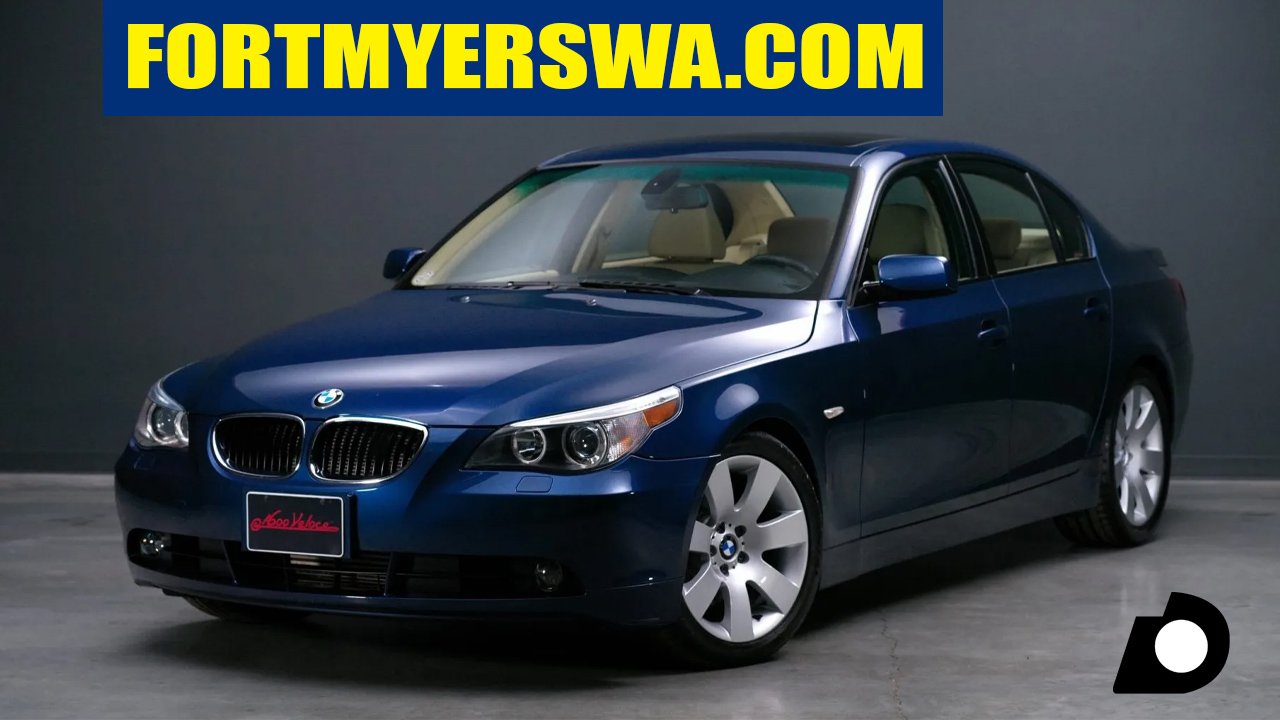
Meta description: Is fortmyerswa.com safe? Learn what public reports say about this Fort Myers used car dealer name and how to check dealers, titles, and warranties.
fortmyerswa.com is a web address that many Fort Myers car shoppers search for, and public reports link it to a used car business called Fort Myers Wholesale Autos. The name can fool you. It does not appear to be a city guide or a local news site, and the “WA” does not stand for Washington State. Fort Myers sits on the Gulf Coast of Florida, and the letters point to “Wholesale Autos.” If you hoped to find a general Fort Myers resource, this review will save you time. If you plan to buy a used car in Southwest Florida, keep reading. You will learn what we know about the site, what remains unclear, and how to protect your money before you sign anything.
A quick note on how this review works. The site limits automated access, so this article draws on public business listings, third party website checks, and official consumer guidance, not a hands on test of the inventory. Prices, cars, and policies change quickly, so confirm every detail with the dealer yourself.
What Is fortmyerswa.com?
One online guide to the name says it is associated with Fort Myers Wholesale Autos, a used vehicle dealer on South Tamiami Trail in Fort Myers, Florida. The same guide lists the address as 19561 S. Tamiami Trail and says the lot has carried cars, SUVs, trucks, and vans at prices closer to wholesale levels. That guide comes from a small independent website, not a government record. Treat it as a starting point, not final proof.
The business sits in a large and growing market. Fort Myers is the county seat of Lee County, and the U.S. Census Bureau counted 86,395 residents there in 2020. A 2025 estimate puts the city at 101,581 people, and the wider Cape Coral and Fort Myers metro area at about 875,607 people, according to Wikipedia’s summary of census data. More people usually means more cars on the road, and that means plenty of used vehicles for sale.
What Do Website Safety Checks Say?
Shoppers often ask whether fortmyerswa.com is safe to visit. The review site ScamAdviser rates it as very likely safe, but the page shows its last update came about two years ago, so the details may be old.
On the positive side, ScamAdviser notes that the domain registration runs far into the future, that the site started several years ago, and that the filtering service DNSFilter labels it safe. On the negative side, the owner’s identity is hidden in the public domain records, the site draws little traffic, the checker found no SSL certificate, and it could not analyze the site’s content.
Here is what those findings mean in plain English. Hidden owner details are common, and many owners hide them to avoid spam. Still, a business that sells cars should be easy to identify. A missing SSL certificate means the connection between your browser and the site may not be encrypted. For that reason, I would not type a Social Security number, driver’s license number, or bank details into any page until I confirmed the business and saw a secure connection. A phone call or a visit to the lot is a safer way to share private details.
Low traffic does not prove a business is bad. Small local dealers often have small websites. It simply means you will find fewer online reviews, so you need to do more of your own homework.
Why Used Car Shoppers in Fort Myers Need Extra Care
Two local facts make careful checking even more important in this part of Florida.
The first is flooding. Hurricane Ian made landfall on September 28, 2022, and caused catastrophic damage in Fort Myers. Storm surge flooded parts of downtown, including the Palm Beach Boulevard studios of the TV station WINK. When floods hit a region this hard, water damaged cars can end up for sale, sometimes in other states. A flooded car can look fine on a sunny lot and still hide electrical and rust problems.
The second is the climate. The National Oceanic and Atmospheric Administration reports that average daily highs in Fort Myers reach about 91 degrees Fahrenheit from June through August. The area also gets about 57 inches of rain a year, and roughly two thirds of it falls from June to September. Heat and moisture work cars hard, so air conditioning, batteries, and cooling systems deserve a close look on any test drive.
How to Check a Dealer Before You Visit
Start your research at home, before you get excited about a car. The Federal Trade Commission, or FTC, gives clear advice. First, ask for the total price in writing from every dealer you plan to visit. This helps you confirm that the advertised price is real, that the car is actually on the lot, and that no surprise fees show up at the last minute.
Next, look up the dealer’s record. The FTC suggests you contact your state and local consumer protection agencies to see if any unresolved complaints exist. It also suggests you search the company name online with words like “scam,” “review,” and “complaint.” Spend ten minutes on this step. It costs nothing and can save you thousands of dollars.
Then confirm the dealer has a license. The Florida Department of Highway Safety and Motor Vehicles, known as FLHSMV, requires motor vehicle dealers to hold a license. Florida uses several license types, including independent, franchised, wholesale, and salvage. Because the business name includes the word “wholesale,” ask the dealer which license it holds and what that license allows. You can also contact the FLHSMV Bureau of Dealer Services through flhsmv.gov to check a dealer’s status. According to one surety bond company, Florida law requires a dealer license for anyone who buys, sells, or deals in three or more vehicles in a 12 month period, and licensed dealers must also post a $25,000 surety bond.
Read the Buyers Guide Carefully
Federal rules require dealers to display a Buyers Guide on every used car they offer for sale. They must also hand you a copy after the sale. The guide tells you whether the car comes with a warranty or is sold “as is.” It also lists major mechanical and electrical systems and reminds you to get every promise in writing.
The difference between a warranty sale and an “as is” sale matters a great deal. If the “as is” box is checked, the dealer will not pay for repairs after the sale, and you accept the risk. If the guide shows a warranty, read how much of the repair cost the dealer pays and which parts the warranty covers. The FTC points out that the Buyers Guide overrides the sales contract when the two disagree, so ask the dealer to fix any mismatch on both papers.
Unwritten implied warranties may protect you if the car comes without a written warranty, unless the dealer sells it “as is.” These promises vary by state, and the FTC says they can last as long as four years in some places. A lawyer or the Florida consumer protection office can explain the rules that apply to you.
Do not count on a return period. Federal law does not give you three days to cancel a car purchase. Some dealers offer a “cooling off” period, but only if they choose to. Ask for the return policy in writing and read it before you sign.
Check the Vehicle History and Title
A vehicle history report is one of the best tools you have. Federal law set up the National Motor Vehicle Title Information System, called NMVTIS, to track title and brand data from state motor vehicle agencies, insurers, and salvage yards. You can buy a report through an approved provider listed on the official vehiclehistory.bja.ojp.gov website. Some approved providers sell a single title check for around ten dollars.
Look for brand words such as junk, salvage, rebuilt, and flooded. Any of these can mean the car is worth far less than its asking price, and some brands signal a car that may be unsafe. If a seller tells you about a brand, verify it yourself with a report.
Keep the limits of these reports in mind. NMVTIS does not include detailed repair records. The FTC adds that a history report may list accidents and flood damage, but it usually will not show mechanical problems. A clean report is a good sign. It is not a guarantee.
Get an Independent Inspection
The FTC strongly recommends that you pay an independent mechanic to inspect any used car before you buy it. This advice applies even if the dealer calls the car “certified” or offers a warranty. A mechanical inspection costs money, but it can keep you from buying a car with major hidden problems.
If the dealer will not let you take the car off the lot, look for a mobile inspection service that comes to the dealer. You can also ask the dealer to bring the car to a shop you choose. If a dealer refuses every kind of independent inspection, the FTC says you should think about shopping somewhere else. That refusal tells you something about the deal.
Ask the mechanic for a written report that includes the make, model, and VIN, along with a cost estimate for any needed repairs. You can use those numbers to negotiate a lower price. In Fort Myers, also ask the mechanic to test the air conditioning and check for signs of water damage, such as damp carpet, a musty smell, or rust in odd places like seat tracks.
Watch Out for Add Ons, Financing, and Service Contracts
Many buyers feel tired by the time they reach the finance office, and that is where extra products appear. The FTC lists examples such as gap insurance, VIN etching, and rustproofing. These add ons can cost thousands of dollars, and you can usually buy the car without them. If you want one, ask what it costs and what it covers, and get the answer in writing.
Financing deserves the same care. A low monthly payment can hide a long loan with a high interest rate, which makes the car much more expensive overall. Before you sign, make sure you know the exact price of the car, the total sales price with financing, the finance charge, the annual percentage rate, and the number of payments. Compare offers from banks and credit unions, not just the dealer.
A service contract is also not the same as a warranty. Sellers often call it an extended warranty, but it is a separate product. Ask whether it overlaps with coverage you already have, what the deductible is, and whether you can cancel for a refund. Under FTC guidance, a dealer that sells you a service contract within 90 days of the sale cannot remove implied warranties on the systems that contract covers.
A Simple Plan for Buying With Confidence
Put the steps in order, and the process feels much easier. Begin by setting a budget that includes registration, insurance, gas, and maintenance, not just the price tag. Next, research the dealer, confirm its Florida license, and ask for a written price. When a car catches your eye, copy the VIN and run a title check through an approved NMVTIS provider.
After that, visit the lot and take a long test drive that includes city streets and a highway stretch. Read the Buyers Guide before you talk price. Then arrange an independent inspection and ask for a written report. Use that report to negotiate. Finally, read every page of the contract, decline add ons you do not want, and keep copies of everything you sign. If any step goes wrong, you can walk away, and a good dealer will respect that choice.
Is fortmyerswa.com a Good Source for Fort Myers Information?
If you want general information about Fort Myers, this site is not the right place to look. Public reports describe it as a used car dealer name, not a city guide, a news outlet, or a travel resource. That is not a flaw. It simply means you should use other sources for other needs.
For travel planning, the official tourism site VisitFortMyers.com covers beaches, attractions, dining, and places to stay across the area. For city services and government news, the City of Fort Myers runs its own website. For history lovers, the Edison and Ford Winter Estates at 2350 McGregor Boulevard preserve the winter homes of Thomas Edison and Henry Ford. The estates’ website describes a 15,000 square foot museum, twenty acres of historic gardens, and a restored laboratory, and it lists daily hours from 9 a.m. to 5:30 p.m. Hours can change, so check before you go.
Final Thoughts
The name fortmyerswa.com leads to a used car business, not a general Fort Myers guide, and the “WA” stands for “Wholesale Autos,” not Washington. Safety checks show a mix of good and weak signs: the site looks safe to visit, yet the owner details are hidden and the connection may not be secure. None of this proves the dealer is good or bad. It tells you to verify before you trust.
Treat every used car purchase the same way, no matter where you shop. Confirm the dealer’s license, read the Buyers Guide, run a title check, pay for an independent inspection, and get all promises in writing. After Hurricane Ian, those steps matter even more in Southwest Florida. Take your time, ask hard questions, and let the facts, not the sales pitch, decide the deal.
Conclusion
fortmyerswa.com points to a used car business, not a general guide to Fort Myers. Public reports link the name to Fort Myers Wholesale Autos, and the “WA” stands for “Wholesale Autos,” not Washington. Safety checks show a mix of signals. The site looks safe to visit, but the owner details are hidden and the connection may not be secure, so you should verify the business before you share any private information.
Whether you buy from this dealer or any other, the same steps protect you. Confirm the dealer’s Florida license, read the Buyers Guide, run a title check, and pay for an independent inspection. Get every promise in writing. Hurricane Ian left real flood risks in Southwest Florida, so these steps matter even more here. Take your time, ask hard questions, and let the facts decide the deal.
Frequently Asked Questions
What is fortmyerswa.com?
Public reports link the name to Fort Myers Wholesale Autos, a used car dealer on South Tamiami Trail in Fort Myers, Florida. It does not appear to be a general city guide.
Does the WA in fortmyerswa.com mean Washington?
No. Fort Myers is in Florida, and the letters appear to stand for “Wholesale Autos.”
Is fortmyerswa.com safe to visit? ScamAdviser rates it as very likely safe, but it also flags hidden owner details, low traffic, and no detected SSL certificate. Avoid entering private data until you verify the business.
How can I check a Florida car dealer?
Ask which FLHSMV license the dealer holds, contact state and local consumer protection agencies about complaints, and search the dealer’s name online with words like “complaint” and “review.”
Should I get an inspection even if the car has a warranty?
Yes. The FTC advises an independent mechanical inspection before you buy any used car, even a certified one or one that comes with a warranty or service contract.