Running a successful farm requires much more than fertile soil and quality livestock or crops. The equipment you choose directly affects productivity, efficiency, and long-term profitability. Whether you operate a small family farm or a large agricultural enterprise, having the right tools can help reduce labor demands, improve yields, and make day-to-day operations more sustainable.
Tractors: The Backbone of Farm Operations
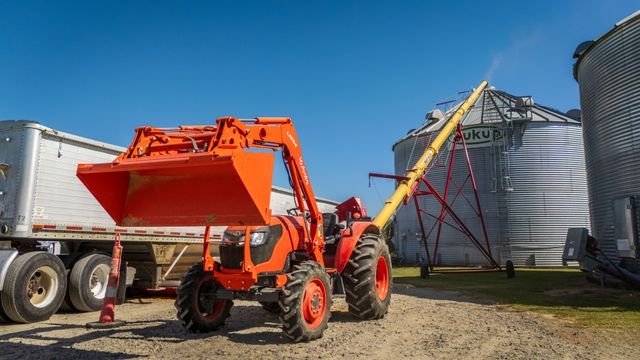
A tractor is often the most valuable and versatile piece of equipment on a farm. From tilling fields and mowing pastures to hauling materials and operating attachments, tractors support countless agricultural tasks throughout the year.
When choosing a tractor, consider factors such as:
- Total acreage
- Type of crops or livestock
- Terrain conditions
- Required attachments
- Horsepower needs
Compact tractors may be sufficient for smaller farms, while larger commercial operations often require high-horsepower models capable of handling extensive fieldwork and heavy equipment.
A reliable tractor can significantly improve efficiency and reduce the manual labor needed to maintain farm operations.
Soil Preparation Equipment
Healthy crops begin with proper soil preparation. Equipment designed for tilling and conditioning the soil helps create an environment where seeds can germinate and establish strong root systems.
Common soil preparation tools include:
- Moldboard plows
- Chisel plows
- Disc harrows
- Cultivators
- Cultipackers
These tools help break up compacted soil, incorporate organic matter, manage residue, and create a uniform planting surface.
Investing in proper soil management equipment can improve crop establishment and support long-term soil health.
Planting and Seeding Equipment
Accurate planting is essential for maximizing production. Modern planting equipment helps ensure seeds are placed at the correct depth and spacing, improving germination rates and overall crop performance.
Examples include:
Seed Drills
Seed drills distribute seeds evenly while maintaining consistent planting depth.
Row Planters
Popular for crops such as corn and soybeans, row planters improve spacing accuracy and reduce seed waste.
Broadcast Seeders
Useful for cover crops, pastures, and certain specialty crops, broadcast seeders distribute seed across larger areas quickly and efficiently.
Proper seeding equipment helps optimize crop populations and contributes directly to higher yields.
Harvesting Equipment
The harvest season is often the most time-sensitive period of the farming year. Reliable harvesting equipment allows crops to be collected efficiently before weather conditions affect quality.
Common harvesting equipment includes:
- Combine harvesters
- Hay balers
- Forage harvesters
- Potato diggers
- Vegetable harvesters
The specific machinery you need depends on the crops produced by your farm. Efficient harvesting reduces labor demands while minimizing losses in the field.
Irrigation and Water Storage Systems
Water management is critical for maintaining farm sustainability, particularly in regions prone to drought or inconsistent rainfall.
Many farms utilize:
- Drip irrigation systems
- Sprinkler systems
- Pumps
- Water storage tanks
- Filtration systems
Farmers who collect and store rainfall often rely on a professionally crafted rainwater tank to provide a dependable water source for irrigation, livestock, and other farm operations. Proper water storage can help reduce costs and improve resilience during dry periods.
A well-designed water management system supports both productivity and sustainability.
Livestock Equipment
Farms that raise animals require additional equipment to support feeding, health management, and daily care.
Important livestock equipment may include:
- Feeders
- Water troughs
- Fencing systems
- Livestock handling equipment
- Portable shelters
- Feed storage facilities
Proper equipment improves animal welfare and helps streamline routine management tasks.
Grain and Feed Storage Solutions
Protecting harvested crops and feed supplies is essential for maintaining their value and usability.
Storage options often include:
- Grain bins
- Silos
- Feed sheds
- Commodity bins
- Climate-controlled storage buildings
Quality storage reduces losses caused by pests, moisture, and spoilage while helping farmers market products when prices are most favorable.
Utility Vehicles and Transportation Equipment
Efficient transportation is vital on nearly every farm. Utility vehicles and trailers help move people, tools, feed, crops, and materials between different areas of the property.
Common transportation equipment includes:
- Utility task vehicles (UTVs)
- Farm trucks
- Flatbed trailers
- Livestock trailers
- Feed wagons
These vehicles improve efficiency and save significant amounts of time across daily operations. Routine maintenance extends equipment lifespan and reduces costly downtime during critical seasons.
Conclusion
Sustaining a productive farm requires a combination of essential machinery, water management systems, storage solutions, and maintenance tools. Tractors, soil preparation equipment, planters, harvesting machinery, irrigation systems, and transportation vehicles each play an important role in day-to-day agricultural success.
While equipment investments can be significant, selecting machinery that matches your farm’s size, goals, and operational needs helps improve efficiency, increase productivity, and support long-term sustainability. By carefully evaluating your requirements and maintaining your equipment properly, you can build a farm operation that remains productive and resilient for years to come.