Maintaining a comfortable indoor environment requires a heating and cooling system that can deliver consistent temperatures, operate efficiently, and adapt to the needs of different living and working spaces. Modern HVAC technology has introduced several solutions that help homeowners improve indoor comfort without depending on traditional ductwork. Mini split systems have become a popular choice because they offer flexible installation options, individual temperature control, and efficient heating and cooling capabilities. A professionally planned mini split installation allows property owners to enjoy reliable climate control while making better use of available energy. These systems are designed to accommodate different room layouts, provide targeted comfort, and support properties where conventional heating and cooling arrangements may not be practical.
Understanding Modern Mini Split Heating and Cooling Systems
Mini split systems are designed to provide heating and cooling through two primary components: an outdoor condenser and one or more indoor air-handling units. These components are connected through refrigerant piping, electrical connections, and a condensate drainage arrangement. Unlike traditional central HVAC systems, mini splits do not require an extensive network of air ducts to distribute conditioned air. Instead, indoor units deliver heated or cooled air directly into the spaces where they are installed. This design makes them a practical option for individual rooms, renovated spaces, home additions, offices, and other areas that require independent temperature control.The system works by transferring heat between indoor and outdoor environments through a refrigerant cycle. During cooling operation, heat from the indoor air is absorbed and transferred outside. During heating operation, the system reverses the process and moves heat indoors. Many modern units use advanced inverter technology that allows the compressor to adjust its speed according to the actual heating or cooling demand. This helps maintain more consistent indoor temperatures while reducing unnecessary operating cycles. Understanding these basic functions helps homeowners recognize why proper equipment selection and professional installation are essential for achieving dependable results.
Why Professional Mini Split Installation Matters
Installing a mini split system involves more than simply attaching an indoor unit to a wall and placing the outdoor condenser nearby. The complete process requires careful planning, accurate measurements, refrigerant line connections, electrical work, condensate drainage, and system testing. Each component must be installed according to the manufacturer’s specifications to ensure that the equipment operates correctly. Incorrect installation can lead to refrigerant leaks, drainage problems, restricted airflow, electrical concerns, and reduced heating or cooling performance. Professional technicians understand these requirements and use appropriate procedures to complete the installation properly.A professional mini split installation also begins with evaluating the property’s specific heating and cooling requirements. Room dimensions, insulation quality, ceiling height, window placement, occupancy, and existing electrical arrangements can all influence equipment selection. Choosing a system based only on general room size may result in an undersized or oversized unit that cannot maintain suitable indoor conditions efficiently. HVAC professionals can evaluate these factors and recommend equipment that matches the intended application. Proper planning helps homeowners avoid unnecessary expenses while ensuring that the system provides reliable performance for everyday use.
Selecting the Right Mini Split System Capacity
Choosing the correct system capacity is one of the most important decisions when planning a new heating and cooling installation. Mini split equipment is available in different capacities, allowing property owners to select a model that suits the size and characteristics of the intended space. However, room dimensions are only one part of the calculation. Insulation levels, ceiling height, the number of windows, sunlight exposure, air leakage, and the number of occupants can all influence heating and cooling demand. A system that is too small may operate continuously without maintaining the desired temperature, while an oversized unit may cycle inefficiently and create uncomfortable temperature changes.Professional load calculations help determine the appropriate equipment capacity for each installation area. These calculations consider the building’s thermal characteristics and expected heating and cooling requirements instead of relying on rough estimates. During a mini split installation, technicians can also evaluate whether a single indoor unit will provide sufficient coverage or whether multiple units are necessary to distribute conditioned air effectively. Selecting the correct capacity supports consistent comfort, reduces unnecessary operating strain, and helps the system perform according to its intended efficiency ratings.
Choosing the Best Location for Indoor Units
Indoor unit placement has a significant influence on airflow distribution and overall comfort. Wall-mounted units are commonly installed in elevated positions where they can distribute conditioned air throughout the room. However, the exact location should depend on the room layout, available wall space, furniture placement, and the manufacturer’s installation requirements. Units should not be positioned where curtains, shelves, cabinets, or other obstacles interfere with airflow. Proper positioning also helps prevent direct airflow from creating uncomfortable conditions for occupants.Installers must consider several technical requirements when selecting an indoor unit location. These include sufficient clearance around the equipment, access for filter cleaning, refrigerant line routing, electrical connections, and condensate drainage. The unit should also be positioned where routine maintenance can be completed without unnecessary difficulty. A carefully planned mini split installation considers both appearance and functionality, ensuring that the indoor equipment blends into the room while delivering effective temperature control. Proper placement helps reduce airflow problems and contributes to a more comfortable indoor environment throughout the year.
Preparing the Outdoor Condenser for Long-Term Performance
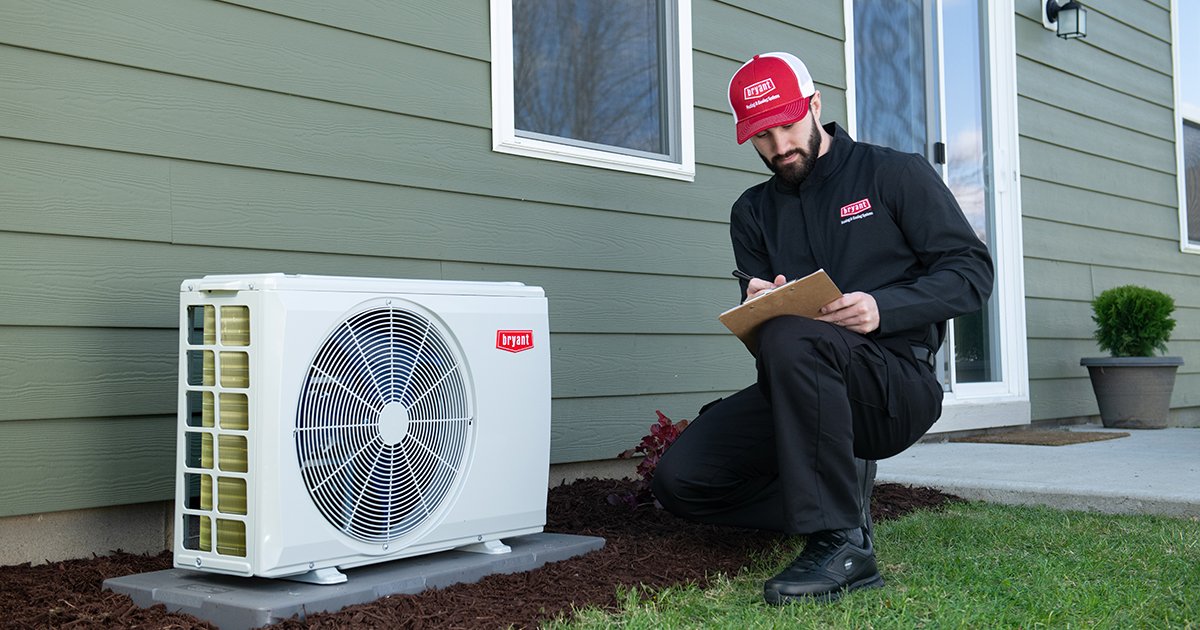
The outdoor condenser is an essential part of a mini split system because it facilitates heat transfer between the refrigerant and the surrounding outdoor air. Its location should provide adequate ventilation, a stable mounting surface, and convenient access for maintenance. Placing the unit too close to walls, vegetation, or other obstructions may restrict airflow and affect its ability to transfer heat effectively. Installers must follow the manufacturer’s recommended clearance requirements to ensure that the condenser can operate under suitable conditions.The outdoor unit should also be positioned to minimize unnecessary vibration and exposure to excessive debris. Depending on the property’s structure and equipment design, it may be installed on an appropriate ground-level base or a suitable mounting bracket. Proper support helps maintain stability while reducing vibration during operation. Drainage and access requirements should also be considered when selecting the location. During professional mini split installation, technicians evaluate these details to help protect the outdoor equipment, maintain ventilation, and make future inspections and repairs more convenient.
Understanding Refrigerant Piping and System Connections
Refrigerant piping connects the indoor and outdoor components and allows the system to transfer heat efficiently. These lines must be properly sized, routed, insulated, and connected according to the equipment manufacturer’s specifications. Incorrect piping practices can affect refrigerant flow, reduce system efficiency, and contribute to equipment damage. Installers must also consider maximum permitted line lengths, elevation differences, connection requirements, and other technical limitations associated with the selected model. Proper insulation is important because it helps reduce unwanted heat transfer and condensation along the refrigerant lines.The refrigerant circuit must also be checked carefully before the system is placed into regular operation. Professional installation procedures generally include appropriate leak testing, evacuation, and verification of the refrigerant charge according to manufacturer instructions. These procedures help remove unwanted moisture and air from the system and reduce the risk of refrigerant-related operating problems. A properly completed mini split installation ensures that the refrigerant circuit is prepared correctly and that all connections meet the equipment’s technical requirements. This attention to detail supports dependable heating and cooling while protecting important system components.
The Importance of Safe Electrical Installation
Electrical work is another critical part of installing mini split heating and cooling equipment. Each system has specific voltage, circuit, disconnect, and wiring requirements that must be followed to support safe operation. Electrical connections must be compatible with the equipment and completed according to applicable codes and manufacturer instructions. Incorrect wiring, insufficient circuit capacity, or loose electrical connections can cause operating failures and potentially dangerous conditions. For this reason, electrical installation should always be completed by qualified professionals with the appropriate knowledge and experience.Before completing the installation, technicians should verify the electrical supply, inspect connections, and confirm that the system responds correctly to its operating controls. Proper grounding and suitable protective devices are also important for safe equipment operation. Homeowners should avoid attempting to modify internal wiring or connect heating and cooling equipment without professional assistance. Including electrical evaluation as part of a professional mini split installation helps reduce avoidable problems and ensures that the equipment receives the appropriate power required for reliable operation.
Benefits of Inverter Technology in Mini Split Systems
Many modern mini split systems use inverter-driven compressors that adjust their operating speed based on indoor temperature and heating or cooling demand. Traditional systems may rely more heavily on repeated starting and stopping, whereas inverter technology can maintain operation at varying speeds. This allows the equipment to respond more gradually to changes in indoor conditions and maintain a more consistent temperature. Reduced cycling can also help limit unnecessary mechanical strain and contribute to quieter operation.Energy performance depends on several factors, including the equipment’s efficiency ratings, system capacity, installation quality, insulation, and household usage. An advanced compressor cannot deliver its full potential if the system is incorrectly sized, poorly installed, or affected by airflow restrictions. Homeowners should compare available models and consider features such as variable-speed operation, heating performance, filtration, and control options. Proper equipment selection combined with professional installation helps ensure that inverter technology functions as intended and supports more predictable energy consumption over the system’s operating life.
Creating Separate Temperature Zones for Greater Comfort
One of the main advantages of mini split technology is the ability to control temperatures in individual spaces. Single-zone systems generally serve one indoor area, while multi-zone configurations can connect several indoor units to a compatible outdoor condenser. This arrangement allows different rooms to have separate temperature settings according to occupancy and personal comfort preferences. For households where some rooms receive more sunlight or experience different heating and cooling demands, zoning can provide greater flexibility than a conventional single-thermostat arrangement.Multi-zone systems can also help reduce unnecessary heating and cooling when certain rooms are not being used. However, successful zoning requires careful planning because the outdoor condenser must support the total connected indoor unit capacity and the manufacturer’s permitted combinations. The indoor units should also be selected and positioned according to each room’s requirements. A professionally designed mini split installation helps determine the most appropriate zoning arrangement, allowing homeowners to improve comfort without creating unnecessary equipment or operational complications.
Proper Condensate Drainage and Moisture Management
During cooling operation, mini split indoor units remove moisture from the air as part of the cooling and dehumidification process. This moisture collects inside the equipment and must be directed away through a condensate drainage system. If the drain line is incorrectly installed, blocked, or poorly positioned, water may leak from the indoor unit and damage nearby walls, floors, or furniture. Persistent moisture can also create conditions that encourage unwanted microbial growth. Therefore, drainage planning is an important part of every mini split installation.Professional technicians determine whether gravity drainage or an appropriate condensate pump is required based on the equipment location and installation arrangement. Drain lines must follow suitable routing requirements and remain accessible for future cleaning and maintenance. Installers should also verify that condensation can move away from the indoor equipment without creating unnecessary restrictions. Proper moisture management helps protect interior surfaces and supports reliable cooling operation. Paying attention to drainage during installation can prevent avoidable problems and reduce the need for future corrective work.
How Mini Split Systems Improve Indoor Comfort
Mini split systems provide targeted heating and cooling by delivering conditioned air directly into the spaces where indoor units are installed. This approach can improve temperature control in areas that may not receive sufficient airflow from an existing central HVAC system. Home additions, converted garages, renovated rooms, offices, and other spaces can benefit from a dedicated heating and cooling solution. Instead of depending entirely on the capacity and duct arrangement of another system, property owners can introduce equipment designed specifically for the intended area.Indoor comfort also depends on appropriate airflow, humidity management, and consistent temperature control. Modern mini split systems offer adjustable fan speeds and operating modes that allow occupants to customize their indoor environment. Some models include advanced filtration features that help capture certain airborne particles as air passes through the equipment. Although these features do not replace a complete indoor air quality strategy, they can contribute to everyday comfort when filters are maintained properly. A carefully planned installation helps the equipment deliver the intended comfort benefits while accommodating the property’s layout and usage requirements.
Maintaining Your Mini Split System After Installation
Regular maintenance is essential for protecting the performance and reliability of mini split equipment. Indoor filters collect dust and airborne particles during operation, so they should be cleaned or replaced according to the manufacturer’s recommendations. Dirty filters can restrict airflow, reduce heating and cooling performance, and place additional strain on the equipment. Homeowners should also keep the outdoor condenser clear of leaves, dirt, vegetation, and other obstructions that may interfere with ventilation. These basic activities help maintain suitable operating conditions between professional inspections.Professional maintenance provides a more detailed evaluation of the system’s condition. Technicians can inspect refrigerant connections, electrical components, drainage arrangements, coils, blower assemblies, and overall operating performance. They may also identify developing concerns that are difficult for homeowners to recognize through ordinary observation. Keeping maintenance records can help track previous repairs, inspections, and equipment performance over time. Regular care following a mini split installation helps preserve efficiency, reduce avoidable breakdowns, and support reliable heating and cooling throughout the year.
Common Installation Mistakes That Homeowners Should Avoid
Several installation mistakes can reduce the performance and reliability of mini split equipment. Incorrect system sizing is one of the most common concerns because an improperly selected unit may struggle to maintain comfortable temperatures or operate inefficiently. Poor indoor unit placement can also create uneven airflow and uncomfortable temperature differences. Other problems may involve inadequate refrigerant line insulation, incorrect drainage arrangements, restricted outdoor ventilation, and improper electrical connections. Although these mistakes may not always create immediate equipment failure, they can contribute to ongoing performance difficulties.Another concern is failing to complete the necessary system testing before regular operation begins. Refrigerant leaks, drainage problems, and electrical faults should be identified and addressed during the installation process rather than discovered after the system has been operating for some time. Homeowners should avoid choosing installation services based exclusively on the lowest quoted price because incomplete work may result in additional repair expenses. Working with experienced professionals helps ensure that every stage of the installation receives appropriate attention and that the equipment is tested according to manufacturer requirements.
When to Upgrade to a Modern Mini Split System
Property owners may consider upgrading to a mini split system when their existing heating and cooling equipment no longer provides satisfactory performance. Older HVAC systems may experience frequent breakdowns, inconsistent temperatures, rising operating expenses, or difficulty serving renovated spaces. Some properties may also lack the ductwork needed for conventional central heating and cooling. In these situations, mini split technology can provide a flexible alternative that accommodates individual rooms or multiple indoor zones without requiring extensive duct construction.Before selecting new equipment, homeowners should evaluate the property’s electrical capacity, insulation, room layout, existing HVAC arrangement, and expected heating and cooling demand. A qualified technician can determine whether a single-zone or multi-zone configuration would be more appropriate and explain the installation requirements. Comparing equipment efficiency ratings, warranties, operating features, and maintenance needs can also help homeowners make a more informed decision. Proper planning ensures that the selected system addresses the property’s actual comfort requirements and provides a practical long-term solution.
Conclusion
Mini split systems offer a flexible and efficient approach to maintaining comfortable indoor temperatures while providing greater control over individual spaces. Their compact design, zoning capabilities, inverter technology, and ability to operate without extensive ductwork make them suitable for many residential and commercial applications. However, achieving reliable results requires careful equipment selection, accurate sizing, proper indoor and outdoor unit placement, secure refrigerant connections, suitable electrical work, and effective condensate drainage. Every part of the installation process contributes to the overall performance and longevity of the equipment.Choosing experienced HVAC professionals helps ensure that the system is installed according to manufacturer specifications and tested before regular operation. Homeowners should also prioritize filter cleaning, outdoor unit maintenance, and periodic inspections to protect their investment.
A properly planned mini split installation can deliver dependable heating and cooling, improved temperature control, and greater flexibility for everyday comfort. With appropriate equipment and professional installation practices, property owners can enjoy a modern climate control solution that supports long-term efficiency and reliable indoor performance.