Introduction
Metal roofing is known for its durability, strength, weather resistance, and ability to protect residential and commercial buildings for many years. However, even a strong metal roofing system requires proper care to maintain its appearance and performance over time. Exposure to airborne salt, rainwater, moisture, dust, and other environmental contaminants can gradually affect the surface of metal panels, particularly when deposits are allowed to remain for extended periods. Salt buildup is especially concerning because it can contribute to corrosion when moisture and damaged protective coatings are present. Regular metal roof salt removal helps eliminate accumulated salt residue, protect the roofing finish, and reduce the possibility of long-term deterioration. Proper cleaning also creates an opportunity to identify early signs of rust, damaged coatings, loose fasteners, and other issues that may require professional attention. By understanding the causes of salt accumulation and using suitable cleaning methods, property owners can maintain a cleaner roofing surface and protect their investment for the long term.
Understanding Salt Accumulation
Salt can accumulate on metal roofing through several environmental processes, including airborne particles, wind-driven moisture, rainwater, and residue carried through the atmosphere. Although coastal properties often experience greater exposure, salt deposits can also develop in other environments where airborne contaminants settle on exterior surfaces. When moisture containing dissolved salt reaches the roof and later evaporates, the remaining minerals may create white marks, streaks, or a thin layer of residue across the metal panels. Over time, repeated exposure can increase the amount of buildup, especially in areas that are not regularly washed by rainfall or where water does not drain properly. Professional metal roof salt removal focuses on eliminating these deposits before they contribute to surface deterioration or interfere with the protective coating. Understanding how salt reaches the roofing surface helps property owners recognize why regular inspections and appropriate cleaning are important for maintaining metal roofing materials.
How Salt Damages Metal Roofing
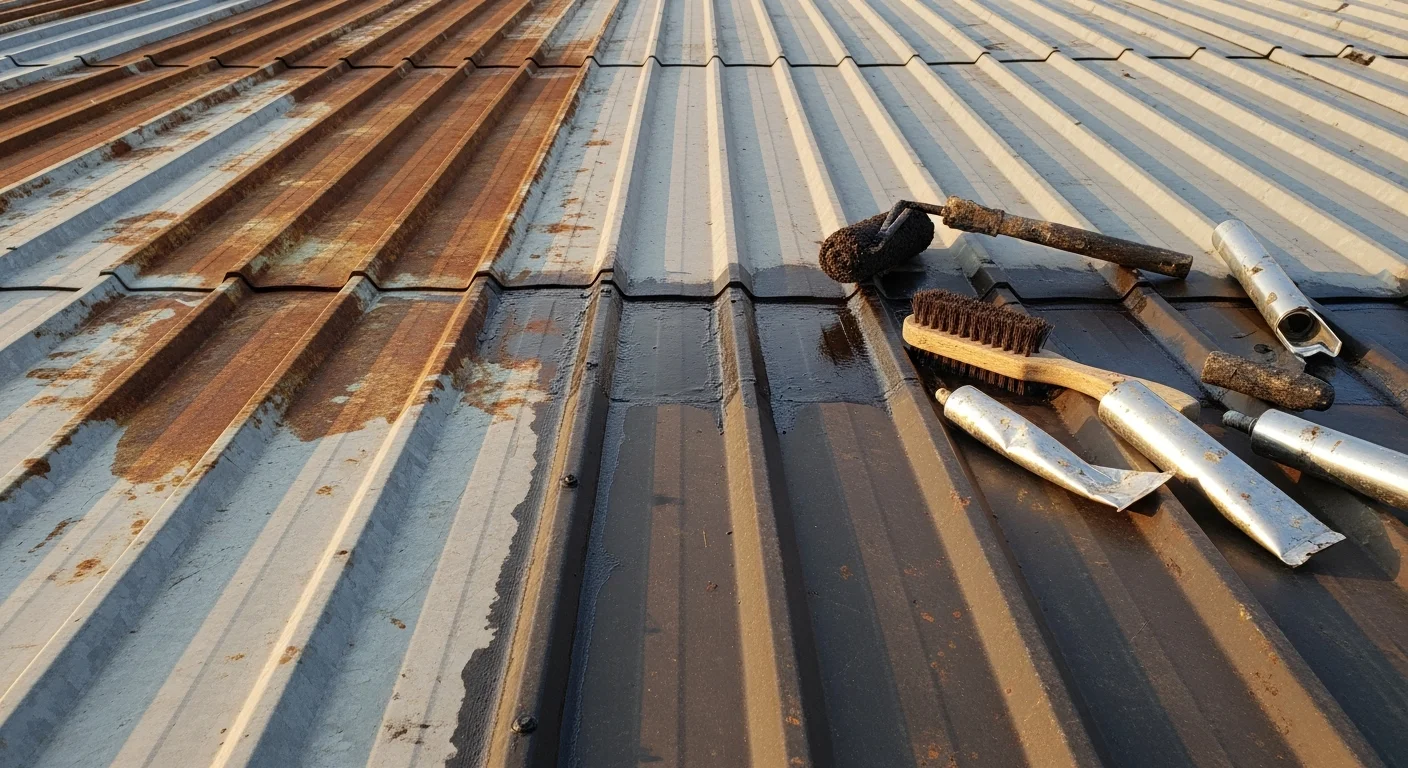
Salt exposure can create conditions that increase the risk of corrosion, particularly when metal surfaces remain damp or their protective coatings have been damaged. Most metal roofing systems include paint finishes or specialized protective treatments designed to separate the underlying metal from environmental moisture. However, scratches, chipped coatings, exposed fasteners, and deteriorating seams can create vulnerable areas where corrosion may begin. When salt residue remains around these locations, moisture can make the environment more damaging to the exposed material. Consistent metal roof salt removal helps reduce accumulated salt deposits and supports the condition of the existing protective finish. However, cleaning should never be considered a replacement for repairing damaged roofing components. If rust, bubbling paint, peeling coatings, or unusual discoloration is discovered, a qualified roofing contractor should inspect the affected area and determine whether additional treatment or repairs are necessary.
Importance of Regular Roof Cleaning
Regular cleaning is an important part of maintaining metal roofing because environmental contaminants can gradually affect the appearance and condition of exposed panels. Dust, pollen, leaves, dirt, and salt deposits may collect across the roof, especially around valleys, panel joints, roof edges, and drainage areas. When these materials remain in place, they can hold moisture against the surface and make it more difficult to recognize early signs of deterioration. A planned metal roof salt removal routine helps keep the roofing surface cleaner while reducing the amount of unwanted residue that remains on vulnerable sections. Cleaning also makes it easier for roofing professionals to examine the condition of the panels, fasteners, flashing, and protective finishes. Instead of waiting until visible corrosion or extensive staining develops, property owners can take preventive action that supports the roof’s long-term performance and helps avoid unnecessary maintenance expenses.
Protecting the Original Metal Coating
The protective coating is one of the most important features of a metal roofing system because it helps prevent direct exposure of the underlying metal to moisture and environmental contaminants. Many roofing panels have factory-applied finishes that provide resistance to weather conditions while maintaining their original color and appearance. These finishes can gradually weaken when exposed to harsh chemicals, abrasive cleaning tools, or improper washing techniques. During metal roof salt removal, it is important to choose methods that eliminate salt deposits without scratching, peeling, or weakening the existing coating. Rough brushes and aggressive scrubbing materials should be avoided because they may create small surface imperfections that increase the possibility of future corrosion. Property owners should also follow the cleaning recommendations provided by the roofing manufacturer. When the coating is already damaged, professional evaluation can help determine whether the affected area requires specialized treatment or restoration.
Choosing Suitable Cleaning Products
Selecting the right cleaning products is essential for removing salt deposits without creating additional problems for the roofing system. Some metal surfaces may be sensitive to strong acids, highly alkaline products, abrasive compounds, and household chemicals that are not designed for exterior metal finishes. Using an unsuitable solution can cause discoloration, damage protective coatings, or affect nearby materials such as sealants and flashing. Effective metal roof salt removal should involve cleaning products that are compatible with the specific metal roofing material and its protective finish. Manufacturers often provide instructions regarding approved cleaning solutions, recommended dilution levels, and application procedures. Following these guidelines helps prevent unnecessary damage while allowing the cleaning process to remove accumulated residue. Property owners should avoid mixing different chemicals or applying unfamiliar products without understanding their effects. When salt deposits are difficult to remove, professional contractors can recommend a suitable treatment based on the roof’s condition.
Using Fresh Water to Remove Salt Deposits
Fresh water is an important part of removing many types of salt residue because it helps dissolve deposits and carry them away from the roofing surface. When used correctly, a controlled rinse can remove loose salt particles before they have an opportunity to accumulate further. However, water should be directed carefully so that it does not enter beneath overlapping panels, flashing, or other vulnerable roofing connections. Proper metal roof salt removal involves more than simply spraying the roof with water because the direction, pressure, and drainage of the rinse all influence the final result. Areas containing heavier deposits may require a compatible cleaning solution before being rinsed thoroughly. It is also important to prevent dirty rinse water from collecting around roof edges or remaining inside gutters. A professional cleaning process considers how water moves across the roof and ensures that dissolved residue is removed rather than redistributed to other sections.
Avoiding High-Pressure Cleaning Damage
Pressure washing may appear to be a quick solution for removing stubborn salt deposits, but excessive pressure can damage metal roofing systems. Strong water streams may affect painted finishes, disturb weakened seals, loosen deteriorated components, or force moisture beneath panel connections. The possibility of damage depends on the roof’s age, panel design, coating condition, equipment settings, and the direction of the spray. Safe metal roof salt removal requires a controlled cleaning method that matches the roofing material rather than relying on maximum water pressure. Gentle rinsing and compatible cleaning products may be more appropriate for many metal surfaces, particularly when the protective coating is older or already showing signs of wear. Property owners should avoid experimenting with powerful pressure-washing equipment because improper use can create expensive problems. Experienced roofing professionals can evaluate the surface and determine the safest approach for removing accumulated salt without damaging important roofing components.
Inspecting Fasteners and Panel Connections
Metal roofing systems depend on properly installed fasteners and secure panel connections to maintain their strength and weather resistance. Fasteners hold panels in position, while seams and overlapping sections help create a continuous protective surface. Over time, temperature changes, normal building movement, and environmental exposure may cause some components to loosen or deteriorate. Salt and moisture can also accumulate around fasteners, particularly when dirt and debris remain trapped near these areas. During metal roof salt removal, these connections should receive careful attention because corrosion around screws, damaged washers, and deteriorated seals may indicate that repairs are necessary. Cleaning can remove visible residue, but it cannot correct loose fasteners or restore damaged connections. A qualified roofing contractor can inspect these components, determine whether they remain secure, and recommend appropriate repairs. Maintaining these details helps reduce water intrusion and supports the overall performance of the roofing system.
Preventing Rust and Corrosion
Rust and corrosion are important concerns for metal roofing because they can gradually weaken exposed material and affect the appearance of the roof. Although protective finishes provide a valuable barrier, damage caused by scratches, falling branches, improper cleaning, or aging may leave certain areas vulnerable. Salt deposits can make these conditions more concerning when moisture remains present on the surface. Consistent metal roof salt removal helps reduce accumulated salt and allows property owners to observe the roofing material more clearly during inspections. If rust spots appear, the affected area should be evaluated to determine whether the corrosion is limited to the surface or has started affecting the underlying metal. Simply washing away the visible residue will not repair existing corrosion. Professional treatment may involve preparing the affected surface, applying suitable protective products, repairing damaged components, or replacing severely deteriorated materials. Early attention can help prevent localized corrosion from spreading.
Maintaining Gutters and Drainage Systems
Gutters and downspouts are essential components of a complete roofing system because they direct rainwater away from the roof edges and building foundation. When leaves, dirt, branches, and other debris collect inside gutters, water may overflow or remain trapped near the roofline. This can increase moisture exposure around fascia boards, exterior walls, and nearby roofing components. During metal roof salt removal, drainage systems should be checked to ensure that dissolved salt, cleaning products, and rinse water can move away from the building properly. Blocked gutters may allow contaminated water to collect in areas where it can leave stains or create additional maintenance concerns. Roofing professionals can inspect gutter connections, downspouts, and roof valleys for blockages, loose brackets, and visible deterioration. Maintaining clear drainage pathways helps improve the effectiveness of cleaning and supports the long-term condition of the entire roofing system.
Cleaning Around Flashing and Roof Accessories
Flashing protects important areas where the roofing system meets chimneys, vents, skylights, walls, and other structures. These locations often contain seams, sealants, brackets, and joints that require careful attention because they help prevent moisture from entering the building. Salt deposits may collect around these connections, particularly when airborne moisture repeatedly reaches the same sections. Other roof accessories, including solar panels, antennas, pipes, and ventilation equipment, can also create additional areas where residue accumulates. Professional metal roof salt removal should account for these components and use appropriate cleaning techniques around their connections. Excessive pressure or incompatible chemicals may damage seals and affect equipment installed on the roof. Contractors should examine vulnerable areas before cleaning and avoid directing water into openings where it could create leaks. Careful treatment helps remove salt residue while protecting the components responsible for maintaining the roof’s weather resistance.
Recognizing Early Signs of Salt Damage
Identifying early signs of salt-related damage allows property owners to arrange maintenance before minor concerns become more serious. Common warning signs may include white mineral deposits, unusual surface discoloration, rust-colored marks, bubbling paint, peeling coatings, and corrosion around fasteners. In some cases, salt residue may be difficult to distinguish from ordinary dust or other environmental staining, making a professional inspection particularly valuable. Regular metal roof salt removal helps expose the actual condition of the metal panels and makes it easier to identify areas that require additional attention. Property owners should also observe whether stains return quickly after cleaning because recurring discoloration may indicate coating deterioration or another underlying problem. If moisture appears inside the building, the roof should be inspected promptly to determine whether a damaged connection or corroded section is allowing water to enter. Recognizing these warning signs early supports better maintenance decisions and helps reduce the possibility of extensive repairs.
Establishing a Regular Cleaning Schedule
The appropriate cleaning schedule depends on the environment surrounding the building, the type of metal roofing installed, and the amount of salt exposure the property receives. Buildings exposed to frequent airborne salt or moisture may require more regular cleaning than properties located in areas with limited environmental exposure. Roofs surrounded by trees or exposed to significant dust may also collect additional contaminants that need attention. A suitable metal roof salt removal schedule should be based on the actual condition of the roof rather than following the same routine for every building. Professional inspections can help determine when cleaning is necessary and whether additional preventive measures should be considered. Keeping records of cleaning dates, inspection findings, and completed repairs can also help property owners monitor changes in the roofing system over time. A planned maintenance approach makes it easier to address salt buildup before it becomes a recurring concern.
Why Professional Roof Cleaning Is Important
Cleaning a metal roof can be dangerous because roofing surfaces may become extremely slippery when wet or covered with cleaning solutions. Working at height also creates serious fall risks, while improper equipment use can damage panels, coatings, and other roofing components. Professional contractors understand how to evaluate different roofing materials and select suitable cleaning methods based on the condition of the surface. Experienced specialists performing metal roof salt removal can also identify concerns that may not be obvious to property owners, including loose fasteners, deteriorated seals, damaged flashing, and early corrosion. Houser Roofing provides roofing-related services that can help property owners address concerns affecting the condition and performance of their roofing systems. Working with an experienced roofing company helps ensure that cleaning is approached carefully and that any additional problems receive appropriate professional attention. This combination of cleaning and inspection supports better long-term roof care.
Combining Salt Removal With Preventive Maintenance
Salt removal should be considered part of a broader preventive maintenance plan rather than an isolated cleaning activity. Although removing deposits helps reduce surface contamination, the roofing system may still require attention to damaged coatings, loose fasteners, deteriorating flashing, or existing corrosion. A complete metal roof salt removal strategy should therefore include periodic inspections and timely repairs whenever visible problems are discovered. Property owners can benefit from monitoring the roof after severe weather, keeping gutters clear, removing loose debris, and arranging professional evaluations when the surface begins showing unusual changes. Combining these activities provides a better understanding of the roof’s overall condition and helps prevent small issues from remaining unnoticed. Preventive maintenance also allows property owners to prioritize necessary work instead of waiting until significant deterioration affects larger sections of the roofing system.
Conclusion
Metal roofing provides excellent protection and durability, but continuous exposure to salt, moisture, and environmental contaminants can create maintenance challenges over time. Salt deposits may affect the roof’s appearance and contribute to corrosion when they remain on vulnerable surfaces, particularly where protective coatings have already been damaged. Proper metal roof salt removal helps eliminate accumulated residue, maintain a cleaner roofing surface, and make it easier to recognize early signs of deterioration. Using compatible cleaning solutions, controlled water pressure, and suitable rinsing techniques is essential for protecting metal panels and their protective finishes. Regular inspections, clear drainage systems, and timely repairs further support the long-term performance of the roof. By following a consistent cleaning and maintenance approach and working with experienced roofing professionals, property owners can help preserve the strength, appearance, and reliability of their metal roofing systems.