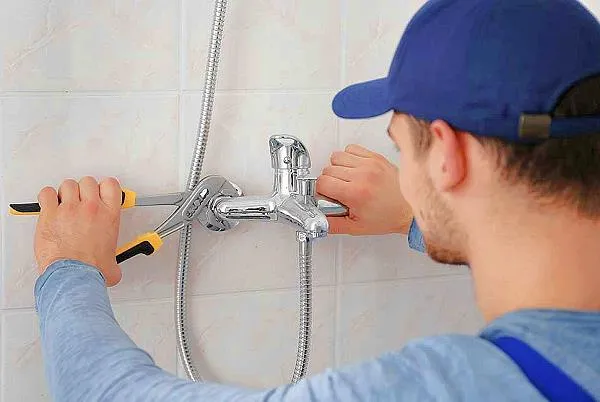
Faucets are among the most frequently used fixtures in residential and commercial plumbing systems. From kitchen sinks and bathroom basins to utility rooms and outdoor water connections, these fixtures provide convenient access to water for everyday activities. Although faucets may appear simple, they contain several interconnected components that must function correctly to maintain consistent water flow and prevent unnecessary water waste. Washers, cartridges, valves, handles, seals, and internal connections can gradually deteriorate because of regular use, mineral deposits, corrosion, and changing water pressure. When these components stop working properly, homeowners may experience dripping water, loose handles, inconsistent temperatures, reduced pressure, or difficulty controlling the flow. Ignoring these problems can increase water consumption and contribute to moisture damage around sinks, countertops, cabinets, and surrounding surfaces. Professional faucet repair helps restore the functionality of plumbing fixtures while addressing the underlying causes of common problems. Understanding how faucets operate, why they develop faults, and how professional maintenance supports long-term performance can help property owners protect their plumbing systems and avoid unnecessary expenses.
Understanding How Faucets Work
A faucet is designed to control the movement and temperature of water through a combination of mechanical components. Traditional compression faucets generally use handles that tighten internal mechanisms against washers to stop water flow. Cartridge faucets rely on an internal cartridge that regulates the movement and mixing of hot and cold water. Ball faucets contain a rotating mechanism that controls water delivery, while ceramic disc faucets use durable ceramic plates to provide smooth operation and reliable sealing. Although these designs perform similar functions, their internal components and maintenance requirements can differ significantly. Understanding the faucet type is important because the correct repair method depends on its construction and the condition of its internal parts. A professional plumber can identify the fixture design, examine its components, and determine whether a worn seal, damaged cartridge, loose connection, or another issue is affecting performance. Accurate identification helps prevent unnecessary replacements and ensures that the appropriate components are used.
Common Signs of Faucet Problems
Faucet problems often begin with minor changes in performance that may become more noticeable over time. A slow drip from the spout is one of the most common warning signs, particularly when water continues escaping after the handle has been turned off completely. Homeowners may also notice that faucet handles have become difficult to turn, feel unusually loose, or require additional pressure to control water flow. Other symptoms include inconsistent water temperature, unusual noises, reduced pressure, water escaping around the handle, and moisture collecting beneath the sink. These issues may indicate deteriorating internal seals, mineral accumulation, damaged cartridges, or loose connections. Even a small drip can waste a considerable amount of water when it continues throughout the day. Paying attention to these warning signs makes it easier to identify plumbing concerns before they affect surrounding materials or create additional maintenance requirements. Prompt professional attention can restore normal operation and prevent a relatively minor fixture problem from becoming a more complicated plumbing issue.
Causes of Leaking Faucets
Leaking faucets can develop for several reasons, and identifying the exact cause is essential for achieving a lasting solution. Worn washers are a common source of dripping in traditional compression faucets because repeated contact gradually reduces their ability to create a tight seal. Cartridge faucets may begin leaking when their internal cartridges become damaged or clogged with mineral deposits. O-rings and rubber seals can also deteriorate over time, particularly when exposed to continuous moisture and regular movement. Corrosion around valve seats and internal connections may further interfere with proper sealing. In some situations, excessive water pressure places additional stress on faucet components, increasing the possibility of premature wear. Improper installation can also contribute to leaking connections and inconsistent fixture performance. A professional inspection helps distinguish between these causes and determine which components need attention. Replacing only the damaged parts, when appropriate, can restore the faucet without requiring an unnecessary complete fixture replacement.
The Importance of Timely Faucet Maintenance
Regular maintenance is an important part of keeping plumbing fixtures functional and preventing avoidable water waste. Small faucet problems can gradually become more complicated when damaged components remain in use for extended periods. A dripping fixture may initially seem like a minor inconvenience, but continuous moisture can affect sink cabinets, countertops, flooring, and nearby building materials. Persistent leaking around the base of a faucet may also allow water to collect in areas that are difficult to inspect. Regular cleaning, careful operation, and periodic professional inspections can help identify developing problems before they cause additional damage. Homeowners should avoid applying excessive force to stiff handles because doing so may damage internal mechanisms or loosen connections. Mineral buildup should also be addressed using cleaning methods suitable for the faucet’s finish and material. Timely maintenance supports smoother operation, helps preserve fixture appearance, and reduces the likelihood of unexpected plumbing interruptions.
Professional Faucet Repair Solutions
Different faucet problems require different repair procedures, which is why professional diagnosis is valuable. A dripping compression faucet may need a new washer or valve seat, while a cartridge-style fixture may require cartridge replacement. Loose handles can sometimes be corrected by tightening or replacing the appropriate fastening components, whereas leaking connections may require new seals or properly secured fittings. When corrosion has affected important internal surfaces, the plumber may recommend additional component replacement to restore dependable performance. Professional plumbers examine the fixture, identify the damaged parts, and select compatible replacement components according to the faucet’s design. They also consider water pressure, connection conditions, and the overall age of the fixture before recommending a solution. Reliable faucet repair services focus on correcting the source of the problem rather than simply addressing the visible symptoms. This approach helps improve fixture performance and reduces the possibility of recurring leaks or mechanical difficulties.
Repairing Low Water Pressure in Faucets
Low water pressure can make everyday plumbing activities inconvenient, especially when kitchen and bathroom fixtures do not deliver enough water for normal use. A faucet that previously operated smoothly may begin producing a weak or uneven stream because of mineral deposits, clogged aerators, partially closed supply valves, or problems within the connected plumbing lines. The aerator, which is located at the end of many faucet spouts, helps regulate water flow and reduce splashing. Over time, minerals and small particles can accumulate inside it and restrict water movement. Cleaning or replacing the aerator may resolve certain pressure-related concerns, but not every problem originates within the faucet itself. If several fixtures experience reduced pressure simultaneously, the underlying cause may involve the main supply, a pressure regulator, or another part of the plumbing system. Professional assessment helps determine whether the issue is fixture-related or connected to a larger plumbing concern. Identifying the correct source prevents unnecessary component replacements and supports consistent water delivery.
Addressing Loose or Damaged Faucet Handles
Faucet handles are used repeatedly throughout the day, making them vulnerable to gradual wear and mechanical problems. A handle may become loose when its fastening screw shifts, internal threads deteriorate, or supporting components become damaged. In other situations, the handle may become difficult to operate because mineral deposits or corrosion interfere with the internal mechanism. These problems can make controlling water temperature and flow increasingly difficult. Applying excessive force is not a suitable solution because it may damage the cartridge, handle assembly, or connected valve components. Professional plumbers inspect the handle mechanism and determine whether tightening, cleaning, lubrication with an appropriate product, or component replacement is necessary. They also check whether the underlying valve operates correctly before completing the work. Restoring smooth handle movement improves everyday convenience and helps prevent additional mechanical damage caused by repeated force or improper operation.
Kitchen Faucet Maintenance and Repair
Kitchen faucets experience frequent use because they support cooking, dishwashing, food preparation, and general cleaning activities. Their regular operation exposes internal components to continuous movement, changing water temperatures, mineral deposits, and occasional food-related residue. Pull-down and pull-out kitchen faucets may also experience problems involving spray hoses, docking mechanisms, connection points, and diverter valves. A leaking base can allow water to collect around the sink, while a damaged spray hose may reduce water delivery or cause moisture beneath the countertop. Kitchen fixtures with built-in filtration or additional spray settings may require specialized components and careful troubleshooting. Professional maintenance helps identify these problems and ensures that replacement parts are compatible with the fixture’s design. Keeping kitchen faucets in good condition improves functionality, supports proper hygiene, and reduces unnecessary water waste. Regularly checking the area beneath the sink is also helpful because slow leaks around supply connections can remain unnoticed until visible cabinet damage develops.
Bathroom Faucet Repair and Replacement
Bathroom faucets contribute to daily hygiene and comfort, making their proper operation important for every household. Basin faucets are used for handwashing, brushing teeth, shaving, and other personal care activities, while bathtub and shower fixtures help control water temperature and flow. Problems such as dripping spouts, stiff handles, inconsistent temperatures, and leaking connections can interfere with normal use. Mineral buildup may also affect the appearance of chrome, brushed metal, and other decorative finishes. Depending on the fixture design, professional plumbers may repair internal cartridges, replace worn seals, secure loose mounting hardware, or correct faulty connections. Older bathroom faucets may require more extensive attention when replacement parts are no longer readily available or when corrosion has affected several components. Choosing between repairing and replacing a fixture depends on its condition, age, compatibility, and overall performance. Properly maintained bathroom faucets provide dependable water control while helping preserve the appearance and functionality of the surrounding fixtures.
Understanding Mineral Buildup and Corrosion
Mineral deposits are a common reason faucets gradually lose efficiency, particularly in plumbing systems where water contains elevated levels of dissolved minerals. Calcium and magnesium can accumulate around aerators, cartridges, valve openings, and other internal surfaces. This buildup may restrict water movement, interfere with sealing surfaces, and make handles more difficult to operate. Corrosion presents another challenge because metal components can deteriorate through prolonged exposure to water, unsuitable chemicals, and certain environmental conditions. When corrosion affects internal valve surfaces, simply cleaning the visible fixture may not resolve the underlying problem. Professional plumbers evaluate the extent of the buildup or deterioration before deciding whether cleaning, replacement, or a broader plumbing improvement is appropriate. Homeowners should also use cleaning products recommended for their specific faucet finish because abrasive materials and harsh chemicals can cause permanent surface damage. Proper care helps preserve the fixture’s appearance while supporting reliable operation.
Preventing Water Waste Through Faucet Maintenance
Water conservation is an important consideration for residential and commercial property owners. Even a small faucet drip can result in unnecessary water consumption when it continues over an extended period. Leaking fixtures may also increase utility expenses without providing any useful benefit. Identifying and correcting damaged washers, cartridges, seals, and connections helps reduce avoidable water waste. Property owners can support conservation by checking faucets regularly, avoiding excessive handle pressure, and addressing unusual water flow as soon as it becomes noticeable. Installing modern water-efficient fixtures may also help reduce consumption while maintaining practical performance. However, efficient operation depends on proper installation and suitable maintenance. A faucet that has been installed incorrectly or contains damaged internal components may waste water regardless of its original efficiency rating. Professional plumbing services help ensure that fixtures function correctly and that water-saving features operate as intended.
When Faucet Replacement Is a Better Option
Although many faucet problems can be corrected through targeted repairs, replacement may be more practical when a fixture has extensive damage or repeated mechanical failures. Older faucets may contain corroded internal components, worn mounting hardware, damaged finishes, or outdated designs that make sourcing replacement parts difficult. If multiple components require attention, the combined cost of repairs may approach the cost of installing a new fixture. Replacement can also be beneficial when homeowners want to improve the appearance, functionality, or water efficiency of their kitchen or bathroom. Modern faucets are available in various designs, finishes, handle configurations, and operating mechanisms to suit different plumbing requirements. Before recommending replacement, a professional plumber should evaluate the existing fixture, supply connections, mounting arrangement, and compatibility with the sink or countertop. A properly selected replacement can improve convenience and provide dependable operation while avoiding repeated repairs to an aging fixture.
The Importance of Professional Plumbing Expertise
Faucets may be relatively small plumbing components, but repairing them correctly requires an understanding of different fixture designs, water supply connections, sealing systems, and internal valve mechanisms. Using the wrong replacement cartridge or washer can result in continued dripping, restricted movement, or additional damage. Improper tightening can also damage threads, crack components, or affect the fixture’s connection to the sink. Experienced plumbers understand how to inspect different faucet models and select appropriate repair methods according to their construction. They can also identify problems that may extend beyond the fixture, including excessive water pressure, deteriorating supply lines, and faulty shutoff valves. Professional workmanship helps ensure that repairs are completed carefully and that the fixture is tested before regular use resumes. Property owners should consider experience, service quality, communication, and knowledge of plumbing systems when selecting a service provider. Roland Black offers plumbing-related services that help customers address fixture concerns and maintain dependable plumbing systems.
Conclusion
Faucets are essential plumbing fixtures that support everyday activities, and maintaining their condition is important for water efficiency, convenience, and property protection. Problems such as dripping spouts, loose handles, reduced pressure, damaged cartridges, and deteriorating seals should be addressed before they create additional complications. Understanding the causes of these problems makes it easier to choose appropriate maintenance and repair solutions. Professional inspections help identify underlying faults, ensure component compatibility, and restore reliable fixture performance. Investing in timely faucet repair can reduce unnecessary water waste, protect surrounding surfaces, and extend the useful life of plumbing fixtures. With proper maintenance, quality replacement components, and experienced plumbing assistance, property owners can keep their kitchen and bathroom faucets operating smoothly while maintaining a dependable plumbing system.