Understanding the Importance of Reliable Heating
A dependable heating system is essential for maintaining a comfortable indoor environment, especially when outdoor temperatures begin to decrease and properties require consistent warmth throughout the day. Modern heating equipment is designed to maintain suitable indoor temperatures while operating efficiently, but its performance depends on several interconnected components working together correctly. Furnaces, heat pumps, thermostats, blower motors, electrical connections, and air distribution systems all contribute to the heating process. When one component develops a problem, the entire system may experience reduced efficiency, inconsistent temperatures, or unexpected interruptions. Even relatively small issues can become more complicated when they remain unnoticed or untreated for extended periods. Homeowners should understand that heating equipment requires regular attention to maintain its performance and protect its internal components from unnecessary wear. Professional inspections, appropriate maintenance, and timely servicing help identify developing concerns before they create significant problems. Taking care of heating equipment also supports better energy management, reduces avoidable operating expenses, and helps create a comfortable environment for everyone inside the property.
Common Heating Problems Homeowners Experience
Heating systems can develop different mechanical and electrical problems depending on their age, installation quality, operating conditions, and maintenance history. Some common concerns include malfunctioning thermostats, clogged air filters, damaged blower motors, faulty ignition components, restricted ductwork, and loose electrical connections. These problems can affect the equipment’s ability to produce sufficient warmth or distribute heated air evenly throughout different rooms. In some situations, homeowners notice that their heating equipment operates continuously without reaching the selected temperature, while other problems cause frequent shutdowns or unusually short operating cycles. Strange noises, inconsistent airflow, and unexpected increases in energy bills may also indicate that certain components are no longer functioning correctly. Identifying the source of these symptoms is important because several different malfunctions can create similar performance issues. Replacing parts without proper diagnosis may not resolve the actual problem and can lead to additional expenses. Professional technicians inspect the equipment carefully, evaluate its individual components, and recommend suitable solutions based on its condition. Addressing these concerns early helps maintain reliable performance and reduces the likelihood of more extensive equipment damage.
Recognizing Early Warning Signs
Recognizing early warning signs allows homeowners to respond to heating problems before they become major disruptions. One of the most common symptoms is insufficient heating, particularly when the thermostat is set correctly but the indoor environment remains colder than expected. Uneven temperatures, weak airflow, repeated equipment cycling, and unusual sounds can also indicate developing mechanical or electrical concerns. For example, rattling may suggest loose components, while squealing can be associated with worn motor bearings or other moving parts. Persistent buzzing or clicking may point toward electrical or control-related issues that require professional evaluation. Another important warning sign is an unexpected increase in energy consumption, especially when household heating habits have not changed. This may indicate that the equipment is working harder than necessary because of restricted airflow, malfunctioning controls, or deteriorating components. Homeowners should not ignore these changes or assume that the equipment will correct itself. Arranging an inspection when unusual behavior first appears makes it easier to identify the underlying cause and determine which repairs or adjustments are necessary to restore dependable heating performance.
Why Professional Heating Repairs Matter
Heating equipment contains complex electrical, mechanical, and temperature-control components that require appropriate technical knowledge and diagnostic tools. Attempting complicated repairs without the necessary experience can create additional damage and may expose household members to unnecessary safety risks. Professional technicians understand how different heating technologies operate and can identify problems involving electrical circuits, blower assemblies, ignition systems, airflow restrictions, and safety controls. Reliable heating system repair services focus on correcting the underlying cause of equipment problems rather than simply addressing visible symptoms. This approach helps restore proper operation while reducing the possibility of repeated breakdowns. A professional inspection may involve examining electrical connections, testing thermostat communication, evaluating airflow, checking mechanical components, and reviewing equipment safety features. Technicians can also explain whether individual components require cleaning, adjustment, repair, or replacement. This detailed approach helps homeowners understand the actual condition of their heating equipment and make informed decisions about necessary service. Working with experienced professionals supports dependable performance, protects valuable equipment, and helps maintain consistent indoor comfort throughout the heating season.
Maintaining Thermostat Performance
The thermostat plays an important role in heating system operation because it monitors indoor temperatures and communicates when additional warmth is required. When this control device becomes inaccurate or develops an electrical problem, the heating equipment may struggle to maintain the desired indoor conditions. Homeowners might notice that the system operates for extended periods, shuts down unexpectedly, or fails to respond correctly when temperature settings are adjusted. Common thermostat problems include weak batteries, incorrect settings, damaged wiring, sensor malfunctions, and poor installation locations. Sometimes the solution involves a simple adjustment, while more complicated issues may require professional testing or replacement. Modern programmable thermostats provide additional convenience by allowing homeowners to create temperature schedules that match their daily activities. Smart thermostats may also offer remote adjustments and useful information about heating patterns and energy consumption. However, these advanced features must be compatible with the equipment to provide reliable results. Maintaining accurate thermostat operation helps prevent unnecessary heating cycles, improves temperature consistency, and supports better control over household energy usage.
Improving Airflow Throughout the Property
Airflow is one of the most important factors affecting heating performance because warm air must circulate freely to maintain comfortable temperatures in different rooms. Heating equipment can struggle when air filters become clogged, return vents are obstructed, or ductwork develops leaks and restrictions. These conditions may reduce the amount of warm air reaching living spaces while placing additional pressure on the blower motor. Restricted airflow can also contribute to overheating, causing certain systems to activate safety controls and shut down unexpectedly. Homeowners may notice that some rooms remain cold even when the equipment operates continuously, indicating that air distribution may not be balanced correctly. Professional inspections help identify whether these problems involve dirty filters, damaged ducts, improperly adjusted vents, or malfunctioning internal components. Technicians can evaluate the distribution system and recommend appropriate corrections to improve circulation. Homeowners should also keep furniture, curtains, and other objects away from supply and return vents. Maintaining unobstructed airflow supports consistent indoor temperatures, reduces unnecessary equipment strain, and allows heating systems to perform more effectively.
Furnace Maintenance and Component Care
Furnaces depend on several important components to generate and distribute warm air safely and consistently. Depending on the equipment design, these components may include burners, heat exchangers, ignition assemblies, flame sensors, blower motors, limit switches, and electronic control boards. Each part performs a specific function, and problems with one component can affect the operation of the entire appliance. For example, a dirty flame sensor may prevent a furnace from maintaining a stable flame, while ignition problems can stop the equipment from producing heat. A failing blower motor may reduce airflow, making it difficult to distribute warmth throughout the property. Regular inspections help identify these concerns before they develop into more serious malfunctions. Professional technicians can examine burners, evaluate ignition performance, inspect electrical connections, and test important safety controls. Homeowners should also take unusual furnace odors and suspected combustion problems seriously. If a carbon monoxide alarm activates or a gas leak is suspected, occupants should leave the affected area and contact the appropriate emergency service. Proper furnace care supports dependable operation and helps protect household safety.
Understanding Heat Pump Problems
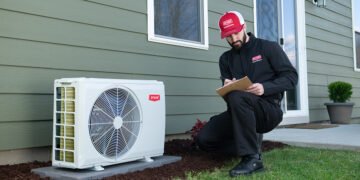
Heat pumps provide heating by transferring thermal energy rather than relying exclusively on traditional fuel-based heat generation. These systems use compressors, refrigerant circuits, reversing valves, fans, and electrical controls to maintain indoor comfort. When one of these components develops a malfunction, the equipment may experience reduced heating capacity or inconsistent operation. Common symptoms include insufficient warmth, unusual outdoor unit noises, frequent cycling, and unexpected changes in energy consumption. Refrigerant-related problems can affect the heat transfer process, while reversing valve malfunctions may interfere with the equipment’s ability to switch between heating and cooling modes. Outdoor units also require sufficient airflow to operate properly, making regular inspection important when debris accumulates around the equipment. Defrost control problems may create additional performance concerns during colder operating conditions. Professional technicians can inspect refrigerant circuits, evaluate electrical components, test operating controls, and determine whether mechanical repairs are necessary. Proper servicing helps maintain the efficiency of heat pumps and supports reliable performance across different operating conditions.
Electrical Components and System Reliability
Electrical components control many important heating functions, including ignition, blower operation, thermostat communication, and automatic safety responses. Over time, electrical connections can loosen, wiring may deteriorate, and individual components such as capacitors, relays, switches, and circuit boards can develop faults. These problems may cause unexpected shutdowns, unusual buzzing sounds, inconsistent heating, or difficulties responding to thermostat commands. Repeated circuit breaker trips are another warning sign that should receive professional attention because they may indicate an electrical fault or an overloaded component. Homeowners should avoid repeatedly resetting a breaker without identifying the reason it has tripped. Continuing to operate equipment with an unresolved electrical problem may increase the risk of additional damage. Qualified technicians use appropriate testing equipment to examine connections, evaluate electrical performance, and identify defective components. They can also determine whether a repair or replacement is necessary to restore reliable operation. Keeping electrical components in proper condition helps protect the heating equipment and ensures that its different operating functions continue working together effectively.
The Importance of Clean Air Filters
Air filters play a valuable role in protecting heating equipment and supporting proper airflow throughout a property. Their main purpose is to capture dust, pet hair, and other airborne particles before they enter sensitive internal components or circulate through the indoor environment. As these materials accumulate, the filter gradually becomes less effective at allowing air to pass through freely. A heavily clogged filter can force the blower motor to work harder, reduce heating performance, and contribute to overheating concerns. Homeowners may notice weaker airflow, longer heating cycles, and inconsistent indoor temperatures when filters remain dirty for extended periods. Replacing or cleaning filters according to manufacturer recommendations helps maintain circulation and protects equipment from unnecessary strain. It is equally important to select an appropriate filter because some highly restrictive options may interfere with airflow if they are not suitable for the equipment. When replacing a filter does not resolve weak airflow, technicians may need to examine the blower motor, ductwork, or other internal components. Consistent filter care is a straightforward way to support reliable heating performance and maintain a cleaner indoor environment.
Preventive Maintenance for Better Performance
Preventive maintenance is essential for keeping heating equipment dependable and reducing the possibility of unexpected breakdowns. Instead of waiting until a system stops working, homeowners can schedule periodic inspections to evaluate the condition of important mechanical, electrical, and airflow components. A professional maintenance appointment may include checking thermostat accuracy, examining electrical connections, cleaning accessible components, inspecting burners, evaluating airflow, and testing safety controls. Technicians can also identify worn components that may require attention before they cause more serious operating problems. Although maintenance cannot eliminate every possible malfunction, it can reduce avoidable concerns associated with neglected filters, dirt accumulation, loose connections, and ordinary mechanical wear. Regular servicing also gives homeowners a clearer understanding of their equipment’s current condition and helps them plan future repairs or replacement decisions. Following manufacturer recommendations is important because different heating technologies have different maintenance requirements. Consistent preventive care supports efficient operation, improves equipment reliability, and helps maintain comfortable indoor temperatures without placing unnecessary stress on the heating system.
Resolving Uneven Heating Problems
Uneven heating can make indoor spaces uncomfortable even when the main heating equipment appears to be operating normally. Some rooms may receive excessive warmth while others remain noticeably colder, creating inconsistent conditions throughout the property. Several factors can contribute to this problem, including restricted vents, damaged ductwork, poor insulation, incorrect thermostat placement, and unbalanced air distribution. In some properties, furniture or household objects may block return vents and interfere with normal circulation. Other situations involve duct systems that have developed leaks or heating equipment that is not properly matched to the building’s requirements. Simply increasing the thermostat setting may not correct the underlying problem and can increase energy consumption. A professional evaluation helps determine whether airflow adjustments, duct repairs, insulation improvements, or equipment modifications are necessary. Addressing the actual cause of uneven heating makes it easier to distribute warm air effectively and maintain a more comfortable indoor environment. Proper air balancing also helps prevent certain areas from placing excessive demands on the heating equipment.
Identifying Unusual Heating System Noises
Heating equipment normally produces some operating sounds, but sudden or unusual noises can indicate that internal components require attention. Rattling may result from loose panels or unsecured parts, while squealing can be associated with worn bearings, motor problems, or damaged belts in applicable equipment. Banging noises may involve expanding ductwork, mechanical movement, or ignition-related concerns that need professional investigation. Buzzing and clicking can sometimes indicate electrical or control problems. Paying attention to when a sound occurs can help technicians narrow down the possible cause. For example, noises that appear during startup may involve ignition or motor components, while sounds that continue during operation may suggest mechanical wear or airflow difficulties. Homeowners should avoid opening internal equipment compartments or attempting to adjust moving components without appropriate training. Instead, arranging an inspection allows professionals to identify the source and recommend a suitable solution. Addressing unusual sounds early can prevent additional damage and help maintain dependable equipment operation.
Improving Energy Efficiency
Energy efficiency depends on the overall condition of heating equipment, the quality of insulation, airflow, thermostat settings, and the design of the air distribution system. When important components become dirty, damaged, or improperly adjusted, the equipment may consume more energy while delivering less useful warmth. A restricted filter, malfunctioning blower motor, leaking duct, or inaccurate thermostat can all contribute to inefficient operation. Professional servicing helps identify these problems and restore normal equipment performance through appropriate repairs and adjustments. Homeowners can support these improvements by replacing filters regularly, keeping vents clear, sealing unnecessary air leaks, and maintaining suitable thermostat settings. Insulation improvements can also reduce heat loss and help indoor temperatures remain stable. When these measures are combined with properly maintained equipment, homeowners can improve comfort while reducing unnecessary energy waste. Monitoring utility bills and equipment operating patterns can also help identify unusual changes that may indicate developing mechanical concerns.
Knowing When Replacement Is Necessary
Although many heating problems can be resolved through professional repairs, some systems eventually reach a stage where replacement becomes a more practical investment. Older equipment may experience repeated breakdowns, require increasingly expensive components, or struggle to maintain comfortable temperatures. Extensive damage involving major components can also make continued repairs financially unreasonable. When evaluating repair and replacement options, homeowners should consider the equipment’s age, repair history, current efficiency, availability of replacement parts, and estimated cost of necessary work. Repeated service visits may indicate that the system is approaching the end of its useful operating life. However, age alone should not determine whether replacement is necessary because some systems can continue operating reliably with proper maintenance. An experienced technician can inspect the equipment, explain its current condition, and compare the expected benefits of repairing or replacing it. Making an informed decision helps homeowners avoid unnecessary expenses while selecting an appropriate solution for their long-term comfort requirements.
Choosing Qualified Heating Professionals
Selecting an experienced heating service provider is important because proper diagnosis and workmanship directly influence equipment performance and reliability. Homeowners should look for professionals who understand different heating technologies, use appropriate diagnostic equipment, and communicate clearly about recommended services. A dependable technician should investigate the underlying cause of a malfunction before suggesting extensive repairs or replacing major components. Clear explanations about repair options, expected expenses, equipment condition, and maintenance requirements help property owners make informed decisions. It is also beneficial to work with a company that offers comprehensive heating services, including inspections, troubleshooting, maintenance, and component replacement. Professional service should focus on restoring proper operation while considering the long-term condition of the equipment. Homeowners can also ask about applicable warranties, replacement part compatibility, and service guarantees before approving significant work. Building a relationship with a dependable service provider makes it easier to maintain equipment consistently and address unexpected problems when they develop.
Preparing Heating Equipment for Colder Weather
Preparing heating equipment before periods of heavy operation can help reduce unexpected interruptions when indoor warmth becomes especially important. A seasonal inspection provides an opportunity to replace dirty filters, examine electrical connections, check thermostat accuracy, evaluate airflow, and verify that important safety controls are functioning correctly. Homeowners should also ensure that supply and return vents remain unobstructed and that outdoor heat pump units have sufficient clearance for proper air circulation. Visible debris around outdoor equipment should be removed carefully without damaging sensitive components. Properties using fuel-burning appliances should have suitable carbon monoxide detectors installed and maintained according to safety recommendations. Scheduling professional maintenance before the heating season becomes demanding gives technicians time to identify developing concerns and recommend appropriate improvements. Homeowners can rely on professional heating system repair services to address developing equipment issues and maintain dependable heating performance. This preparation also helps homeowners understand the current condition of their equipment and plan for any necessary repairs. Taking these steps supports more dependable operation and reduces the possibility of experiencing inconvenient heating problems during periods of increased demand.
Conclusion
Maintaining reliable heating equipment requires regular attention, responsible operation, and professional care. Every heating system depends on properly functioning components, balanced airflow, accurate temperature controls, and appropriate maintenance to provide consistent indoor comfort. Recognizing warning signs, replacing dirty filters, addressing electrical problems, and scheduling preventive inspections can help reduce unexpected breakdowns and unnecessary expenses. Professional servicing ensures that equipment problems are diagnosed carefully and corrected using suitable methods and compatible components. Whether a property relies on a furnace or heat pump, taking a proactive approach to equipment care helps protect its performance and extend its useful life. With qualified service, timely maintenance, and informed repair decisions, homeowners can maintain comfortable indoor conditions, support better energy efficiency, and enjoy dependable heating performance for years to come.