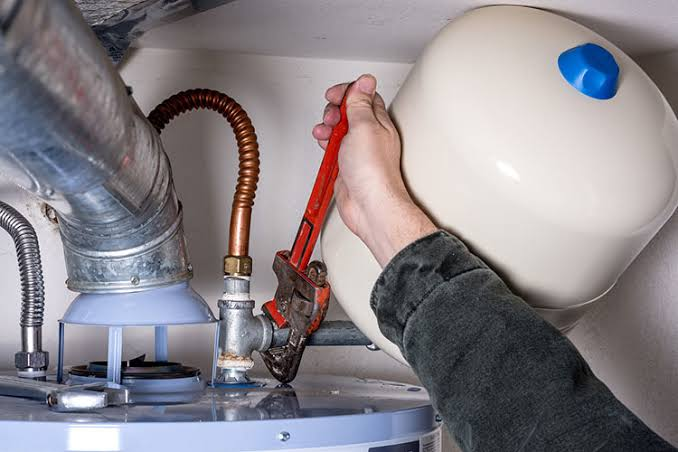
Cold showers on a winter morning are never fun, and they’re often the first clue that something’s wrong beneath the surface. A water heater that struggles to keep up with your household’s demands isn’t just an inconvenience; it’s a warning sign that shouldn’t be ignored. Understanding when to call in the professionals can save you from a complete breakdown, costly water damage, or worse, a unit that fails entirely when you least expect it.
Most homeowners don’t think about their water heater until it stops working. That’s understandable since this appliance tends to hum along quietly in a basement or utility closet, doing its job without much fanfare. But like any mechanical system, it wears down over time. Sediment builds up, components corrode, and efficiency drops. Catching these issues early means the difference between a simple fix and a full replacement.
This guide walks through the most common warning signs, what causes them, and why timely service matters for your home’s comfort, safety, and budget.
What Are the Most Common Signs of Water Heater Trouble?
A handful of symptoms tend to show up again and again when a water heater starts to fail. Recognizing them early gives you the chance to address small problems before they spiral into expensive repairs.
Inconsistent Water Temperature
If your showers swing between scalding hot and uncomfortably cold without warning, your water heater’s thermostat or heating element may be malfunctioning. This is one of the most frequently reported issues, and it usually points to a component that needs replacing rather than the entire unit.
Strange Noises Coming From the Tank
Popping, rumbling, or banging sounds often mean sediment has built up at the bottom of the tank. As this sediment hardens, it creates a barrier between the heating element and the water, forcing the unit to work harder and burn through more energy than necessary.
Discolored or Foul-Smelling Water
Rusty or murky water flowing from your taps is a red flag. It typically signals internal corrosion, which can eventually lead to leaks or a complete tank failure if left unaddressed.
Water Pooling Around the Unit
Any sign of moisture or pooling near the base of your water heater deserves immediate attention. Even a small leak can indicate a cracked tank or a failing valve, both of which require fast intervention to prevent water damage to your home.
Why Do Water Heaters Fail Over Time?
Every water heater has a lifespan, and most tank-style units last between 8 and 12 years with regular maintenance. Several factors contribute to premature wear:
- Hard water mineral buildup, which accelerates sediment accumulation inside the tank
- Lack of routine flushing, allowing debris to settle and reduce efficiency
- Corrosion of the anode rod, a component designed to attract corrosive elements away from the tank itself
- Age-related wear on seals, valves, and heating elements
Routine maintenance can extend the life of your unit considerably, but even well-maintained systems eventually need repair or replacement. Knowing the difference between a quick fix and a sign of impending failure helps you make smarter decisions about your home’s plumbing.
Is It Better to Repair or Replace an Aging Water Heater?
Deciding whether to repair your current unit or invest in a replacement depends on a few key factors: the age of your system, the frequency of past repairs, and the severity of the current issue.
If your water heater is under six years old and experiencing an isolated problem, like a faulty thermostat or a minor leak at a connection point, repair is usually the smarter and more cost-effective choice. Choose repair if the unit is relatively young and the issue is contained to a single part.
On the other hand, if your unit is nearing or past the 10-year mark and you’re facing repeated breakdowns, replacement often makes more financial sense in the long run. Choose replacement if you’re dealing with frequent failures, rising energy bills, or a tank that shows signs of significant corrosion.
A professional assessment is the most reliable way to determine which path makes sense for your specific situation and budget.
How Can Professional Service Protect Your Home and Budget?
Water Heater Repair services that restore reliable hot water, improve energy efficiency, and protect your home from unexpected plumbing issues start with a team that understands the importance of getting the job done right the first time. At Rossco Plumbing / Cooling Solutions LLC, our technicians are trained to identify the root cause of water heater issues quickly, providing dependable solutions rather than temporary fixes that leave you facing the same problem months later.
Our approach focuses on thorough diagnostics, transparent communication, and long-term solutions. Whether it’s flushing sediment buildup, replacing a worn heating element, or recommending a full system upgrade, we walk you through every option so you can make an informed decision without pressure.
Homeowners who schedule regular maintenance checks tend to experience fewer emergency breakdowns and enjoy a longer-lasting water heater overall. It’s a small investment that pays off in consistent hot water, lower utility bills, and peace of mind.
Take Action Before a Small Issue Becomes a Big Problem
Waiting too long to address water heater warning signs almost always costs more in the end, whether that’s through higher repair bills, water damage restoration, or the hassle of an unexpected cold shower. Paying attention to the signals your system sends, from strange noises to inconsistent temperatures, puts you in control of the situation rather than reacting to a crisis.
If you’ve noticed any of the warning signs covered above, don’t wait for a complete breakdown to take action. Reach out to our team at Rossco Plumbing / Cooling Solutions LLC today, and let our experienced technicians restore reliable hot water to your home quickly and affordably.
Frequently Asked Questions
How much does it typically cost to repair a water heater?
Costs vary depending on the specific issue, but minor repairs like thermostat replacement or sediment flushing are generally far less expensive than a full system replacement. A technician can provide an accurate estimate after inspecting your unit.
How long does a typical water heater repair take?
Most common repairs, such as replacing a heating element or fixing a valve, can be completed within a few hours. More complex issues may require additional time or follow-up visits.
What happens if I ignore the warning signs?
Ignoring symptoms like leaks, strange noises, or discolored water can lead to complete tank failure, water damage to your property, and significantly higher repair or replacement costs down the line.
Can regular maintenance prevent future breakdowns?
Yes. Routine flushing, anode rod inspections, and professional tune-ups can extend your water heater’s lifespan and reduce the likelihood of sudden failures.
Who should I call for water heater issues?
Always choose a licensed, experienced plumbing team for water heater repairs. Proper diagnosis and quality workmanship ensure the problem is fixed correctly and safely.