Search engine optimization has become a familiar phrase in business marketing, yet many company owners aren’t entirely sure what happens after they hire an SEO agency. They receive reports about rankings, organic traffic, technical issues, and keyword opportunities, but connecting those activities to actual business growth can be difficult. Is the agency improving the website? Creating content? Building links? And how can anyone tell whether the investment is producing meaningful results?
The SEO industry includes specialists who focus on different parts of search visibility, from technical website performance to content development and digital public relations. Some agencies provide comprehensive marketing programs, while others concentrate on particular services. Understanding how these businesses operate can help companies choose appropriate support, establish realistic expectations, and evaluate the work they’re paying for.
Why Businesses Invest in Search Engine Optimization
Most businesses want to be discovered when potential customers search for relevant products or services.
A roofing company may want to appear when homeowners research roof replacement costs. An e-commerce retailer might hope to attract shoppers comparing product features.
Search engine optimization helps businesses improve their websites so relevant pages can be discovered and evaluated by search engines.
Unlike paid advertising, organic search traffic doesn’t require a payment for every individual click.
However, SEO isn’t free.
Businesses still invest in content creation, technical improvements, research, software, and professional expertise.
The appeal is that useful website resources can continue attracting visitors after their initial development.
For example, a well-maintained educational guide may remain relevant for months or years, although its visibility can fluctuate.
This potential for ongoing value makes SEO an attractive component of long-term marketing.
How SEO Agencies Structure Their Work
SEO agencies vary considerably in size, specialization, and approach.
Some employ dedicated technical specialists, content strategists, writers, analysts, and outreach professionals.
Others operate with smaller teams where individuals manage several responsibilities.
A comprehensive campaign may involve an initial website audit, keyword research, content planning, technical recommendations, and ongoing reporting.
However, not every business needs the same combination of services.
A local restaurant may benefit from improving its business listings and location information, while a large ecommerce company might require extensive technical work involving thousands of product pages.
The best approach depends on the website’s condition, competitive environment, and business objectives.
A responsible agency should explain which activities are necessary rather than automatically recommending every available service.
What Happens During an Initial SEO Audit
An SEO audit examines a website to identify problems and opportunities affecting search visibility.
The process may involve reviewing indexing, crawl accessibility, internal links, page structure, and existing content.
For example, an agency might discover that important service pages aren’t indexed or that several older URLs redirect incorrectly.
It may also identify duplicate content, outdated information, or pages that don’t clearly address relevant search intent.
An audit should help prioritize work.
Not every issue deserves immediate attention.
A minor formatting inconsistency may be less important than an indexing restriction affecting an entire product category.
Businesses should expect an explanation of which findings matter most and why.
A long technical report isn’t particularly useful if it doesn’t lead to practical decisions.
Understanding Keyword Research and Market Demand
Keyword research helps businesses understand what potential customers search for and how those searches relate to purchasing decisions.
An agency may use research tools to estimate search demand, identify related topics, and evaluate competition.
However, keyword volume isn’t the only consideration.
A phrase attracting thousands of searches may be less valuable than a specialized query used by people actively looking for a particular service.
For example, a commercial cleaning company might attract more qualified visitors from searches about industrial floor maintenance than from broad searches about household cleaning.
Keyword research should also consider search intent.
Some users want information, while others are comparing providers or preparing to make a purchase.
Understanding these differences helps agencies recommend appropriate content and website improvements.
How SEO Strategies Are Developed
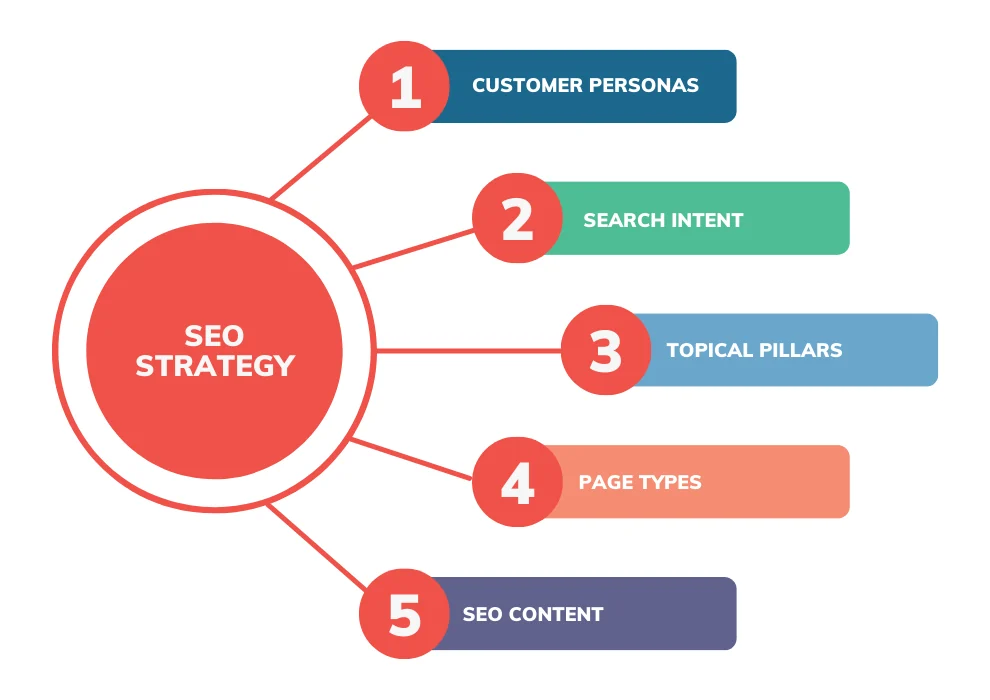
After reviewing the website and researching relevant searches, an agency should develop a plan based on the business’s priorities.
A strategy might focus on improving existing service pages, publishing educational resources, resolving technical problems, or strengthening local visibility.
For example, a regional law firm may need clearer practice-area pages and better information about the communities it serves.
An online retailer might prioritize category page optimization and internal linking.
A business-to-business software company may benefit from detailed resources addressing common customer challenges.
These approaches differ because the businesses have different audiences and purchasing processes.
An effective strategy should explain what work will be completed, why it matters, and how progress will be measured.
Without that connection, SEO can become a collection of disconnected tasks.
The Role of Technical SEO Specialists
Technical SEO specialists focus on how websites function and how search engines access their content.
Their work may involve reviewing redirects, canonical tags, indexing directives, structured data, and site architecture.
On large websites, technical issues can affect thousands of pages.
For example, an ecommerce company may accidentally generate numerous duplicate URLs through filtering and sorting features.
A technical specialist can help identify whether these pages create crawling or indexing problems and recommend appropriate solutions.
Technical SEO often requires collaboration with website developers.
An agency may identify an issue, but the business’s development team might need to implement the fix.
Clear communication between these groups is important.
Recommendations should be practical, prioritized, and supported by an explanation of their expected benefit.
How Content Teams Support Organic Growth
Content specialists help businesses create and improve information that addresses relevant searches.
This may include educational articles, service pages, product descriptions, comparison guides, and frequently asked questions.
However, content strategy involves more than assigning keywords to writers.
The team should understand what customers want to know and how the business can provide useful answers.
For example, a company selling commercial HVAC equipment might publish resources about maintenance schedules, energy efficiency, and equipment selection.
These articles can support customers at different stages of their research.
Content teams may also update existing pages rather than continuously creating new ones.
Refreshing outdated information, improving explanations, and consolidating overlapping resources can sometimes be more useful than publishing additional articles.
The goal should be quality and relevance rather than content volume alone.
Why Link Building Is Often Part of SEO
Backlinks can help search engines discover webpages and provide contextual information about relationships between websites.
For this reason, some SEO agencies include link acquisition and digital public relations in their programs.
These activities may involve researching industry publications, promoting useful resources, and contributing relevant expert information.
For example, a manufacturing company might publish an original report about production efficiency.
Industry publications discussing similar topics may find the report useful and choose to reference it.
However, backlinks aren’t guaranteed to improve rankings, and their quality varies.
Businesses should be cautious of agencies promising large quantities of links without explaining their methods.
Responsible campaigns prioritize relevance, editorial standards, and compliance with search engine guidelines.
What Businesses Receive From Professional SEO Services
A company investing in SEO services should understand the specific activities included in its agreement.
Depending on the provider, deliverables may include audits, technical recommendations, optimized webpages, content briefs, published articles, outreach campaigns, or performance reports.
Some agencies provide strategy and recommendations but rely on the client’s team to implement changes.
Others handle content creation and website updates directly.
These differences can significantly affect the amount of work required from the business.
Before signing an agreement, clarify who is responsible for implementation, how deliverables are approved, and whether additional development or content costs are included.
A well-defined scope helps both parties understand what success requires.
It also reduces the likelihood of disagreements about work that wasn’t included in the original arrangement.
Understanding Different SEO Pricing Models
SEO agencies commonly use several pricing structures.
Monthly retainers provide ongoing support for a recurring fee.
Project-based arrangements may cover a website audit, technical cleanup, or a defined content initiative.
Hourly consulting can be appropriate when a business needs specialized guidance or occasional assistance.
Pricing depends on the complexity of the website, the competitive environment, and the amount of work involved.
A small local business generally has different requirements from an international ecommerce company.
However, price alone doesn’t establish quality.
An inexpensive program may provide limited strategic attention, while a costly engagement may include services the business doesn’t need.
Companies should compare the actual scope, expertise, communication, and reporting rather than relying exclusively on monthly fees.
Why SEO Contracts Need Clear Expectations
SEO agreements should explain what the provider will deliver and how the relationship will operate.
Important considerations include the scope of work, reporting frequency, implementation responsibilities, and procedures for approving content or website changes.
Businesses should also understand whether the agency requires a minimum contract period.
Some SEO initiatives take several months to implement and evaluate, but contract terms should still be transparent.
Ask what happens if priorities change or the business needs to end the engagement.
Ownership is another important consideration.
Companies should retain appropriate access to their websites, analytics accounts, and business information.
Clear agreements protect both the agency and the client by establishing realistic expectations from the beginning.
How SEO Agencies Measure Performance
SEO reporting often includes rankings, organic traffic, search impressions, and technical improvements.
These measurements help explain how a website is performing, but they don’t always reveal the full business impact.
A company may receive more visitors without generating additional sales.
Alternatively, a smaller increase in highly relevant traffic could produce meaningful inquiries.
For example, a commercial equipment supplier might care more about qualified quote requests than visits to a general informational article.
Agencies should connect performance measurements to business objectives whenever possible.
Google Search Console can provide search visibility data, while analytics platforms and customer relationship management systems may help track conversions.
However, attribution is rarely perfect.
A customer might discover a company through organic search and return later through another channel before making a purchase.
Understanding the Difference Between SEO and Paid Advertising
SEO and paid advertising can both help businesses reach potential customers, but they operate differently.
Paid search campaigns allow advertisers to compete for placements associated with selected searches.
Businesses typically pay when users click their advertisements, depending on the advertising model.
SEO focuses on improving organic visibility without paying the search engine for each organic click.
However, organic rankings aren’t purchased or guaranteed.
SEO also requires ongoing investment in content, technical maintenance, and other improvements.
Paid advertising can provide visibility relatively quickly, while SEO often takes longer to develop measurable results.
Neither approach is universally better.
Some businesses benefit from combining both methods, using advertising for immediate campaigns while developing organic visibility over time.
Why Communication Matters in Agency Relationships
SEO can involve unfamiliar terminology, technical recommendations, and performance changes that aren’t immediately obvious.
This makes communication particularly important.
An agency should explain what it’s doing in language the business owner can understand.
For example, instead of simply reporting that canonical tags were updated, the provider could explain that the changes help search engines identify preferred versions of similar pages.
Regular communication also allows businesses to share important developments.
New products, service expansions, seasonal promotions, and changes in customer demand can influence SEO priorities.
A productive relationship involves collaboration rather than one party delivering reports that nobody discusses.
Businesses should feel comfortable asking questions about recommendations and expected outcomes.
Recognizing Warning Signs When Hiring an Agency
Certain promises deserve skepticism.
An agency claiming it can guarantee the top position on Google is making a promise it cannot reliably control.
Similarly, providers offering hundreds of backlinks for a small fee may rely on practices that create unnecessary risk.
Businesses should also be cautious when agencies refuse to explain their methods or provide meaningful information about completed work.
Another warning sign is an excessive focus on rankings without discussing relevant traffic, conversions, or business goals.
A trustworthy provider should acknowledge uncertainty and explain the reasoning behind its recommendations.
SEO involves professional judgment, but that doesn’t mean clients should be expected to accept every decision without explanation.
Transparency is an important part of evaluating an agency’s credibility.
How Businesses Can Support Their Own SEO Success
Hiring an agency doesn’t eliminate the need for business involvement.
Owners and employees often possess knowledge that outside specialists cannot easily reproduce.
A construction company understands common project complications. A medical equipment supplier knows which product features customers frequently misunderstand.
Sharing this expertise can help content teams create more accurate and useful resources.
Businesses can also support implementation by providing timely approvals, maintaining website access, and communicating changes to products or services.
Customer service teams may offer particularly useful insights because they hear recurring questions and concerns directly.
These observations can inform content planning and website improvements.
SEO often works best when agency expertise is combined with practical knowledge from the business itself.
Making SEO an Investment in Long-Term Growth
The SEO industry includes many specialized activities, but their purpose should remain connected to business outcomes.
Technical improvements help websites function properly. Content development addresses customer questions. Link building can introduce useful resources to relevant audiences. Reporting helps businesses understand progress and make informed decisions.
Successful SEO requires coordination between these activities rather than treating each as an isolated task.
Businesses should choose providers that communicate clearly, explain their methods, and establish realistic expectations.
Search rankings can fluctuate, and no agency can guarantee permanent results.
However, a thoughtful strategy can help a company develop useful website resources, improve accessibility, and create additional opportunities for customers to discover its services.
When businesses understand what they’re investing in and why the work matters, SEO becomes easier to manage as part of a broader marketing strategy.