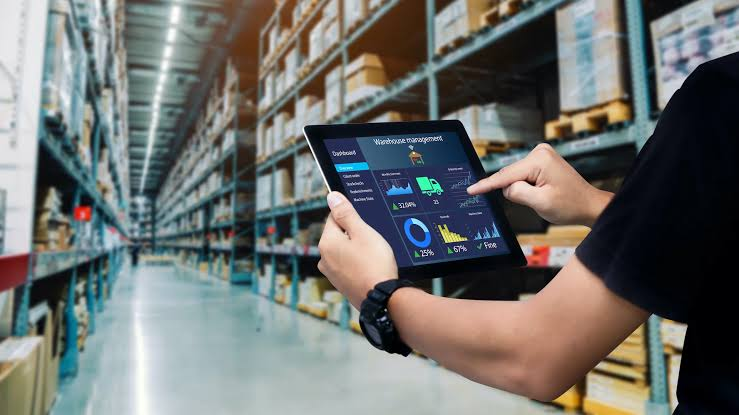
Logistics has always been about getting products from one place to another. However, the way customers judge a logistics service has changed considerably. Delivering a package on time is still important, but people now expect much more. They want to know where their orders are, when they will arrive, and what happens if something goes wrong.
These expectations have pushed logistics companies to rethink how they operate. Technology is no longer simply a tool for managing deliveries or keeping warehouse records. It has become an important part of the overall customer experience, influencing everything from communication to operational efficiency.
From real-time tracking to artificial intelligence, several technological developments are changing how logistics businesses work and how customers interact with them.
Real-Time Visibility Is Changing Customer Expectations
One of the biggest changes in modern logistics is the growing demand for shipment visibility. Customers no longer want to wait for a delivery confirmation or contact a company just to find out where an order is.
Real-time tracking systems have made it easier to follow shipments throughout their journey. Businesses can share updates when an order leaves a warehouse, reaches a distribution centre, or is out for delivery. These updates give customers a clearer picture of what is happening without requiring constant communication with customer service teams.
For logistics providers, this also reduces the pressure of responding to routine enquiries. When customers can access reliable information themselves, employees have more time to deal with complicated issues that require personal attention.
However, visibility is only useful when the information is accurate. An outdated tracking status or an unrealistic delivery estimate can create more frustration than having no update at all. This makes reliable data and communication systems essential to a positive customer experience.
Data Is Becoming One of Logistics’ Most Valuable Assets
Every shipment generates information. There are order details, delivery addresses, carrier records, inventory updates, invoices, and various documents that need to move between different parties.
Managing this information effectively can make a significant difference to logistics operations. When data is organised and accessible, businesses can make better decisions, identify potential delays, and communicate more clearly with customers.
The challenge is that logistics companies often work with several systems at once. A warehouse may use one platform, a transport provider another, and the customer service team a completely different application. When these systems do not communicate properly, employees may need to enter the same information multiple times or manually check different sources.
These gaps can lead to delays, inconsistent records, and avoidable mistakes.
Connecting business systems helps reduce these problems. It allows relevant information to move between departments and gives employees a more complete view of ongoing operations. Good data management may not always be visible to customers, but its impact can be felt through fewer errors and more dependable service.
How Automation and AI Are Supporting Modern Logistics
Automation has already changed many parts of the logistics industry. Warehouse management systems, automated sorting equipment, and digital inventory tools have helped businesses handle larger volumes of work with greater consistency.
Artificial intelligence is taking these capabilities further, particularly in areas involving information processing and administrative work.
For example, logistics companies deal with large numbers of invoices, shipping documents, emails, and delivery records. Reviewing these materials manually can consume considerable time, especially when information arrives in different formats or contains inconsistencies.
AI-powered tools can help extract information, organise documents, identify discrepancies, and support routine administrative processes. Employees can then spend less time searching through paperwork and more time handling issues that require experience or judgment.
There is also growing interest in how logistics businesses can introduce these capabilities without disrupting their existing operations. For companies exploring this direction, understanding AI adoption in third-party logistics offers useful context on how technology can fit into established logistics environments.
The important point is that automation should solve genuine operational problems rather than simply introduce new technology for its own sake. When applied appropriately, it can help businesses improve consistency and respond to customer needs more effectively.
Why Human Judgment Still Matters in a Technology-Driven Industry
With so much attention given to automation, it is easy to assume that technology will eventually handle most logistics activities independently. In reality, the industry still depends heavily on human experience.
Consider what happens when a delivery is delayed because of severe weather, a vehicle breakdown, or an unexpected customs issue. A tracking system might identify that a shipment has stopped moving, but resolving the situation often requires communication, negotiation, and practical decision-making.
Customers also have different needs. A business waiting for an urgent replacement part may have very different priorities from someone expecting a routine online purchase. Understanding these circumstances requires more than following a standard automated process.
Technology works best when it supports employees rather than removing the human element entirely. Automated systems can handle repetitive updates and organise information, while experienced staff focus on unusual situations and customer relationships.
This balance is particularly important when something goes wrong. A timely, helpful response from a knowledgeable employee can make a significant difference to how a customer remembers the experience.
Building a More Connected Logistics Experience
As logistics operations become more complex, connected technology is becoming increasingly important.
A delivery does not involve just one company or department. It may require coordination between manufacturers, warehouses, freight carriers, customs agents, distributors, and retailers. Each participant needs access to relevant information to keep things moving.
When communication is fragmented, even a relatively straightforward shipment can become difficult to manage. Employees may spend valuable time chasing updates, checking records, or correcting information that has already been entered elsewhere.
Connected digital systems can make these interactions smoother. Better integration allows businesses to share relevant updates, maintain more consistent records, and coordinate activities across different stages of the supply chain.
This also creates opportunities for businesses to understand their operations more clearly. By reviewing information from different parts of the delivery process, managers can identify recurring problems, recognise inefficient processes, and make more informed decisions about future improvements.
For growing companies, this matters because operational complexity often increases alongside order volumes. Systems that work well for a small operation may become difficult to manage when a business starts serving more customers, working with additional suppliers, or expanding into new markets.
Building a connected digital environment can help businesses prepare for that growth without making everyday operations unnecessarily complicated.
Technology Is Reshaping the Future of Logistics
The logistics industry is changing because customers expect more transparency, reliability, and convenience than ever before. Meeting these expectations requires more than faster vehicles or larger warehouses. It also requires better information, smarter systems, and more effective communication.
Real-time tracking, connected data platforms, automation, and artificial intelligence each contribute to this transformation. None of them is a complete solution on its own, but together they can help businesses deliver a more dependable service.
At the same time, technology cannot replace the value of human experience. Logistics will always involve unexpected situations that require flexibility, communication, and sound judgment.
The companies most likely to succeed will be those that understand how to combine both. By using technology to remove unnecessary friction while allowing people to focus on meaningful decisions, logistics businesses can build operations that are not only more efficient but also better suited to what customers expect today.