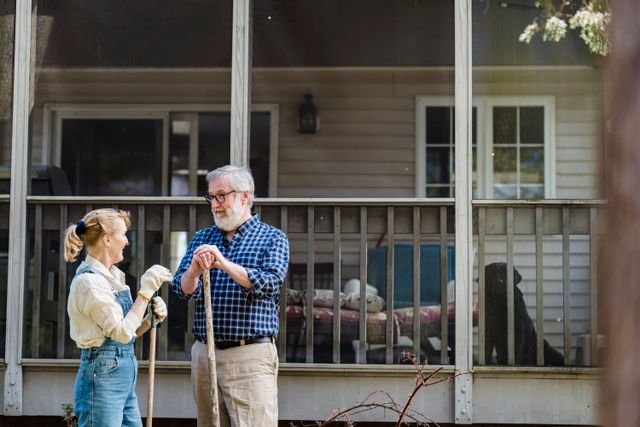
What makes the difference between simply growing older and truly enjoying each stage of life? The answer often lies in the environment and community surrounding you. Senior living communities have evolved significantly over the past decade, moving beyond outdated stereotypes of quiet, isolated settings. Today’s senior living options encourage connection, purpose, and participation by providing opportunities for social interaction, life enrichment, and wellness that support residents’ interests and goals.
1. Structured Social Programs and Events
Senior living communities typically offer a full calendar of social events that bring residents together and encourage meaningful connections. These programs may include fitness classes, educational presentations, entertainment performances, discussion groups, and community outings. A community might host a weekly book club, monthly dinner gathering, or seasonal celebration that residents look forward to attending.
Regular social interaction helps reduce feelings of isolation, which can affect emotional well-being and quality of life for older adults. When seniors have opportunities to connect with peers who share similar experiences and interests, they often feel a stronger sense of belonging. The organized nature of these programs also makes participation easier because transportation, scheduling, and planning are often coordinated by the community.
2. Fitness and Wellness Programs Tailored to Different Ability Levels
Regular movement plays an important role in overall wellness, yet many seniors find it difficult to maintain a consistent routine without access to appropriate resources and support. Senior living communities often address this challenge by offering fitness programs designed specifically for older adults, including low-impact aerobics, water exercise classes, yoga, stretching sessions, and strength-building programs led by trained instructors.
These programs accommodate a variety of fitness levels, allowing residents to participate comfortably and confidently. Beyond traditional exercise, many communities offer walking groups, gardening opportunities, and outdoor recreation that naturally encourage movement throughout the day.
Prairie Hills at Cedar Rapids provides residents with opportunities to participate in wellness-focused programs that accommodate different interests and ability levels while encouraging regular engagement in community life.
Consistent participation in wellness programs can support balance, strength, mobility, and overall well-being.
3. Educational and Life Enrichment Opportunities
People benefit from continuing to learn, explore new ideas, and pursue personal interests throughout life. Senior living communities often partner with local educators, guest speakers, and community organizations to offer presentations and classes on a wide range of subjects.
Residents may attend discussions about history, current events, technology, art, travel, or other topics that encourage curiosity and engagement. Some communities provide technology education designed to help seniors stay connected with family and friends through digital tools.
Creative outlets such as painting, music, writing, crafting, and other life enrichment programs offer opportunities for self-expression and enjoyment. Volunteer opportunities may also allow residents to share their experience and knowledge with others, creating a continued sense of purpose and contribution.
4. Convenient Access to Wellness Services
Having access to wellness services close to home can make it easier for residents to address concerns promptly and maintain healthy routines. Senior living communities often provide wellness resources or coordinate services that support residents’ overall quality of life.
These services may include therapy programs, wellness assessments, medication management support, and educational resources focused on healthy aging. When wellness services are convenient and accessible, residents may feel more confident participating in community programs and pursuing their personal interests.
Access to support within the community can also make it easier for residents to remain involved in daily life while addressing changing needs as they arise.
5. Technology Integration and Lifelong Connection
Modern senior living communities increasingly incorporate technology that helps residents stay informed, connected, and engaged. Video calling platforms make it easier for residents to maintain relationships with friends and family who live far away. Technology can also provide access to virtual classes, cultural programs, educational resources, and entertainment.
Many communities offer technology instruction that helps residents become more comfortable using smartphones, tablets, and computers. These skills can open doors to new learning opportunities and provide additional ways to stay connected with loved ones and the broader community.
Access to digital tools supports both social connection and lifelong learning, creating additional opportunities for engagement beyond the community campus.
Conclusion
Senior living communities that prioritize engagement recognize that growing older does not mean stepping away from meaningful experiences or personal growth. Through social events, wellness programs, educational opportunities, accessible services, and technology resources, these communities create environments that encourage participation, connection, and purpose.
When seniors have access to supportive surroundings and opportunities to pursue their interests, they can continue enjoying rich experiences, building relationships, and contributing to their communities. The combination of social connection, lifelong learning, wellness support, and personal choice helps create a lifestyle centered on dignity, purpose, and quality of life.