A properly designed gutter system is an essential part of maintaining a home’s exterior and protecting its structure from the effects of rainwater. Gutters collect water flowing from the roof and direct it through downspouts toward suitable drainage areas, helping prevent excessive moisture from reaching siding, fascia boards, landscaping, walkways, and the foundation. Without an effective drainage system, rainwater can spill over roof edges, collect around the building, erode soil, and contribute to damage that becomes increasingly expensive to repair. Aging gutters, loose connections, improper slopes, and undersized drainage channels can create similar problems even when a home already has gutters in place. Professional gutter installation helps homeowners establish a reliable drainage system that suits the roof design, manages runoff efficiently, and supports the long-term condition of the property. By choosing suitable materials, ensuring accurate measurements, and paying attention to downspout placement, homeowners can improve water management while maintaining a clean and attractive exterior.
Understanding the Importance of a Reliable Gutter System
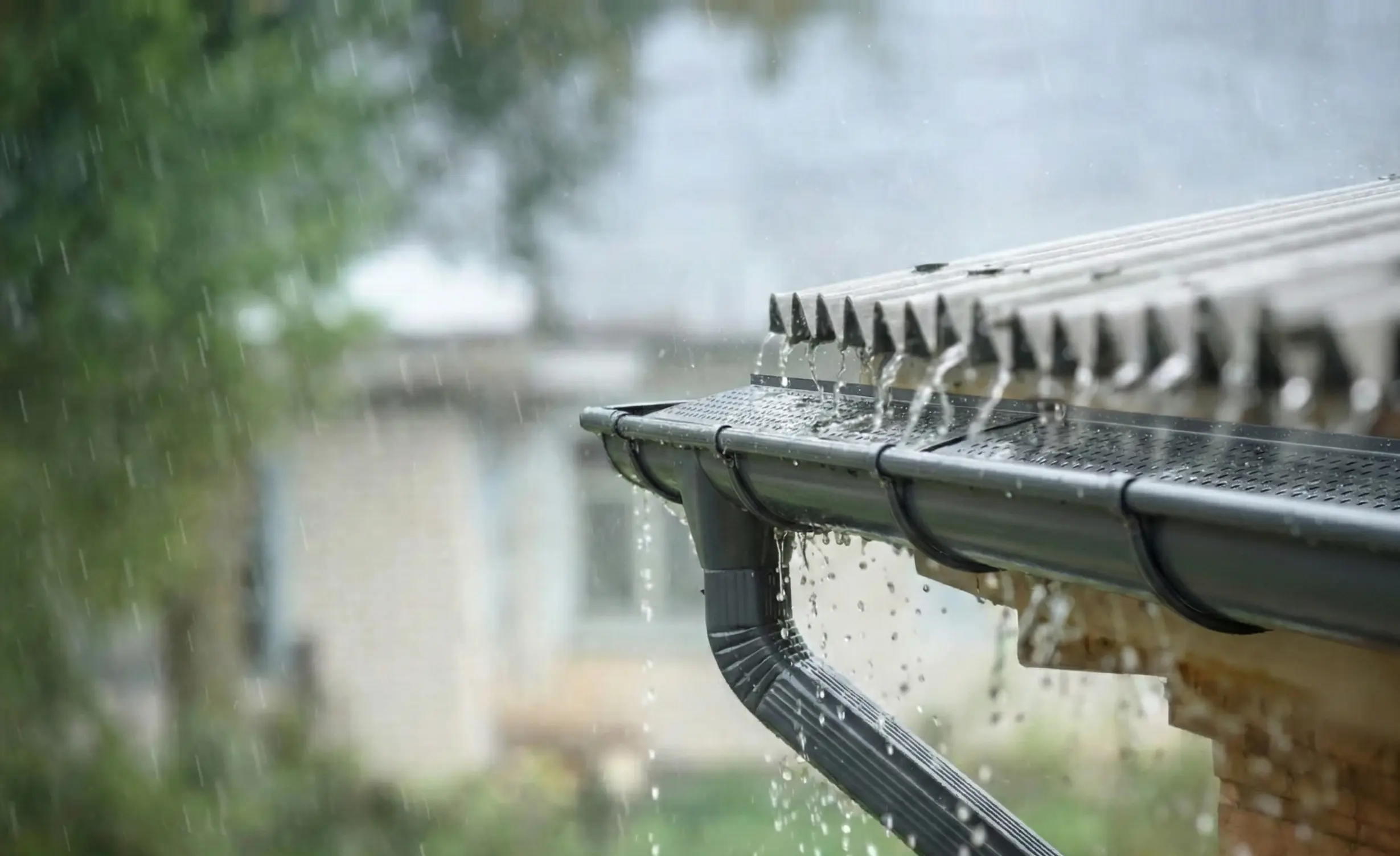
Gutters play a significant role in directing rainwater away from the building envelope and surrounding ground. During rainfall, water moves down the roof and enters the gutter channels, where it travels toward downspouts and is discharged away from vulnerable areas. Without this controlled pathway, large volumes of water may fall directly beside the home, repeatedly soaking the soil and exposing exterior materials to unnecessary moisture. Over time, uncontrolled runoff can contribute to soil erosion, damaged planting beds, staining on siding, and deterioration of wooden trim. In some circumstances, water collecting near the foundation may also contribute to basement dampness or other moisture concerns, depending on the property’s grading, soil conditions, and existing drainage arrangements.A reliable gutter system is therefore more than a finishing detail along the roofline. It is part of a broader strategy for managing rainwater and preserving the condition of exterior building materials. Properly functioning gutters can help reduce the amount of water that reaches fascia boards, windows, doors, and wall surfaces while directing runoff toward appropriate discharge points. However, gutters must be correctly sized, securely attached, and positioned with suitable slopes to function effectively. Downspouts must also remain clear and discharge water where it can drain safely away from the structure. When these components are planned and installed together, the system can provide dependable drainage and help homeowners avoid preventable exterior maintenance problems.
Choosing the Right Gutter Materials for Long-Term Performance
Selecting the right gutter material is an important decision because the system remains exposed to rain, sunlight, temperature changes, wind, and environmental debris throughout the year. Aluminum gutters are widely used because they are relatively lightweight, resistant to corrosion, and available in numerous colors that complement different exterior designs. They can provide a practical combination of durability, appearance, and manageable maintenance when installed correctly. Steel gutters offer strength for certain applications, although the type of coating and maintenance requirements should be considered to reduce the risk of corrosion. Copper gutters provide a distinctive appearance and can develop a natural patina over time, making them suitable for homeowners who want a particular architectural finish and are prepared for the associated material cost.Vinyl gutters are another option for some residential properties because they are lightweight and do not rust. Their suitability depends on product quality, exposure conditions, and the manufacturer’s installation requirements, particularly where temperature changes may affect expansion and contraction. Material selection should also account for the size and layout of the roof, the amount of rainfall the system must manage, and the availability of compatible fittings and downspouts. Homeowners should compare the complete cost of ownership rather than focusing only on the initial purchase price. A durable product that suits the property’s drainage requirements can provide better long-term value than a less suitable system that needs frequent adjustments or premature replacement.
Planning the Gutter Layout Before Installation
Careful planning helps ensure that gutters collect roof runoff efficiently and move water toward appropriate discharge points. Before work begins, the roofline should be assessed to determine the length of each gutter run, the location of corners, and the most practical positions for downspouts. Roof size, slope, valleys, and the way different roof sections meet can affect how much water reaches particular sections of the system. Areas where several roof surfaces direct runoff into one location may require additional attention because they can receive a larger volume of water during heavy rainfall. A properly planned layout considers these differences instead of treating every section of the roof as though it produces the same amount of runoff.The slope of each gutter run is another important factor because water must move toward the outlet rather than remain trapped in low areas. If the slope is insufficient or uneven, standing water may accumulate, encouraging dirt and debris to settle inside the channel. Excessive or inconsistent slope can also affect appearance and performance. Installers should measure carefully and determine the most suitable arrangement for the building while maintaining a neat roofline. Downspout locations should be planned so that water can be discharged away from the foundation and does not repeatedly flood entrances, walkways, or landscaped areas. Taking time to plan the system before installation reduces the likelihood of drainage problems and unnecessary modifications later.
Preparing the Roofline and Fascia for New Gutters
The condition of the roofline and supporting fascia boards should be assessed before new gutters are installed. Gutters depend on secure attachment points to support their own weight along with the water and debris they may contain. If fascia boards are cracked, rotting, loose, or otherwise deteriorated, the gutter system may not remain stable under normal operating conditions. Installing new gutters without addressing these defects can lead to sagging sections, separated joints, and recurring maintenance problems. A thorough inspection helps identify the repairs that should be completed before installation begins and provides an opportunity to evaluate related components around the roof edge.Preparation may also involve removing old gutters, checking existing attachment points, and inspecting areas where roof coverings, drip edges, and fascia meet. These components must work together so that rainwater enters the gutter rather than running behind it or soaking exposed wood. Damaged trim and deteriorated supporting materials should be repaired as necessary, while any visible drainage concerns should be addressed before the new system is fitted. Homeowners should also consider whether existing soffits, roof edges, and exterior finishes require attention as part of the project. Proper preparation supports a stronger installation and helps ensure that new gutters are attached to sound materials instead of concealing defects that could compromise their performance.
Why Accurate Installation Techniques Matter
Correct installation is essential for achieving reliable drainage and maintaining the appearance of the exterior. Gutters must be measured accurately, cut to suitable lengths, aligned consistently, and secured using appropriate hangers or fastening systems. The spacing and type of supports should follow the manufacturer’s recommendations and account for the gutter material, roofline, and expected environmental loads. If supports are too widely spaced or improperly attached, sections may sag when carrying water or debris. Loose connections and poorly fitted corners can also create leaks that gradually stain siding or damage the materials surrounding the gutter system.Joints, end caps, corners, and downspout outlets require particular attention because these locations can become vulnerable when components are incorrectly aligned or sealed. Installers should follow product-specific instructions for joining sections and managing expansion where the selected material requires it. The completed system should be checked for consistent slope, secure attachment, unobstructed outlets, and proper connections to the downspouts. Water should move through the channels without persistent pooling or unexpected leakage. Professional workmanship helps reduce the risk of these problems and provides homeowners with a system designed to function as part of the home’s overall exterior drainage arrangement.
Managing Rainwater With Proper Downspout Placement
Downspouts are just as important as the gutters themselves because they carry collected rainwater from the roofline toward suitable discharge areas. Even a well-installed gutter system can cause problems if downspouts are too few, poorly positioned, blocked, or directed toward vulnerable parts of the property. Water released directly beside the foundation may saturate nearby soil and contribute to persistent moisture concerns. Discharge near walkways can also create slippery surfaces, while poorly managed runoff may erode landscaping or collect in low areas. Planning downspout locations carefully helps ensure that water leaves the roofline and reaches an area where it can drain safely.Depending on the property’s layout, suitable drainage improvements may include downspout extensions, splash blocks, or other systems designed to move water farther away from the building. The correct solution depends on the slope of the ground, soil conditions, local drainage requirements, and the position of nearby structures. Homeowners should avoid directing runoff onto neighboring properties or public walkways where it could create additional problems. If water repeatedly collects near the house despite functioning gutters, the underlying grading and drainage conditions may need further evaluation. A coordinated approach to gutters, downspouts, and ground drainage provides better protection than focusing on the roofline alone.
Preventing Common Gutter Problems Through Maintenance
Although a properly installed gutter system can provide dependable performance, regular maintenance remains necessary to keep it working effectively. Leaves, twigs, roof granules, and other debris can accumulate inside the channels and gradually restrict water flow. When blockages form near outlets, rainwater may overflow the gutter and soak fascia boards, siding, and soil beneath the roofline. Periodic cleaning and inspection help identify these problems before they become more disruptive. The required maintenance frequency depends on surrounding vegetation, roof conditions, weather patterns, and whether the system includes protective products designed to limit debris accumulation.Homeowners should also watch for signs of physical deterioration, including loose hangers, separated joints, corrosion, visible holes, sagging sections, and water stains beneath the gutters. Changes in drainage during rainfall may indicate a blockage, incorrect slope, or inadequate system capacity. Downspouts should be checked to confirm that water can pass through them freely and that discharge points remain unobstructed. Maintenance should always be performed with safety in mind, particularly when the roofline is high or access is difficult. Professional assistance can help reduce the risks associated with ladder work and allow less accessible sections to be inspected more thoroughly. Consistent care helps extend the useful life of the system and supports reliable water management.
Improving Exterior Protection With Gutter Guards
Gutter guards can provide an additional layer of protection by reducing the amount of leaves and larger debris that enters the drainage channels. Several designs are available, including mesh screens, perforated covers, and other protective systems that allow water to pass while restricting debris. Their effectiveness depends on the material, the size of the openings, the roof design, and the environmental conditions surrounding the property. Homes near trees that shed frequently may benefit from a suitable protective system, although the product should be selected according to the types of debris likely to reach the roof. Gutter guards can reduce some cleaning requirements, but they do not eliminate the need for inspection or resolve defects in the underlying gutter system.It is generally best to evaluate gutter protection as part of the overall drainage plan rather than as an isolated upgrade. Before guards are added, the gutters should be secure, correctly sloped, and free from existing blockages or damage. Downspouts should also be checked to ensure that water can move through the system without restriction. Homeowners considering exterior improvements can explore relevant services through gutter installation when assessing their gutter and roofline maintenance needs. Combining appropriate protection products with proper installation and routine inspection can help maintain water flow while reducing the likelihood of debris-related problems.
Coordinating Gutters With Roofing and Exterior Improvements
Gutters work alongside roofing, fascia boards, soffits, siding, and other exterior components, so their condition should be considered when planning broader property improvements. Roof edges must guide rainwater toward the gutters, while flashing and related details help prevent water from entering vulnerable transitions. If roof coverings are damaged or drip-edge details are poorly arranged, runoff may bypass the gutters or reach areas that are not designed to remain wet. Similarly, deteriorated fascia boards may weaken the attachment points supporting the drainage system. Inspecting these components together allows homeowners to identify related issues and plan repairs in a sensible order. Coordinating exterior work can also reduce the possibility of damaging newly installed materials during later projects. If a home requires roof repairs, fascia replacement, or siding improvements, these needs should be considered before finalizing the gutter layout. Contractors can then assess attachment requirements, drainage transitions, and clearances to ensure that the different components work together. A complete exterior maintenance plan may also include checking downspouts, cleaning existing channels, and addressing ground drainage near the foundation. When the roofline and drainage system are treated as connected parts of the same structure, homeowners can make more informed decisions and reduce the risk of recurring water-management problems. Professional gutter installation can help ensure that the drainage system is properly fitted and works effectively with the home’s other exterior components.
Conclusion
A dependable gutter system is essential for directing rainwater away from the roofline, protecting exterior materials, and reducing unnecessary moisture around the foundation. Choosing suitable materials, planning the layout carefully, preparing the supporting fascia, and using correct installation techniques all contribute to reliable long-term performance. Downspouts must be positioned appropriately, gutters should maintain a consistent slope, and water should be discharged where it can drain safely away from vulnerable areas. Regular inspections and cleaning also help identify blockages, leaks, and loose components before they lead to more extensive repairs. By coordinating gutter work with roofing, siding, fascia, and other exterior maintenance, homeowners can establish a more complete approach to protecting their property. A carefully planned gutter installation provides an important foundation for effective rainwater management, helping preserve the home’s appearance, support exterior durability, and reduce avoidable drainage concerns over time.