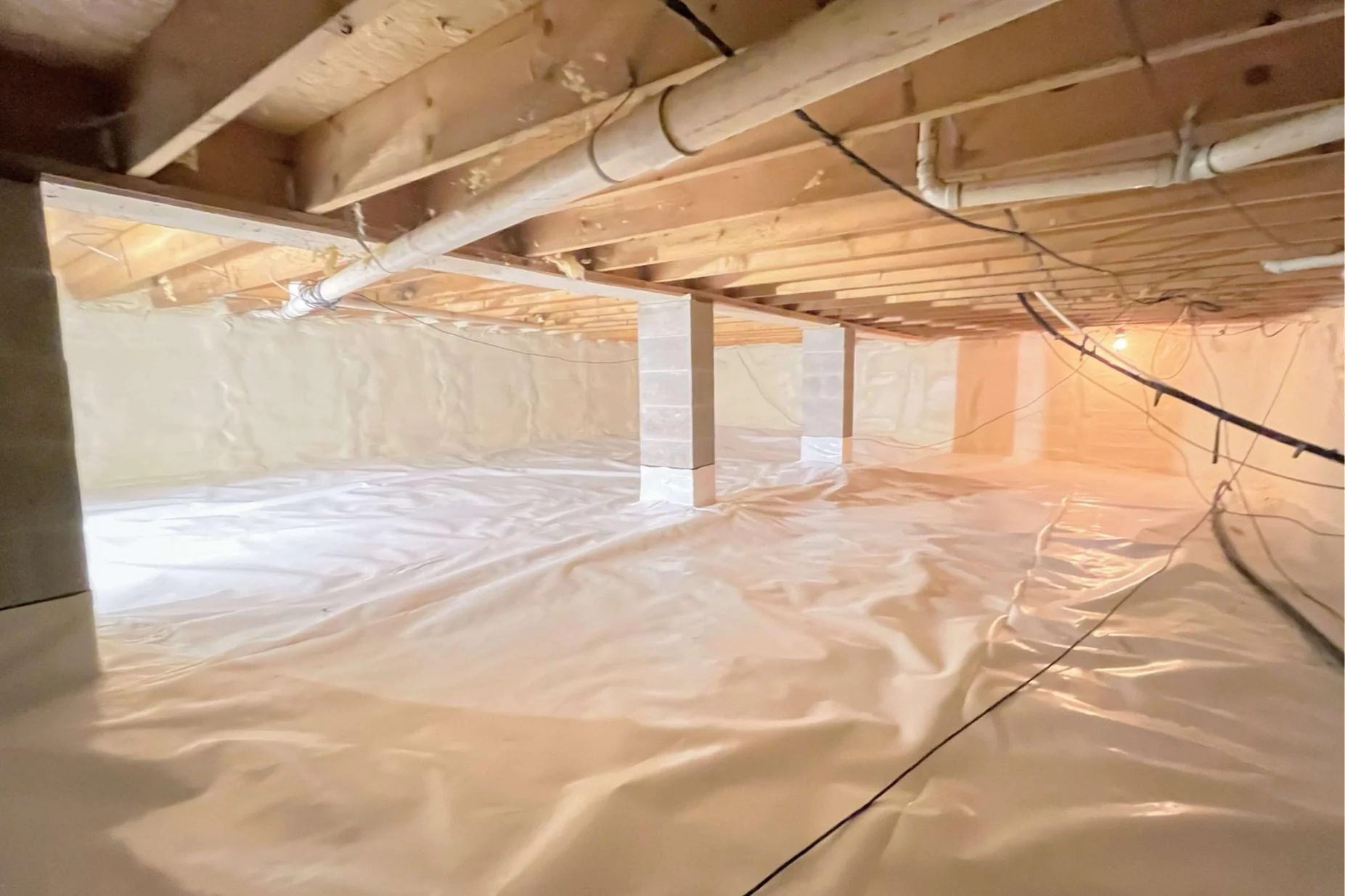
A home’s crawl space plays an important role in protecting the structure, supporting essential building systems, and influencing indoor comfort. Although this area is often hidden from everyday view, moisture, standing water, excessive humidity, and poor ventilation can create problems that gradually affect the entire property. Damp crawl spaces may contribute to musty odors, wood deterioration, insulation damage, and conditions that encourage mold growth. These issues can become more difficult to manage when moisture continues entering through exposed soil or foundation walls. Homeowners can reduce these risks by understanding how crawl space conditions affect their buildings and taking appropriate steps to control moisture before it causes extensive damage. A properly designed encapsulation system can create a protective barrier between the ground and the interior environment, helping maintain a cleaner, drier, and more manageable space beneath the home.
Understanding Crawl Space Problems
Crawl spaces are commonly constructed beneath homes to provide access to plumbing, electrical components, structural supports, and other essential building systems. Because these areas are located close to the ground, they can be exposed to moisture from soil, rainwater, groundwater, and humid outdoor air. When moisture accumulates without an effective method of control, the crawl space may remain damp for extended periods. Wooden joists, support beams, subflooring, and insulation can become vulnerable to deterioration when exposed to persistent moisture. Homeowners may not immediately recognize these problems because the affected materials are hidden beneath the living areas, allowing damage to develop before visible symptoms appear inside the house.Poor drainage and inadequate moisture barriers are among the most common reasons crawl spaces develop persistent humidity problems. Water may enter through foundation openings, collect in low areas, or move upward from exposed soil as water vapor. Damaged gutters, improperly positioned downspouts, and ground surfaces that direct rainwater toward the building can increase the amount of moisture surrounding the foundation. In some situations, humid outdoor air enters a cooler crawl space and creates condensation on pipes, insulation, or other surfaces. These conditions can affect the performance of building materials and create an environment where mold may develop if moisture remains uncontrolled. Identifying the source of the problem is essential because an effective solution must address both existing moisture and the conditions that allow it to accumulate.
What Crawl Space Encapsulation Does
Crawlspace encapsulations involve creating a continuous moisture-control barrier within the crawl space to help limit water vapor entering from the ground and reduce unwanted moisture exposure. The process commonly includes installing a durable vapor barrier over exposed soil, sealing suitable seams and penetrations, and addressing openings where humid air or moisture can enter. Depending on the property’s condition, the work may also involve insulating appropriate surfaces, sealing selected vents, improving drainage, or installing a dehumidification system. The exact design depends on the building’s construction, climate, existing ventilation arrangement, and moisture conditions. When properly planned and installed, encapsulation can help create a more controlled environment beneath the home and protect vulnerable structural materials from persistent dampness.A vapor barrier is one of the central components of many encapsulation systems because exposed soil can release substantial amounts of moisture into the crawl space. A properly selected membrane covers the ground and is installed with appropriate overlaps, sealed seams, and careful detailing around support columns and other obstructions. In some installations, the barrier is extended along foundation walls to create a more complete moisture-control system. However, a ground membrane alone may not resolve problems caused by active leaks, standing water, or water entering through foundation openings. Those issues should be investigated and addressed as part of the overall project. Combining the appropriate barrier with drainage improvements and humidity management helps produce a more reliable result than installing a membrane without evaluating the surrounding conditions.
Protecting Structural Wood
Wooden structural components are particularly vulnerable to prolonged exposure to moisture because damp conditions can contribute to deterioration and create favorable conditions for fungal growth. Crawl spaces often contain floor joists, beams, sill plates, and subfloor materials that support the living areas above. When humidity remains high or water repeatedly contacts these components, the wood may develop stains, unpleasant odors, surface deterioration, or other signs of moisture damage. In severe cases, prolonged dampness can contribute to decay that affects the strength of structural elements. Regularly inspecting these areas and correcting moisture problems can help homeowners identify concerns before they require more extensive repairs.Encapsulation can support the protection of structural wood by limiting moisture vapor from the soil and helping control the crawl space environment. However, existing leaks, damaged plumbing, wood decay, and other sources of moisture must also be addressed to achieve lasting improvement. Before covering foundation surfaces or installing a new membrane, professionals should inspect accessible structural components for signs of deterioration and determine whether damaged materials require treatment or replacement. If the crawl space contains significant wood decay or suspected structural weakness, a qualified professional should evaluate the affected areas and recommend appropriate repairs. Combining moisture control with necessary structural maintenance helps protect the building’s supporting components and reduces the likelihood of recurring damage.
Improving Indoor Air Quality
The condition of a crawl space can influence the comfort and air quality of the living areas above it. Moisture-related odors, airborne particles, and gases from the ground may enter the home through gaps around flooring, plumbing penetrations, and other openings. When a crawl space remains damp, the environment may also support mold growth on susceptible materials, potentially contributing to unpleasant odors and indoor air quality concerns. Because air can move between different parts of a building, homeowners should not assume that problems beneath the floor remain isolated from the rest of the property. Managing crawl space moisture is therefore an important part of maintaining a healthier indoor environment.An effective encapsulation system can help reduce ground moisture entering the crawl space and limit conditions that encourage mold growth. Sealing suitable openings, installing an appropriate vapor barrier, and maintaining controlled humidity can support a cleaner environment beneath the home. Nevertheless, encapsulation should not be treated as a guaranteed solution for every indoor air quality problem. Existing mold may require appropriate remediation, plumbing leaks must be repaired, and ventilation or dehumidification should be designed according to the property’s needs. In some homes, additional evaluation may be appropriate when persistent odors or air quality concerns remain after moisture-control improvements. A comprehensive approach focuses on the source of the problem rather than relying on a single product or installation to resolve every concern.
Managing Moisture and Drainage
Effective water management is essential for successful crawl space encapsulation because a vapor barrier cannot compensate for every drainage problem. If rainwater collects near the foundation, it may eventually enter the crawl space through openings or contribute to saturated soil beneath the building. Gutters and downspouts should be maintained so roof runoff is directed away from foundation walls. The ground surrounding the property should also be evaluated to determine whether its slope encourages water to drain away from the building or allows moisture to accumulate near vulnerable areas. Correcting drainage deficiencies before encapsulation can help prevent water from collecting beneath the membrane and reduce the risk of recurring dampness.When water enters the crawl space directly, additional measures may be necessary to control it effectively. Depending on the source and severity of the problem, solutions may include repairing plumbing leaks, improving exterior drainage, installing an appropriate interior drainage system, or using a sump pump where suitable. These measures should be designed around the property’s layout, groundwater conditions, and available discharge options. Homeowners should also ensure that existing drainage components remain accessible for inspection and maintenance after the encapsulation work is completed. Addressing water entry before sealing the crawl space helps create a more stable environment and reduces the likelihood that moisture will become trapped beneath the protective membrane.
The Role of Humidity Control
Even after exposed soil has been covered, humidity may remain a concern if moisture continues entering from other sources or if the crawl space lacks suitable environmental control. Humid outdoor air can condense on cooler surfaces, while plumbing leaks and residual dampness can maintain elevated humidity levels. Excessive humidity may affect insulation, metal components, wooden framing, and stored materials within the crawl space. For this reason, an encapsulation project should include an assessment of how humidity will be managed after the ground and foundation surfaces are sealed. The appropriate strategy depends on the local climate, the building’s design, existing ventilation, and whether the space has a history of recurring moisture problems.A properly selected dehumidifier can help maintain suitable humidity levels in an encapsulated crawl space when one is needed. The equipment should be appropriately sized for the space and installed with a practical plan for drainage, access, and ongoing maintenance. Homeowners should also monitor the crawl space periodically to confirm that the system is operating properly and that no new water entry has developed. Encapsulation may change the way the space exchanges air with the outdoors, so sealing vents or modifying ventilation should not be undertaken without considering the building’s moisture conditions, combustion appliances, and applicable building requirements. Professional planning helps ensure that moisture-control measures work together instead of creating new problems.
Choosing Suitable Encapsulation Materials
The materials used during encapsulation influence how effectively the system controls moisture and how well it performs over time. Vapor barriers are available in different thicknesses and construction types, with suitable options depending on the crawl space conditions, expected foot traffic, and installation requirements. A durable membrane should be selected for the intended application and installed with careful attention to seams, edges, support columns, access openings, and utility penetrations. Weak materials or poorly sealed connections may allow moisture to pass through vulnerable areas and reduce the effectiveness of the overall system. Homeowners should ask contractors to explain the material specifications and how the membrane will be protected against punctures or damage during future maintenance.Other components may include compatible seam tape, approved sealants, insulation materials, drainage products, and equipment for humidity control. Each component should be suitable for the surface and conditions where it will be used. Insulation, for example, must be selected and installed according to the building assembly and applicable requirements to avoid creating moisture problems within concealed materials. Before installation, contractors should inspect the crawl space for sharp debris, standing water, pest activity, damaged supports, and other conditions that could interfere with the work. Careful preparation and suitable materials help create a continuous moisture-control system that is easier to inspect and maintain over the long term.
Why Professional Installation Matters
Professional crawlspace encapsulations require more than laying a plastic sheet over the soil. A complete project begins with evaluating the existing crawl space, identifying moisture sources, inspecting accessible structural components, and determining which measures are necessary to control water vapor and humidity. The assessment may reveal leaking plumbing, poor exterior drainage, standing water, damaged insulation, or signs of wood deterioration that should be addressed before the membrane is installed. If these conditions are ignored, the encapsulation system may conceal existing problems without resolving their causes. A professional installation plan should explain the recommended work, the purpose of each component, and any additional repairs needed to create a suitable environment beneath the home.During installation, careful attention should be given to membrane placement, seam sealing, foundation-wall transitions, support columns, and penetrations for pipes or other utilities. The finished system should allow appropriate access to important equipment and inspection points while protecting the membrane from unnecessary damage. Contractors should also explain any changes to ventilation, insulation, or humidity control and identify the maintenance tasks required after completion. Homeowners should request a written estimate that describes the scope of work, materials, drainage improvements, equipment, and applicable warranties. Choosing a qualified professional based on experience, clear communication, and an appropriate installation plan helps homeowners avoid incomplete solutions and supports better long-term performance.
Long-Term Maintenance Benefits
Although encapsulation can reduce moisture exposure, it still requires periodic inspection to remain effective. Homeowners should check the crawl space for standing water, damaged membrane sections, loose seams, unusual odors, and signs of pest activity. Dehumidifiers, sump pumps, and other installed equipment should be maintained according to the manufacturer’s recommendations, and drainage systems should remain clear and functional. Exterior gutters, downspouts, and grading should also be inspected regularly because changes in surface drainage can introduce new moisture even after the crawl space has been encapsulated. Keeping the area accessible and maintaining records of completed work can make it easier to identify changes and arrange repairs when needed. Professional crawlspace encapsulations may also support the long-term condition of a property by helping protect insulation, stored materials, and accessible structural components from persistent dampness. A cleaner and drier crawl space can make inspections and future maintenance more manageable, while controlled moisture conditions may reduce the likelihood of recurring musty odors. However, the benefits depend on the property’s original condition, the quality of the installation, and the effectiveness of ongoing moisture management. Homeowners should avoid assuming that encapsulation eliminates every risk associated with foundation water, plumbing leaks, pests, or structural deterioration. Combining the system with routine inspections and appropriate property maintenance offers a more dependable way to protect the building over time.
Conclusion
Crawl space moisture can affect far more than the hidden area beneath a home because persistent dampness may contribute to wood deterioration, damaged insulation, musty odors, and conditions that encourage mold growth. Understanding the sources of moisture and addressing drainage deficiencies before installation are important steps toward achieving effective long-term protection. A properly designed encapsulation system can help limit water vapor from exposed soil, support humidity management, and create a more controlled environment beneath the building. When combined with appropriate drainage, suitable materials, professional installation, and regular maintenance, crawl space encapsulation can help homeowners protect structural components and maintain a healthier indoor environment. Taking a proactive approach to moisture management allows property owners to address underlying concerns, reduce recurring problems, and preserve the durability and usability of their homes for years to come.