Introduction to Home Automation
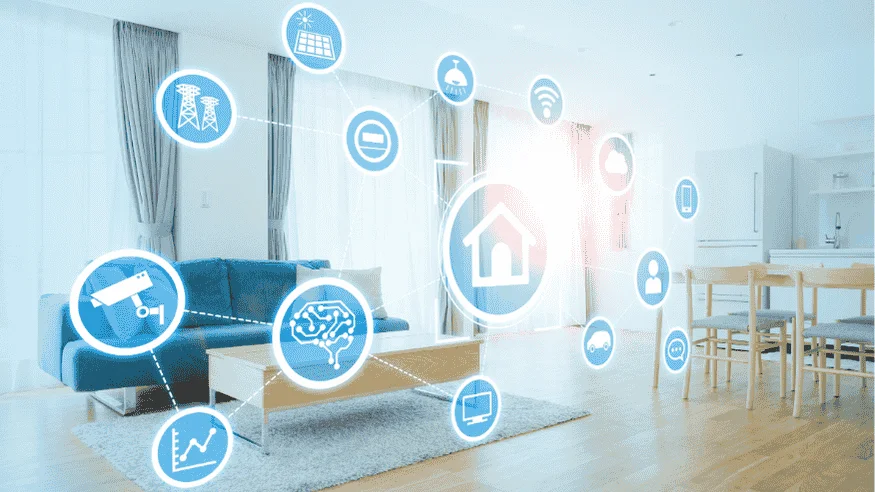
Modern homes are becoming more connected as homeowners look for practical ways to improve comfort, convenience, security, and energy management. A professional home automation company helps bring compatible smart devices together so residents can manage important household functions through a centralized system, mobile application, or voice assistant. Instead of operating every device separately, homeowners can create coordinated routines for lighting, climate control, entertainment, and access management. These improvements can simplify everyday activities, reduce repetitive tasks, and make a property more adaptable to changing household needs. Home automation is not simply about installing advanced gadgets; it involves designing a reliable system in which different components work together smoothly. The best results come from understanding how residents use their spaces, identifying the most valuable improvements, and selecting technology that is practical to operate over the long term. With careful planning and professional installation, connected technology can make ordinary household routines easier while supporting a more comfortable and organized living environment.
Understanding Smart Home Technology
Smart home technology allows household devices to communicate, respond to commands, and perform selected tasks automatically. A home automation company can help homeowners understand which devices are compatible, how they communicate, and what infrastructure is needed to support reliable operation. Common components include smart switches, automated lighting, connected thermostats, security cameras, electronic locks, speakers, sensors, and centralized controllers. Some systems operate through a single platform, while others connect multiple technologies through compatible integrations. Choosing suitable equipment requires more than comparing product features because network reliability, installation requirements, software support, and future expansion all influence the overall experience. Homeowners should consider whether they want a simple system for a few rooms or a comprehensive setup that coordinates functions throughout the property. A well-planned installation keeps controls understandable and makes it easier to add devices when needs change. By focusing on compatibility and usability, homeowners can avoid unnecessary complexity and build a smart environment that supports everyday life rather than creating additional work.
Benefits of Hiring a Home Automation Company
Professional planning can make smart home technology easier to understand and more dependable to use. A knowledgeable home automation company can assess a property’s layout, discuss the household’s priorities, recommend compatible equipment, and create a system that fits the available infrastructure. This guidance can be especially valuable when several devices need to operate together or when an existing property requires upgrades to its network or wiring. Professional installation may also reduce common problems involving poor device placement, inconsistent connectivity, confusing controls, and incomplete integration. Homeowners can receive guidance on using the system, managing permissions, troubleshooting basic issues, and maintaining devices after installation. Another important benefit is planning for future changes, since a system designed with expansion in mind may accommodate additional rooms or functions without requiring a complete replacement. The precise benefits depend on the selected equipment and the quality of the installation, so it is important to discuss expectations before work begins. A thoughtful approach helps ensure that technology delivers meaningful improvements instead of adding features that household members rarely use.
Automated Lighting for Everyday Convenience
Lighting automation is one of the most practical ways to introduce smart technology into a home. A home automation company can configure compatible switches, dimmers, sensors, and lighting controls so residents can adjust brightness according to their activities and preferences. Lighting scenes may be created for reading, cooking, relaxing, entertaining guests, or preparing for bedtime, allowing several lights to change together through a single command. Scheduling features can help selected lights turn on or off at appropriate times, while motion sensors may provide hands-free illumination in hallways or other frequently used spaces. These options can improve convenience and may help reduce unnecessary electricity use when settings are configured appropriately. Homeowners should consider the type of bulbs and fixtures already installed, the need for dimming compatibility, and whether manual switches will remain easy to operate. Outdoor lighting may also be integrated where suitable equipment and connectivity are available. A properly planned lighting system gives residents greater control over the atmosphere of their home while keeping everyday operation simple and intuitive.
Smart Climate Control and Comfort
Climate control is another important feature of a connected home because indoor temperatures influence comfort, daily routines, and energy consumption. A home automation company can help integrate compatible thermostats and environmental sensors so homeowners can manage heating and cooling more conveniently. Depending on the equipment, residents may adjust settings through an application, establish schedules, or create routines based on typical occupancy patterns. For example, a household might prefer different temperature settings during sleeping hours, workdays, and evenings at home. Some systems also support room-specific monitoring or zoning, although these capabilities depend on the existing HVAC equipment and the selected controls. Automated settings should be configured with comfort, equipment requirements, and manufacturer guidance in mind rather than relying on extreme temperature changes. Homeowners should also confirm that their thermostat is compatible with the heating and cooling system before purchasing additional equipment. When smart climate controls are selected and configured correctly, they can make temperature management more convenient and help residents understand how their everyday settings affect household energy use.
Home Security and Access Control
Connected security features can provide homeowners with more convenient ways to monitor entrances and manage access to their property. A home automation company can integrate compatible cameras, motion sensors, smart locks, door contacts, and alarm components into a coordinated system, depending on the chosen equipment. Residents may receive notifications when selected events occur, check camera views remotely, or manage approved entry methods through a secure application. Smart locks can also support temporary access codes for trusted visitors, while automated lighting may improve visibility around entryways. However, connected equipment should complement rather than replace physical security measures such as strong locks, secure doors, and properly maintained windows. Homeowners should review privacy settings, protect accounts with unique passwords, and enable multifactor authentication when available. They should also understand what happens when internet service or power is interrupted and whether backup options are provided. Integrating security with home automation can make routine monitoring easier, but reliable protection still depends on sensible configuration, responsible access management, and regular system testing.
Smart Entertainment and Audio Integration
Entertainment systems can become easier to use when compatible televisions, speakers, streaming devices, and lighting controls are connected through a coordinated platform. A home automation company can help organize these components so residents spend less time switching between remotes and separate applications. For instance, a household may create a movie scene that adjusts selected lights, prepares compatible entertainment equipment, and sets the preferred audio configuration through a single command. Multi-room audio may allow music to play in selected areas independently or throughout the home, depending on the equipment and network design. These systems can be useful during family gatherings, quiet evenings, and everyday activities where convenient access to entertainment matters. Planning should include speaker placement, network capacity, control preferences, and compatibility between existing devices and new equipment. Homeowners should also consider how guests or other household members will use the system, since complicated controls can reduce the benefits of automation. A well-integrated entertainment setup creates a more consistent experience while allowing residents to enjoy their preferred content without unnecessary technical effort.
Reliable Wi-Fi for Connected Devices
A stable network is the foundation of many smart home systems because connected devices rely on communication to receive commands, send alerts, and exchange information. A home automation company can evaluate network coverage, router placement, device capacity, and potential sources of interference before recommending improvements. Weak Wi-Fi may cause delays, dropped connections, or inconsistent responses, especially in larger properties or homes with thick walls and multiple floors. Mesh networking, suitable access points, and thoughtful equipment placement can help address coverage problems where appropriate. Network planning should also consider how many devices may operate simultaneously, including cameras, televisions, computers, phones, and smart appliances. Security is equally important: homeowners should use strong router credentials, maintain current firmware, and review the network’s security settings. Where supported, separating smart devices from personal computers can provide an additional layer of network organization. By establishing dependable connectivity before adding more automation features, homeowners can improve system performance and reduce frustration associated with unreliable device communication.
Energy Efficiency and Smarter Daily Habits
Smart technology can help households understand and manage how they use energy, although actual savings depend on the equipment, settings, property, and occupants’ habits. A home automation company may recommend automated lighting schedules, occupancy sensors, connected thermostats, and monitoring features that make it easier to identify unnecessary energy use. Lights can be scheduled to turn off in selected spaces, while climate settings can follow realistic routines instead of maintaining the same conditions throughout the day. Some compatible systems provide usage information that helps residents recognize patterns and make informed adjustments. These tools work best when settings match real household behavior; an overly aggressive schedule may reduce comfort or lead residents to disable automation altogether. Homeowners should also remember that smart controls cannot compensate for every underlying efficiency problem, such as inadequate insulation or poorly maintained equipment. A broader energy strategy may include sealing air leaks, maintaining HVAC systems, choosing efficient appliances, and improving lighting where appropriate. Automation can support these efforts by making useful habits easier to maintain consistently.
Choosing the Right Home Automation Company
Selecting a provider requires careful consideration of experience, technical knowledge, communication, installation standards, and ongoing support. Before choosing a home automation company, homeowners should identify their main goals and ask how the proposed system will address them. Useful questions include which devices are compatible, whether existing equipment can be retained, what network requirements apply, how much installation will cost, and whether subscriptions are necessary for particular features. It is also important to understand warranty coverage, software update expectations, troubleshooting arrangements, and the process for expanding the system later. A reliable provider should explain the advantages and limitations of different options instead of recommending unnecessary equipment. Homeowners may also ask whether the installer has experience coordinating lighting, security, climate control, audio, and network infrastructure as part of one project. Clear documentation and transparent pricing make it easier to compare proposals fairly. Taking time to evaluate these details can help prevent unexpected expenses and improve the likelihood that the finished system will meet household expectations.
Professional Installation and Custom System Design
Every property has different requirements, so effective automation begins with a clear assessment rather than a one-size-fits-all equipment package. A home automation company can review room layouts, existing wiring, internet coverage, electrical requirements, and the devices residents already own before developing an installation plan. The assessment may identify opportunities to automate frequently used areas first and leave less essential upgrades for a later stage. During installation, equipment must be positioned and configured according to manufacturer guidance, with attention to network connectivity, control access, and safe operation. After installation, testing should confirm that individual devices respond correctly and that integrated routines perform as expected. Homeowners should receive practical instructions for using controls, managing accounts, adjusting schedules, and responding to common alerts. It is also useful to document device names, settings, warranty information, and support contacts for future reference. A customized design helps align technology with the property’s actual needs, while thorough testing and user guidance make the system easier to manage after the installer leaves.
Privacy and Cybersecurity in Smart Homes
Connected devices can collect information about usage patterns, access events, camera activity, and household routines, making privacy an important part of automation planning. A responsible home automation company should help homeowners understand device permissions, account management, network security, and the data practices of the selected products. Residents should change default passwords, use unique credentials for important accounts, enable multifactor authentication when available, and install recommended updates. Camera placement should respect personal privacy, and recording settings should be limited to what the household genuinely needs. Homeowners should review which people have access to shared applications and remove permissions when they are no longer required. It is also sensible to choose devices from manufacturers that provide clear support information and a reasonable approach to security updates. Voice assistants and connected microphones should be configured according to household preferences, with attention to available privacy controls. These practices help reduce avoidable risks and allow residents to benefit from automation while maintaining greater control over personal information and connected equipment.
Expanding Automation Over Time
Home automation does not need to be completed all at once. Many homeowners begin with a few high-value features and expand as their needs, budgets, and familiarity with the technology change. A home automation company can help prioritize upgrades by considering compatibility, infrastructure, household routines, and the likely usefulness of each addition. A homeowner might start with smart lighting and a thermostat, then add access control, cameras, entertainment features, or environmental sensors later. Planning for expansion from the beginning can reduce duplication and make future installation more straightforward. It is important, however, to avoid purchasing devices simply because they are available or marketed as smart products. Each addition should solve a real problem, improve convenience, or provide a clearly valued capability. Periodically reviewing the system also helps identify devices that are no longer needed or features that should be configured differently. A gradual, purposeful approach allows households to spread costs over time while building a connected environment that remains practical, adaptable, and manageable.
Why Ongoing Support Matters
Even a well-designed smart home may need adjustments as software changes, network equipment is replaced, or household requirements evolve. A dependable home automation company can provide guidance on troubleshooting, system updates, device additions, and changes to existing routines. Support arrangements vary, so homeowners should understand whether assistance is available remotely, through scheduled visits, or under a maintenance plan. Clear instructions for basic tasks can also help residents resolve simple problems without waiting for professional assistance. Periodic checks may be useful for reviewing device connectivity, testing sensors, confirming that automated routines still match household schedules, and checking whether firmware updates are available. When a system depends on multiple integrated products, it is especially valuable to know which provider is responsible for diagnosing problems across the setup. Ongoing support helps preserve the value of the original installation and gives homeowners a clearer path for managing changes. A connected home should remain useful after installation day, not become difficult to operate when technology or household needs change.
Conclusion
Home automation can make everyday living more convenient by connecting lighting, climate control, entertainment, security, and other household functions through a coordinated system. The right home automation company can help homeowners select compatible technology, establish reliable network infrastructure, configure practical routines, and understand how to manage the finished installation. Success depends on careful planning, realistic expectations, responsible cybersecurity practices, and ongoing maintenance rather than simply purchasing the largest number of smart devices. Homeowners should focus on features that address genuine needs, compare providers carefully, and ensure that the system remains understandable for everyone who uses it. Professional guidance can also help prepare the property for future upgrades without unnecessary duplication or expense. With a thoughtful design and reliable support, smart technology can become a natural part of daily routines, improving control and comfort while allowing the home to adapt to changing preferences and priorities.