The quality of the air inside a building plays an important role in everyday comfort, workplace productivity, and the overall condition of an indoor environment. People spend considerable time inside homes, offices, retail establishments, and other enclosed spaces, where airborne particles, moisture, odors, and ventilation problems can affect their surroundings. Although many property owners focus on maintaining comfortable temperatures, indoor air quality deserves equal attention because clean, properly circulated air contributes to a more comfortable and well-maintained building. Dust accumulation, inadequate ventilation, dirty HVAC filters, excessive humidity, and moisture-related problems can gradually affect the air circulating throughout a property. Addressing these concerns requires more than opening windows or using an air purifier occasionally. A comprehensive approach combines effective ventilation, appropriate filtration, humidity management, source control, and professional HVAC maintenance to create a healthier indoor environment while supporting the efficient operation of heating and cooling equipment.
Understanding What Influences Indoor Air Quality
Several interconnected factors determine the condition of the air inside a building, including ventilation, airborne particles, humidity, temperature, and the presence of chemical or biological contaminants. Everyday activities such as cooking, cleaning, bathing, using household products, and operating certain appliances can introduce substances into the indoor environment. Dust, pollen, pet dander, and particles entering from outside may also accumulate when filtration and ventilation are inadequate. Maintaining good indoor air quality begins with identifying these potential sources and understanding how they move through the property. For example, an area with limited ventilation may allow odors and airborne particles to accumulate, while a space with uncontrolled moisture may develop conditions that encourage mold growth. Recognizing these influences helps property owners select practical improvements instead of relying on a single product or maintenance task to solve every problem.Building design and HVAC performance also affect how indoor air moves between rooms and how effectively unwanted contaminants are removed. A well-maintained heating and cooling system can circulate conditioned air, filter suitable airborne particles, and support ventilation when the system is designed to provide outdoor air. However, blocked vents, dirty filters, poorly maintained drainage components, and inadequate ventilation can interfere with these functions. Improving indoor air quality therefore requires an assessment of the entire indoor environment, including the building’s layout, existing equipment, moisture conditions, and everyday activities. Homeowners and business managers should pay attention to recurring odors, persistent dampness, unusual dust accumulation, and inconsistent airflow because these observations may indicate conditions that deserve further investigation. Identifying the underlying cause is often more effective than repeatedly treating the symptoms.
How HVAC Systems Support Cleaner Indoor Air
Heating, ventilation, and air conditioning equipment plays an important role in maintaining comfortable indoor conditions while helping manage the movement of air throughout a property. Depending on its design, an HVAC system may filter recirculated air, introduce outdoor air, remove stale air, regulate temperature, and control humidity. These functions work together to influence indoor air quality, although not every system provides the same ventilation or air-cleaning capabilities. A residential air conditioner, for example, is primarily designed to cool indoor air and may remove some moisture during normal operation, but it does not automatically provide sufficient fresh-air ventilation. Understanding the capabilities and limitations of existing equipment allows property owners to determine whether adjustments, additional ventilation, improved filtration, or specialized air-cleaning solutions may be appropriate.Proper installation and maintenance are essential for ensuring that an HVAC system supports its intended functions. Filters must fit correctly, drainage components should remain clear, and air distribution pathways must be free from unnecessary obstructions. If a system contains dirty filters or moisture accumulation around its coils and drain pans, it may become less effective and could contribute to unwanted odors or other air-quality concerns. Professional inspections can help identify these problems and determine whether the equipment requires cleaning, adjustment, repair, or additional maintenance. Property owners seeking better indoor air quality should discuss their specific concerns with an HVAC professional who can assess the existing system and recommend suitable improvements. This approach helps ensure that any changes are compatible with the equipment’s design and do not unnecessarily restrict airflow or increase energy consumption.
The Importance of Effective Ventilation
Ventilation helps manage indoor contaminants by bringing suitable outdoor air into a building and removing stale or polluted indoor air. When people occupy enclosed spaces, normal activities can introduce moisture, odors, particles, and other substances into the environment. Without adequate air exchange, these contaminants may accumulate depending on their sources, the number of occupants, and the building’s ventilation arrangements. Effective ventilation supports indoor air quality by helping dilute indoor pollutants and remove unwanted air from areas where it is generated. Depending on the property, ventilation may involve opening windows when outdoor conditions are suitable, using exhaust fans, operating a mechanical ventilation system, or improving the design and performance of existing HVAC equipment.Not every ventilation method is appropriate under every condition, so property owners should consider outdoor air quality, temperature, humidity, and the building’s requirements before making changes. Opening windows may provide useful ventilation when outdoor air is relatively clean, but it can introduce additional pollution, pollen, or moisture when outdoor conditions are unfavorable. Mechanical ventilation can provide more controlled air exchange when properly designed and maintained. Improving indoor air quality through ventilation also requires attention to the placement of outdoor air intakes and exhaust outlets, since nearby pollution sources may affect the air entering the building. A qualified professional can assess ventilation requirements and recommend practical solutions that balance contaminant removal, indoor comfort, and energy efficiency.
Choosing Appropriate Air Filtration Solutions
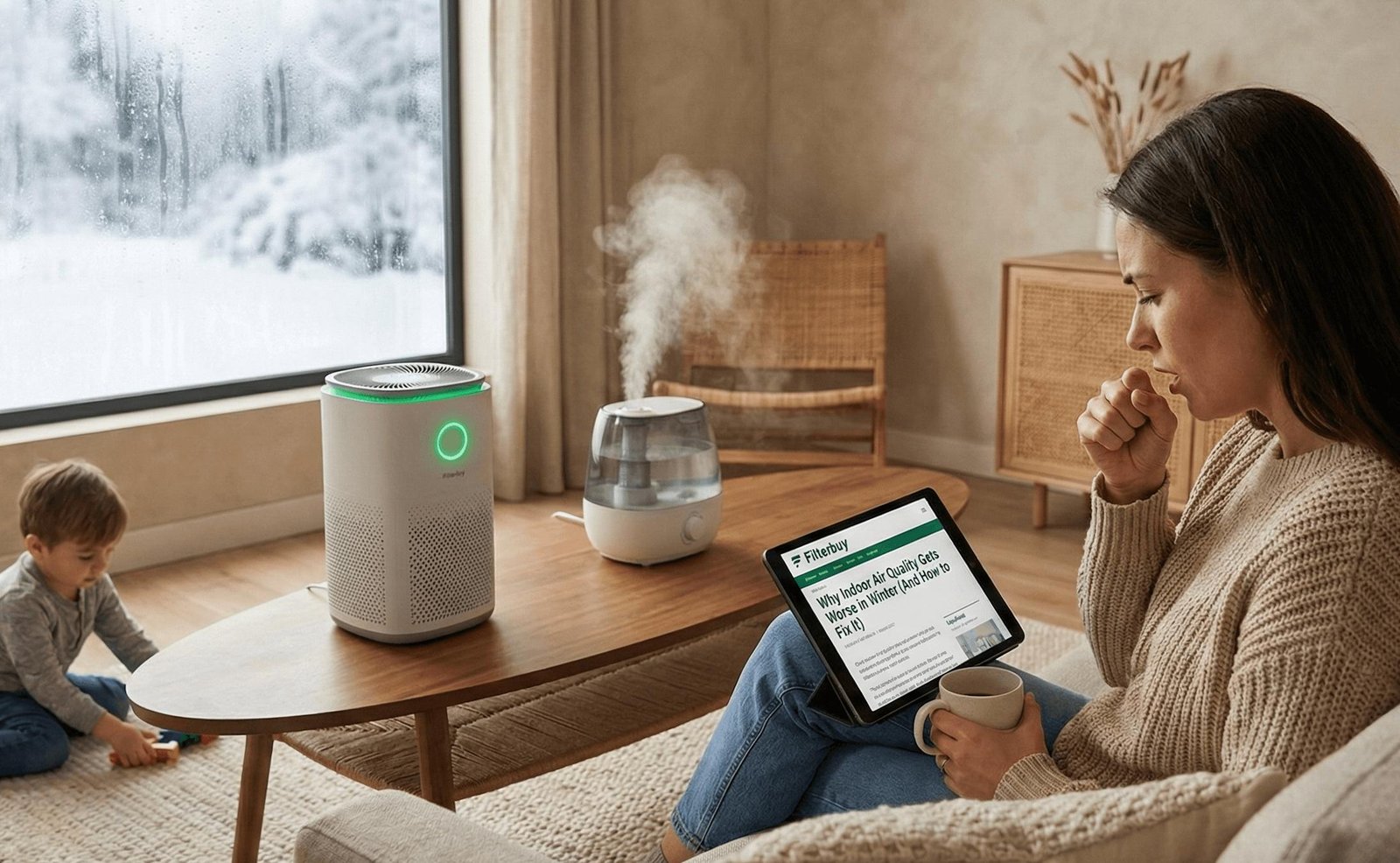
Air filtration is another important part of an effective indoor air management strategy because suitable filters can capture many airborne particles as air passes through them. Depending on the filter’s efficiency and the characteristics of the system, filtration may reduce dust, pollen, pet dander, and certain other particles circulating indoors. However, filters differ in their particle-capturing capabilities, and selecting one requires more than choosing the highest rating available. A filter that is too restrictive for an HVAC system can reduce airflow, potentially affecting comfort and equipment performance. Improving indoor air quality therefore involves choosing a filter that provides appropriate particle removal while remaining compatible with the equipment manufacturer’s specifications. Regular inspection and timely replacement are equally important because a heavily loaded filter may interfere with proper airflow.Portable air cleaners can provide additional filtration in selected rooms, particularly when occupants want to address particle levels in a specific area. Their usefulness depends on factors such as room size, airflow delivery, filter performance, placement, and operating time. Some air-cleaning devices are designed primarily to capture particles, while specialized technologies may target certain gases or odors under particular conditions. No single filtration device removes every possible indoor contaminant, so expectations should remain realistic. For effective indoor air quality management, filtration works best when combined with source control and suitable ventilation rather than being treated as a complete solution on its own. Property owners should also be cautious about devices that make broad claims about eliminating all pollutants without explaining their limitations or providing credible performance information.
Managing Humidity and Preventing Moisture Problems
Humidity has a significant influence on indoor comfort and the condition of building materials. Excessive moisture can contribute to condensation, musty odors, and conditions that encourage mold growth, particularly when damp surfaces remain wet for extended periods. Sources of indoor moisture include plumbing leaks, roof leaks, cooking, bathing, inadequate exhaust ventilation, and water accumulation around HVAC equipment. Maintaining appropriate humidity is an important part of improving indoor air quality because controlling moisture helps reduce conditions that support unwanted biological growth. Property owners should investigate recurring condensation, damp walls, persistent musty smells, and visible water damage instead of relying on air fresheners or stronger cooling settings to mask these symptoms.Air conditioning equipment can remove some moisture from indoor air when operating under suitable conditions, but cooling alone may not resolve persistent humidity problems. In some buildings, a dedicated dehumidifier, improved exhaust ventilation, or repairs to the building envelope may be necessary. Indoor relative humidity is commonly best maintained around 30% to 50% where practical, while keeping it below 60% helps reduce the risk of moisture-related problems. Actual targets should account for the building, climate, and occupant needs. Effective indoor air quality management also requires prompt attention to leaks and wet materials, because simply drying the air does not correct the source of water intrusion. When mold growth or substantial water damage is present, appropriate assessment and remediation may be needed to address affected materials safely and prevent recurring problems.
Identifying Common Sources of Indoor Contamination
Many indoor pollutants originate from everyday household and commercial activities rather than from a single major incident. Cooking can release particles and moisture, cleaning products may emit chemical substances, and some furnishings or building materials can release volatile organic compounds. Smoking, combustion appliances, renovation activities, and poorly maintained equipment may introduce additional contaminants. Improving indoor air quality requires identifying these sources and reducing emissions wherever practical. Using kitchen exhaust equipment that vents outdoors, following product instructions, storing chemicals appropriately, and avoiding unnecessary use of strongly scented products can help reduce certain indoor emissions. Businesses may need additional controls for cleaning operations, manufacturing activities, or other processes that introduce airborne contaminants into occupied spaces.Outdoor pollution can also affect the indoor environment when particles or gases enter through windows, doors, ventilation intakes, and building openings. Depending on the surrounding conditions, these pollutants may include traffic-related emissions, smoke, pollen, and fine particles. A suitable strategy for indoor air quality considers both indoor and outdoor sources instead of assuming that every air-quality problem originates inside the property. Property owners can reduce exposure by controlling indoor emissions, maintaining appropriate filtration, and operating ventilation systems according to outdoor conditions and building requirements. Where a particular gas or chemical pollutant is suspected, a general particle filter may not be sufficient, and targeted assessment or specialized treatment may be required. Understanding the pollutant involved is essential for selecting an effective response.
Recognizing Warning Signs of Poor Indoor Air
Indoor air concerns do not always produce obvious visual evidence, which can make it difficult to identify problems without examining the building’s conditions. Persistent musty odors, recurring condensation, visible mold, unusual dust accumulation, and inconsistent ventilation may indicate issues that deserve attention. Occupants may also notice that certain rooms feel stuffy or that odors remain long after cooking, cleaning, or other activities have ended. These observations can provide useful clues when evaluating indoor air quality, but they do not independently identify a specific contaminant or establish the cause of a problem. For example, an odor may result from a plumbing issue, trapped moisture, a dirty drain pan, or an unrelated source, so investigating the underlying condition is more useful than attempting to cover the smell.Some occupants may experience irritation or discomfort in indoor environments, but such symptoms can have many possible causes and should not be used alone to diagnose an air-quality problem. If multiple people experience recurring concerns in the same building, property managers should consider whether ventilation, moisture, cleaning products, equipment operation, or other environmental factors may be contributing. A professional evaluation of indoor air quality may involve reviewing the building’s history, inspecting HVAC components, examining moisture sources, and selecting appropriate measurements when justified. Testing is most useful when it addresses a clearly defined concern and the results can guide practical corrective action. Random testing without a specific question may provide numbers that are difficult to interpret and may not identify the actual source of discomfort.
The Benefits of Routine HVAC Maintenance
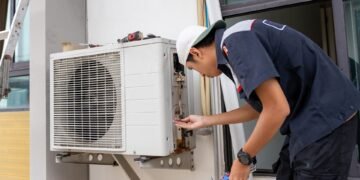
Routine HVAC maintenance helps preserve the performance of equipment that circulates and conditions indoor air. Over time, filters collect particles, coils may accumulate dirt, drainage components can become obstructed, and mechanical parts may require adjustment or repair. These conditions can affect airflow, temperature control, humidity management, and the general operation of the system. Regular maintenance supports indoor air quality by helping ensure that the equipment remains clean, drains properly, and operates according to its intended design. Property owners should follow the manufacturer’s recommendations for filter replacement and servicing, while arranging professional inspections when equipment performance changes or maintenance requirements extend beyond ordinary household tasks.A structured maintenance plan is particularly useful for commercial properties because their HVAC systems may operate for long periods and serve many occupants. Facility managers can maintain records of filter changes, inspections, repairs, moisture concerns, and ventilation adjustments to help identify recurring issues. If occupants repeatedly report odors or uneven airflow, these reports should be investigated rather than dismissed as ordinary building conditions. Professional maintenance can also help identify dirty drain pans, damaged ductwork, obstructed outdoor air intakes, and other conditions that may influence indoor air quality. Although maintenance cannot remove every pollutant or guarantee a completely contaminant-free environment, it helps preserve the functions that ventilation and air-conditioning equipment is designed to perform.
Improving Indoor Air Quality in Homes and Workplaces
Improving the air inside a building usually requires a combination of practical changes rather than one major purchase. Homeowners can begin by replacing filters when needed, using exhaust fans during moisture-producing activities, controlling leaks, cleaning surfaces regularly, and reducing unnecessary sources of indoor pollution. Businesses can review ventilation schedules, maintain HVAC equipment, ensure that air vents remain unobstructed, and investigate recurring complaints from employees or visitors. These steps help support indoor air quality by addressing common sources of contaminants while allowing the building’s ventilation and filtration systems to function more effectively. The most appropriate measures depend on the building’s layout, occupancy, equipment, and specific environmental concerns, so improvements should be selected according to actual needs.Buildings undergoing renovation or major equipment upgrades may require additional attention because construction materials, dust, adhesives, and finishing products can temporarily affect indoor conditions. Whenever possible, work should be planned to limit the spread of contaminants into occupied areas, and suitable ventilation or containment measures should be used according to the materials and activities involved. After the work is complete, property owners should address visible dust, inspect affected HVAC components where appropriate, and follow product-specific instructions concerning ventilation and occupancy. Protecting indoor air quality during renovation also involves controlling moisture, allowing materials to dry as required, and avoiding the operation of equipment in ways that spread construction debris throughout the building. A thoughtful plan can reduce unnecessary contamination and help occupants return to the space under more suitable conditions.
Professional Services for Better Air Management
Although many basic maintenance tasks can be performed by property owners, some air-quality concerns require professional evaluation. HVAC technicians can inspect filtration arrangements, assess airflow, review ventilation performance, examine drainage components, and identify equipment conditions that may affect indoor comfort. Depending on the problem, additional specialists may be needed to evaluate mold, water intrusion, combustion safety, or specific chemical contaminants. A professional approach to indoor air quality begins by defining the concern and determining which inspections or measurements are appropriate. Rather than automatically recommending expensive equipment, a reliable provider should explain the likely causes, discuss the limitations of available solutions, and prioritize corrective actions that address the underlying problem.Choosing an experienced service provider can also help ensure that equipment changes are appropriate for the building. Installing a more restrictive filter, adding a ventilation system, or introducing an air-cleaning device without considering the existing HVAC design may create new performance issues. Professional guidance helps property owners understand compatibility, maintenance requirements, expected benefits, and potential operating costs before making an investment. Effective indoor air quality services should focus on practical improvements such as correcting moisture sources, maintaining suitable ventilation, improving filtration where appropriate, and resolving equipment problems. Clear communication and documented recommendations allow homeowners and business managers to make informed decisions while avoiding solutions that promise more than the technology can reasonably deliver.
Conclusion
Maintaining a comfortable indoor environment involves more than controlling temperature because the air circulating through a building is influenced by ventilation, filtration, humidity, building materials, and everyday activities. A well-planned approach to indoor air quality helps property owners identify potential sources of contamination, maintain HVAC equipment, reduce moisture problems, and select suitable air-cleaning measures. By understanding how these factors interact, homeowners and business managers can prioritize improvements that address actual concerns rather than relying on temporary solutions that conceal underlying problems.Consistent maintenance and sensible building practices remain essential for long-term results. Replacing filters when necessary, maintaining exhaust systems, correcting leaks promptly, keeping air pathways unobstructed, and arranging professional inspections can help support dependable indoor conditions. When persistent odors, moisture damage, or other concerns occur, investigating their source is an important step toward choosing the right solution. A comprehensive strategy for indoor air quality combines source control, appropriate ventilation, effective filtration, and responsible HVAC maintenance to create a more comfortable, well-managed indoor environment for occupants.