A comfortable indoor environment depends on a cooling system that delivers consistent performance, manages humidity, and operates efficiently throughout the warmer months. Whether homeowners are upgrading outdated equipment, completing a new construction project, or improving an existing HVAC system, selecting the right air conditioning equipment is an important investment in long-term comfort. A properly designed cooling system helps maintain pleasant indoor temperatures, supports better air circulation, and reduces the frustration of uneven cooling and unexpected breakdowns. Professional AC installation ensures that the equipment is selected according to the property’s cooling requirements and installed according to manufacturer specifications. From evaluating cooling capacity and checking electrical connections to configuring thermostats and testing airflow, every step contributes to dependable operation. Understanding the installation process and the factors that influence cooling performance helps homeowners make informed decisions and enjoy a more comfortable indoor environment.
Choosing the Right Cooling System
Selecting suitable air conditioning equipment begins with understanding the property’s layout, cooling demands, and existing HVAC infrastructure. Different systems offer different advantages, and the most appropriate option depends on factors such as square footage, insulation quality, ceiling height, window placement, and the number of occupants. Central air conditioning is often suitable for homes with compatible ductwork, allowing cooled air to circulate through multiple rooms. Ductless mini-split systems can provide targeted temperature control in individual rooms or designated zones, making them useful for additions, converted garages, and properties without existing ducts. Other cooling solutions may be appropriate for specific layouts, but equipment selection should always account for the building’s actual requirements.Homeowners should also consider how frequently the system will operate, which rooms need the most cooling, and whether existing equipment can support a replacement unit. An air conditioner that is too small may struggle to maintain comfortable temperatures during periods of high heat, while an oversized system may cycle on and off too frequently. Short operating cycles can reduce effective humidity control, create temperature fluctuations, and increase equipment wear. A professional assessment helps determine the appropriate cooling capacity and system configuration. Instead of selecting equipment based only on price or the size of an older unit, homeowners benefit from choosing a system designed to meet their property’s specific cooling load.
Understanding the Importance of Proper Installation
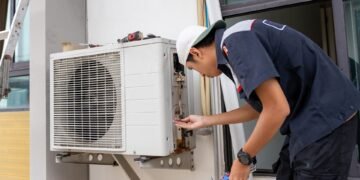
The quality of installation has a direct influence on an air conditioner’s efficiency, reliability, and expected service life. Even high-quality equipment may perform poorly when refrigerant lines, electrical connections, drainage arrangements, or airflow settings are incorrect. Professional technicians understand how the various components work together and follow the manufacturer’s instructions to ensure that the system operates as intended. They also inspect the installation area, evaluate existing connections, and identify any modifications required before the equipment is placed into service.A professional AC installation project includes much more than mounting an indoor unit or placing an outdoor condenser. Depending on the system, the work may involve preparing an equipment platform, installing refrigerant piping, connecting electrical circuits, configuring condensate drainage, sealing ductwork, and setting up thermostat controls. Each component must be installed correctly to prevent leaks, restricted airflow, electrical problems, or unnecessary energy consumption. Refrigerant handling requires appropriate training and equipment, while electrical work must meet applicable safety standards. By relying on qualified HVAC professionals, homeowners can reduce installation risks and establish a strong foundation for consistent cooling performance.
Improving Energy Efficiency
Energy efficiency is one of the most important considerations when purchasing a new air conditioner. Cooling equipment can account for a substantial portion of household electricity use, particularly when temperatures remain high for extended periods. Choosing an appropriately rated system can help control operating expenses, but efficiency depends on more than the equipment’s advertised specifications. Correct sizing, proper refrigerant charge, clean filters, sealed ductwork, and appropriate thermostat settings all contribute to effective operation. Homeowners should compare available efficiency ratings and consider how the system’s expected performance relates to their cooling needs and typical usage.The condition of the building also affects cooling efficiency. Heat entering through poorly insulated walls, ceilings, windows, and doors increases the workload placed on the air conditioner. Sealing appropriate air leaks, improving insulation, and using window coverings to reduce direct solar heat gain can help maintain comfortable indoor temperatures. Homeowners should also avoid blocking return-air grilles and supply vents because restricted airflow can interfere with cooling performance. Combining efficient equipment with sensible improvements to the building envelope helps reduce energy waste and supports more consistent comfort throughout the property.
Preparing the Property for Installation
Proper preparation allows an installation project to proceed more smoothly and helps technicians identify potential complications before work begins. The contractor should inspect the proposed equipment location, evaluate the existing electrical supply, examine accessible ductwork where applicable, and determine whether the new system requires changes to the building’s current HVAC arrangements. For a replacement project, the technician should also assess whether the existing refrigerant lines, drainage system, and other components are compatible with the new equipment. Reusing existing infrastructure without checking its condition can lead to performance problems or additional repair expenses later.Homeowners can help by clearing the installation area, providing safe access to the relevant rooms, and discussing any recurring cooling concerns. Uneven temperatures, unusual operating sounds, water around the indoor unit, or frequent system shutdowns may reveal issues that should be addressed during the project. It is also helpful to discuss the preferred thermostat location, the cooling needs of individual rooms, and any plans to expand the property in the future. Clear communication gives the technician a better understanding of household priorities and makes it easier to develop an installation plan that supports both immediate comfort and long-term requirements.
Maintaining Consistent Indoor Temperatures
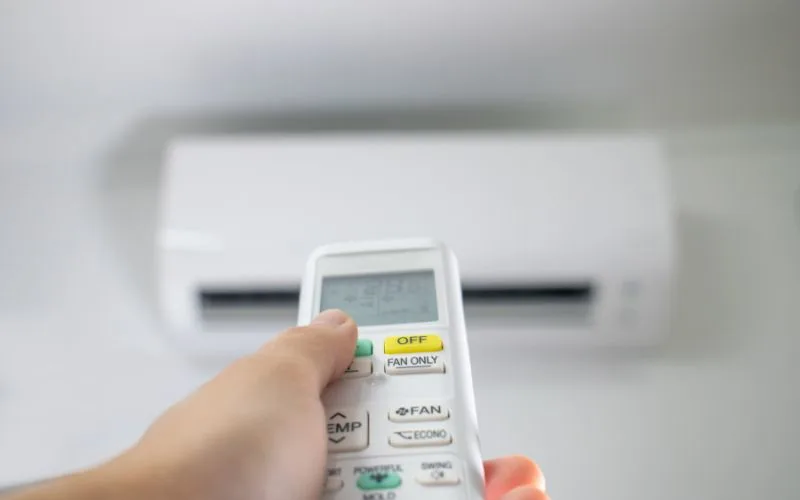
Consistent cooling requires suitable equipment, effective air distribution, accurate temperature sensing, and properly configured controls. Some homes experience cold rooms near the air conditioner while other areas remain warm, even when the system appears to be running normally. These differences may result from poorly balanced ductwork, blocked vents, inadequate insulation, air leakage, or direct sunlight entering particular rooms. A professional HVAC technician can evaluate these conditions and recommend improvements that help distribute cooled air more evenly throughout the property.Thermostat placement is another important factor because the thermostat measures the temperature in its immediate surroundings. If it is located near a sunny window, a kitchen appliance, or a frequently opened exterior door, its readings may not reflect the overall indoor environment. This can cause the cooling system to run longer or stop before other rooms reach a comfortable temperature. Programmable and compatible smart thermostats provide scheduling options that allow homeowners to adjust cooling according to their daily routines. Correct configuration ensures that these controls support comfort without unnecessarily increasing energy consumption.
Understanding Central Air Conditioning Systems
Central air conditioning is designed to cool multiple rooms through a coordinated system of indoor and outdoor equipment. The indoor components remove heat from the circulating air, while the outdoor unit releases that heat into the surrounding environment. Ductwork distributes cooled air throughout the building and returns indoor air to the system for continued conditioning. Because all these components must work together, central cooling requires careful planning and proper equipment matching.Before installing a central system, technicians should evaluate the condition and layout of the ductwork. Leaking ducts can allow cooled air to escape into unconditioned spaces, while improperly sized ducts may restrict airflow and reduce efficiency. The location of the outdoor condenser also matters because it needs suitable clearance for airflow, access for maintenance, and a stable installation surface. The indoor equipment must be installed with appropriate drainage and service access. By assessing these details before installation, homeowners can reduce avoidable problems and help the central air conditioning system deliver reliable cooling.
Exploring Ductless Cooling Options
Ductless mini-split systems provide an alternative for homes that lack compatible ductwork or require independent temperature control in specific areas. These systems typically include an outdoor unit connected to one or more indoor air handlers through refrigerant lines and electrical connections. Because they do not rely on conventional distribution ducts, they can be useful for room additions, finished basements, converted garages, and spaces that remain uncomfortable with the existing cooling system.Selecting the right ductless equipment requires attention to room size, insulation, window exposure, ceiling height, and the number of occupants. A single-zone system may serve one designated area, while a compatible multi-zone system can provide cooling to several rooms. Indoor units should be positioned to distribute air effectively without creating uncomfortable drafts or directing airflow toward areas where occupants spend extended periods. The installation also requires appropriate condensate drainage, secure mounting, and correct refrigerant connections. Professional planning helps ensure that the selected system provides practical temperature control and fits the property’s layout.
Recognizing When an Air Conditioner Needs Replacement
An existing cooling system may show several signs that indicate the need for professional evaluation. Frequent breakdowns, inconsistent temperatures, unusual noises, reduced airflow, persistent humidity, and unexplained increases in electricity bills can all suggest declining performance. These symptoms do not automatically mean that replacement is necessary, because clogged filters, faulty thermostats, refrigerant leaks, and damaged components may sometimes be repaired. A qualified technician can investigate the cause and explain whether servicing, component replacement, or installing new equipment would be the most practical option.The age and repair history of the system should also influence the decision. Older equipment may lack the efficiency and control features available in newer models, while repeated repairs can make continued ownership increasingly expensive. Homeowners should compare the cost of necessary repairs with the expected operating expenses and potential benefits of replacement. A new system may offer improved cooling consistency, better humidity management, quieter operation, and more efficient energy use. The final decision should consider the system’s condition, the property’s cooling requirements, and the long-term cost of ownership rather than relying on a single symptom.
Controlling Humidity and Improving Indoor Air Quality
Air conditioning contributes to indoor comfort by removing heat and, under appropriate operating conditions, reducing excess moisture from indoor air. High humidity can make rooms feel warmer than they actually are and may contribute to condensation or moisture-related problems. However, effective humidity control depends on correct equipment sizing, sufficient operating time, and suitable airflow. An oversized air conditioner may cool the space quickly without running long enough to remove an appropriate amount of moisture, leaving the home feeling clammy even when the thermostat reaches its setting.Indoor air quality also depends on ventilation, filtration, housekeeping, and moisture management. Homeowners should use compatible air filters, replace them according to the manufacturer’s recommendations, and keep return-air pathways unobstructed. Filters help capture certain airborne particles, although the level of filtration varies by filter type and system design. Persistent moisture problems should be investigated rather than assumed to be an air conditioning issue alone. Proper equipment selection and installation can support a more comfortable indoor environment, while appropriate maintenance helps preserve airflow and reliable operation.
Prioritizing Electrical and Refrigerant Safety
Air conditioning equipment includes electrical components and refrigerant circuits that require careful handling. Outdoor condensers and indoor air handlers must receive the appropriate electrical supply, circuit protection, and grounding in accordance with the manufacturer’s specifications and applicable codes. Incorrect wiring or inadequate electrical protection can damage equipment and create serious safety hazards. For this reason, electrical connections should be completed and tested by qualified professionals who understand the requirements of the selected system.Refrigerant lines must also be installed and tested correctly. Poor connections can allow refrigerants to escape, reduce cooling performance, and contribute to unnecessary environmental harm. Technicians use appropriate procedures and equipment to check connections, evacuate systems when required, and verify that the refrigerant charge matches the manufacturer’s specifications. Condensate drainage must be configured properly to prevent water from accumulating around indoor equipment or damaging nearby building materials. Attention to these technical details supports reliable performance and helps protect both the property and the occupants.
Understanding Installation Costs and Long-Term Value
The total cost of an air conditioning project depends on equipment type, cooling capacity, efficiency, labor, installation complexity, and the condition of the existing HVAC infrastructure. Replacing a compatible unit may require less modification than installing a completely new system in a property without suitable ductwork or electrical connections. Other expenses may arise from duct repairs, new refrigerant lines, drainage improvements, equipment platforms, or thermostat upgrades. A clear written estimate helps homeowners understand which tasks are included and whether additional charges may apply if unexpected conditions are discovered.When comparing estimates, homeowners should consider the full value of the proposed system rather than focusing exclusively on the initial price. A less expensive unit may have higher operating costs or lack features that would improve everyday comfort. On the other hand, the most expensive equipment may provide capabilities that are unnecessary for the property. Comparing efficiency ratings, warranty terms, expected maintenance, installation quality, and equipment suitability can help identify a balanced solution. A well-planned project can reduce avoidable expenses while providing dependable cooling and a more predictable ownership experience.
Maintaining the System After Installation
Regular maintenance helps preserve cooling performance and reduces the likelihood of preventable problems. Homeowners should check air filters regularly and replace or clean them according to the manufacturer’s instructions. Dirty filters can restrict airflow, increase system workload, and interfere with effective cooling. Outdoor units should remain clear of leaves, grass clippings, and other debris that could obstruct airflow, while indoor vents should be kept free from furniture and curtains. Any cleaning around equipment should be performed safely and according to the manufacturer’s guidance.Professional maintenance provides a more detailed assessment of the system’s condition. Depending on the equipment, a service visit may include checking electrical connections, inspecting refrigerant lines, examining condensate drainage, evaluating airflow, and testing controls. Technicians can identify developing problems and recommend repairs before they cause significant performance issues. Homeowners should also pay attention to new noises, unusual odors, water leaks, or changes in cooling efficiency. Addressing these warning signs promptly can help protect equipment, maintain comfort, and support reliable operation throughout the cooling season.
Choosing the Right HVAC Professional
Selecting a qualified contractor is an important part of achieving a successful cooling project. Homeowners should look for technicians with appropriate training, relevant experience, suitable insurance, and licensing where required. The contractor should assess the property’s cooling load, explain the available equipment options, and provide a written estimate outlining the proposed work. Recommendations should be based on the property’s actual requirements rather than simply suggesting the largest or most expensive system.It is also important to understand what happens after the equipment is installed. A professional contractor should test the system, explain basic operation, review maintenance recommendations, and provide relevant equipment documentation. Homeowners should ask about warranty coverage, service arrangements, and any requirements that must be followed to maintain the manufacturer’s warranty. Clear communication helps establish realistic expectations and makes it easier to understand the value of the proposed work. Working with a qualified HVAC professional gives homeowners greater confidence that their new cooling equipment will be installed safely and configured for dependable performance.
Conclusion
A reliable cooling system can transform the comfort of a home by maintaining pleasant temperatures, supporting humidity control, and operating efficiently during warm weather. Choosing suitable equipment, evaluating cooling requirements, preparing the property, and ensuring professional workmanship are essential steps toward achieving these benefits. Homeowners should also consider installation expenses, energy efficiency, indoor air distribution, and ongoing maintenance when making decisions about their HVAC systems. Professional AC installation provides an opportunity to improve cooling performance, address existing system limitations, and establish a dependable foundation for long-term comfort. By selecting qualified technicians, following manufacturer recommendations, and scheduling appropriate maintenance, property owners can protect their investment and enjoy consistent indoor cooling with greater confidence.