Introduction
A dependable heating system is essential for maintaining indoor comfort, supporting healthy living conditions, and protecting a property during colder weather. When a heating system begins to malfunction, even a minor issue can quickly develop into a significant inconvenience, particularly when indoor temperatures become uncomfortable or the equipment stops working altogether. Heating systems contain multiple components that must work together efficiently, including thermostats, electrical connections, burners, heat exchangers, blowers, and ventilation pathways. When any of these components develops a problem, the entire system may experience reduced performance, inconsistent temperatures, unusual noises, or increased energy consumption. Understanding the importance of professional heating repair helps homeowners recognize potential problems early and make informed decisions about maintaining their equipment. Regular attention to system performance, timely troubleshooting, and professional maintenance can help prevent unexpected breakdowns while extending the useful life of heating equipment. By addressing warning signs promptly and working with experienced HVAC professionals, property owners can maintain a comfortable indoor environment while reducing the likelihood of expensive emergency repairs.
Recognizing Heating Problems
Heating systems often provide noticeable warning signs before they experience a complete breakdown. One of the most common symptoms is inconsistent indoor temperature, where certain rooms remain cold while others become excessively warm. This problem may result from restricted airflow, thermostat issues, blocked vents, malfunctioning dampers, or an improperly balanced distribution system. Homeowners may also notice that their heating equipment takes longer than usual to warm the property or runs continuously without reaching the selected temperature. These symptoms can indicate problems involving dirty filters, failing components, inadequate insulation, or incorrect thermostat settings. Unusual sounds, including grinding, rattling, banging, or persistent humming, can also indicate mechanical or electrical concerns that require professional attention. Recognizing these warning signs early allows homeowners to arrange an inspection before a relatively manageable problem becomes a major equipment failure.
Another important warning sign is an unexpected increase in energy bills without a corresponding change in household heating habits. When a system loses efficiency, it may need to operate for longer periods to deliver the same level of warmth, consuming additional electricity or fuel in the process. Dirty components, worn blower motors, damaged ductwork, and faulty sensors can all contribute to unnecessary energy use. Homeowners should also pay attention to frequent cycling, where equipment repeatedly switches on and off instead of completing normal heating cycles. This behavior may result from thermostat malfunctions, airflow restrictions, overheating protection, or equipment sizing problems. Professional diagnosis helps determine the underlying cause rather than relying on temporary adjustments that may not solve the issue. Addressing these symptoms promptly can improve comfort, reduce wasted energy, and support more dependable heating performance throughout the season.
Common Causes of Failure
Heating equipment can develop problems for many reasons, ranging from normal component wear to inadequate maintenance and electrical faults. Air filters are among the simplest components to overlook, yet they play an important role in maintaining proper airflow. When filters become clogged with dust, pet hair, and other airborne particles, the system must work harder to circulate air throughout the property. Restricted airflow can reduce heating efficiency, contribute to overheating, and place additional strain on the blower motor. Other common problems include malfunctioning thermostats, worn belts, damaged ignition systems, failing capacitors, and loose electrical connections. Gas furnaces may experience burner or ignition difficulties, while heat pumps can develop problems involving refrigerant levels, reversing valves, sensors, or outdoor coils. Because different heating technologies require different diagnostic procedures, an experienced technician should evaluate the equipment before recommending a repair.
Age and environmental conditions can also affect heating system reliability. Equipment that operates frequently may gradually develop worn bearings, deteriorated wiring, weakened electrical components, or damaged seals. Dust accumulation and neglected maintenance can accelerate wear, particularly when internal components are not inspected regularly. Poor installation may create additional difficulties if the equipment is incorrectly sized, ventilation requirements are overlooked, or ductwork is improperly configured. Even newer systems can experience operational problems when installation defects or manufacturing issues affect performance. A professional assessment helps distinguish between an isolated component failure and a broader problem that could continue affecting the system. Understanding these causes allows homeowners to make better maintenance decisions and helps technicians recommend solutions that address the source of the malfunction rather than simply treating its visible symptoms.
The Importance of Professional Diagnosis
Accurate diagnosis is one of the most important parts of any successful heating service. A heating system may display the same symptom for several different reasons, which means replacing a component without proper testing can waste money and leave the underlying problem unresolved. For example, a furnace that fails to produce warm air may have a thermostat issue, an ignition problem, a blocked filter, or a safety control that prevents normal operation. A heat pump that struggles to maintain indoor temperatures may have restricted airflow, a sensor malfunction, or a refrigerant-related issue that requires specialized attention. Professional technicians use their training, diagnostic equipment, and knowledge of different heating technologies to identify the actual cause of the failure. This methodical approach improves repair accuracy and helps prevent unnecessary replacement of functioning components.
A comprehensive inspection may include checking thermostat settings, examining electrical connections, measuring airflow, evaluating system controls, inspecting accessible mechanical components, and reviewing error codes when the equipment supports them. Depending on the system type and reported symptoms, a technician may also examine burners, ignition assemblies, blower operation, safety switches, or refrigerant-related components. Gas-powered equipment requires particular care because combustion problems can create serious safety risks. Homeowners should never attempt to bypass safety switches, modify gas connections, or perform electrical work beyond their qualifications. Choosing professional heating repair from a qualified service provider helps ensure that troubleshooting follows appropriate safety procedures and that recommended work addresses the equipment’s actual condition. Proper diagnosis also gives property owners a clearer understanding of repair priorities, expected costs, and possible options for improving long-term reliability.
Improving Heating Efficiency
Energy efficiency is an important consideration whenever heating equipment requires attention. A system that operates efficiently can provide comfortable indoor temperatures while avoiding unnecessary energy consumption. However, efficiency depends on more than the equipment’s original specifications. Clean filters, unrestricted airflow, properly functioning controls, well-maintained mechanical components, and suitable ductwork all contribute to effective operation. When one or more of these factors becomes compromised, the system may consume more energy while delivering less heat. Professional inspections can identify problems that reduce performance and help homeowners determine which improvements offer the greatest practical benefits. In some cases, cleaning or repairing a relatively simple component may restore normal operation without requiring a major investment.
Homeowners can support efficiency by replacing disposable air filters according to manufacturer recommendations and checking them more frequently when the property has pets, substantial dust, or unusually high system usage. Supply and return vents should remain unobstructed by furniture, curtains, rugs, or stored belongings, allowing air to circulate properly. Programmable or smart thermostats can also help manage heating schedules by adjusting temperatures when occupants are sleeping or away from home. Sealing accessible air leaks around windows and doors, improving insulation where appropriate, and maintaining suitable indoor humidity can further support comfort. These measures complement professional service but do not replace necessary repairs. If equipment continues to operate inefficiently despite routine care, a qualified technician should investigate whether mechanical faults, duct leakage, control problems, or aging components are contributing to the issue.
Protecting Indoor Air Quality
Heating systems influence indoor air quality because they circulate air through the property’s ventilation and distribution pathways. When filters become clogged or components accumulate dust, airflow can deteriorate and airborne particles may circulate more readily. Although a heating system is not a substitute for dedicated indoor air quality equipment, proper maintenance can help reduce avoidable dust accumulation and support healthier ventilation practices. Homeowners should select filters that are compatible with their equipment and follow the manufacturer’s recommendations regarding filtration levels. Installing a filter that is too restrictive for a particular system may reduce airflow and create additional operating problems. Professional guidance can help determine an appropriate filtration solution without compromising equipment performance.
Persistent dust, unusual odors, or unexplained changes in indoor comfort may justify a closer examination of the heating system and its surrounding ventilation components. Dirty ductwork, moisture problems, inadequate ventilation, and certain mechanical faults can contribute to indoor air quality concerns, although each issue requires its own assessment. A burning smell that occurs briefly when a heating system starts after a long period of inactivity may result from dust heating on internal surfaces, but persistent or strong odors should not be ignored. If occupants notice a rotten-egg odor associated with natural gas, they should leave the building without operating electrical switches, avoid ignition sources, and contact the appropriate emergency gas service from a safe location. Carbon monoxide alarms should be installed and maintained according to applicable safety guidance, especially in properties with fuel-burning appliances. Prompt attention to these concerns supports household safety while helping ensure that heating equipment operates as intended.
Preventing Unexpected Breakdowns
Preventive maintenance is one of the most effective ways to reduce the likelihood of an unexpected heating failure. Although no maintenance routine can eliminate every possible malfunction, regular inspections can reveal developing problems before they cause a complete loss of heat. A seasonal service appointment gives a technician the opportunity to evaluate the system’s operating condition, inspect accessible components, check controls, and identify signs of wear. Depending on the equipment, maintenance may involve cleaning components, examining electrical connections, verifying thermostat operation, checking airflow, and testing relevant safety features. Gas furnaces and heat pumps have different service requirements, so maintenance should be tailored to the manufacturer’s instructions and the system’s specific design.
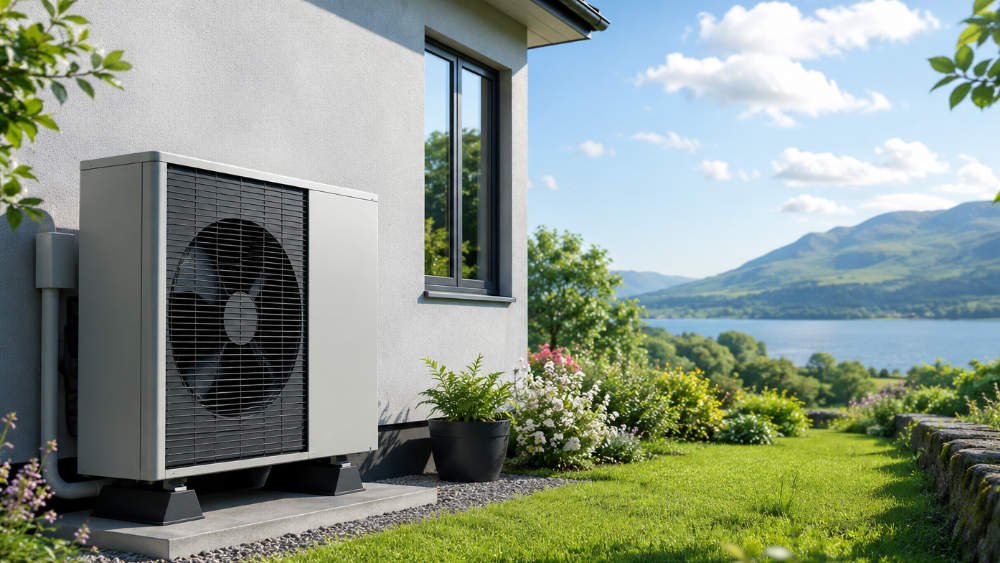
Homeowners can complement professional maintenance by paying attention to changes in performance throughout the year. Keeping records of unusual noises, temperature fluctuations, error messages, and unexpected energy consumption can help technicians understand when a problem began and how frequently it occurs. Filters should be checked regularly, and the area surrounding the heating equipment should remain clean and accessible. Outdoor heat pump units should have adequate clearance for airflow, while vents and exhaust outlets should remain free from obstructions. If a system repeatedly requires repairs, homeowners should discuss whether the failures share a common cause or indicate that the equipment is approaching the end of its useful service life. A proactive approach makes it easier to plan necessary work, manage household expenses, and maintain reliable indoor comfort.
Choosing the Right Service Provider
Selecting a qualified HVAC service provider is an important decision because the quality of the diagnosis and workmanship can influence equipment performance for years. Homeowners should look for technicians with appropriate training, relevant experience, and any licenses or certifications required for the work being performed. A reputable provider should explain the identified problem, describe the recommended solution, and discuss expected costs before beginning significant repairs. Clear communication helps customers understand whether a proposed service addresses an immediate malfunction, prevents a likely future problem, or improves overall system performance. Written estimates and transparent explanations of labor, parts, warranties, and possible additional expenses can also make the decision-making process easier.
Reliable service should extend beyond the immediate repair. A professional technician should explain what caused the malfunction, identify any related concerns, and provide practical recommendations for preventing similar problems. Homeowners should be cautious of recommendations that involve replacing major equipment before the existing system has been properly evaluated. At the same time, repeatedly repairing an aging unit without considering its overall condition may not provide the best long-term value. Experienced professionals can help compare the expected cost of continued repairs with the potential benefits of replacement, considering factors such as equipment age, efficiency, repair frequency, and the availability of suitable replacement parts. Working with a dependable provider gives homeowners access to informed guidance and a clearer path toward maintaining consistent heating performance.Property owners looking for dependable HVAC support can explore the services offered by heating repair who understand the importance of accurate troubleshooting, appropriate repairs, and long-term system reliability. An experienced service team can assess heating equipment, identify the cause of performance problems, and recommend practical solutions based on the system’s condition. Professional support is particularly valuable when a problem involves electrical components, gas-fired equipment, refrigerant systems, or safety controls that require specialized knowledge. Rather than relying on repeated adjustments or uncertain do-it-yourself solutions, homeowners can benefit from a structured diagnostic process that prioritizes safety, efficiency, and dependable operation. Reviewing a provider’s service offerings and discussing the symptoms affecting the equipment can help homeowners determine the appropriate next step when heating performance begins to decline.
Repair or Replace?
Deciding whether to repair an existing heating system or replace it with newer equipment requires careful consideration of several factors. The age of the system is an important starting point, but it should not be the only consideration. A relatively young system with an isolated component failure may be a strong candidate for repair, especially when replacement parts are readily available and the equipment has been maintained properly. An older system that experiences repeated breakdowns, struggles to maintain comfortable temperatures, or consumes substantially more energy may warrant a broader evaluation. Homeowners should consider the immediate repair estimate alongside the likelihood of additional failures, current operating costs, expected remaining service life, and the cost of installing suitable replacement equipment.Replacement may offer advantages when an existing unit has major component damage, declining efficiency, or recurring problems that make continued operation increasingly expensive. Modern systems may provide improved temperature control, quieter operation, and better energy performance, depending on the equipment selected and the condition of the property’s heating distribution system. However, installing new equipment does not automatically guarantee lower bills or better comfort. Correct sizing, suitable installation practices, appropriate ductwork, and proper commissioning remain essential for achieving the expected benefits. Homeowners should request a clear comparison of repair and replacement options rather than making a decision based solely on equipment age or a single estimate. A qualified technician can explain the practical implications of each option and help identify a solution that aligns with the property’s requirements and the owner’s budget.
Preparing for Emergency Service
Heating failures do not always occur at convenient times, and a complete loss of heat can quickly become stressful when indoor temperatures fall. Homeowners can make emergency situations easier to manage by learning the basic operating controls of their heating equipment and keeping relevant information available. Before requesting service, they may safely check whether the thermostat is set correctly, whether the system has power, and whether a replaceable air filter is visibly clogged. If the equipment has a dedicated reset procedure, homeowners should follow the manufacturer’s instructions rather than repeatedly restarting a malfunctioning unit. Repeated breaker trips, burning odors, visible smoke, suspected gas leaks, or carbon monoxide alarms require immediate attention and should never be treated as routine maintenance concerns.When contacting a service provider, describing the symptoms clearly can help the technician prepare for the visit. Useful information includes the type of heating system, the approximate age of the equipment, any displayed error codes, recent maintenance history, and whether the system produces unusual noises or odors. Homeowners should explain whether the equipment stopped completely or continues operating without generating sufficient warmth. If the problem began after a power interruption, thermostat adjustment, or recent maintenance visit, that information may also help with diagnosis. Maintaining clear access to the equipment and keeping pets or children away from potentially hazardous areas can make the service visit more efficient. Emergency preparedness does not eliminate heating failures, but it can reduce confusion and help homeowners respond safely while waiting for qualified assistance.
Conclusion
A reliable heating system contributes to household comfort, energy efficiency, indoor air quality, and overall property functionality. When equipment begins showing signs of trouble, prompt attention can help prevent minor problems from becoming expensive breakdowns. Recognizing inconsistent temperatures, unusual noises, frequent cycling, and unexpected energy increases allows homeowners to arrange professional evaluation before a complete failure occurs. Regular filter replacement, unobstructed airflow, seasonal maintenance, and careful monitoring of equipment performance can also support dependable operation. However, problems involving electrical connections, gas components, ignition systems, refrigerants, and safety controls should be assessed by qualified professionals rather than addressed through risky do-it-yourself repairs.Effective heating repair depends on accurate diagnosis, appropriate workmanship, and a clear understanding of the system’s overall condition. Homeowners who work with experienced HVAC technicians can make informed decisions about necessary repairs, preventive maintenance, and potential equipment replacement. Taking a proactive approach helps protect the heating system, manage operating expenses, and maintain comfortable indoor temperatures when reliable warmth matters most. By combining routine care with timely professional assistance, property owners can improve the likelihood of consistent performance and extend the practical service life of their heating equipment.