Introduction
Teaching children to follow directions is an important part of their overall growth and development. It helps them become more independent, responsible, confident, and capable of handling everyday activities. From completing simple household tasks to participating in classroom activities, children need to understand instructions and respond appropriately. However, following directions is not always easy for young children because their attention spans, communication abilities, and understanding of expectations are still developing. Parents, teachers, and caregivers can make this learning process easier by using patience, consistency, encouragement, and age-appropriate strategies. When children receive clear instructions and positive guidance, they gradually develop the skills needed to listen carefully, understand expectations, and complete tasks successfully.
Understanding Why Following Directions Matters
Following directions is a valuable life skill that supports children’s development in several important ways. It teaches them how to listen, process information, remember instructions, and take appropriate action. These abilities are useful in different situations, including schoolwork, social interactions, family routines, and group activities. Children who understand how to follow instructions often find it easier to participate in classroom discussions, complete assignments, and cooperate with others. Learning these skills also helps them understand boundaries and recognize the importance of respecting other people’s expectations. With regular practice, children become more comfortable handling responsibilities without needing constant reminders. Another important benefit is that listening to instructions supports the development of executive functioning skills. These include attention, working memory, planning, and self-control, which help children manage their behavior and complete everyday activities. For example, when a parent asks a child to put away toys before choosing another activity, the child must remember the instruction, stop the current activity, and complete the requested task. Such experiences gradually strengthen important mental abilities. Parents and educators can support this development by making teaching children to follow directions a regular part of everyday routines rather than treating it as a separate lesson.
Start With Simple and Clear Instructions
Children learn more effectively when instructions are easy to understand and appropriate for their age and developmental level. Giving several complicated directions at once can make young children feel confused or overwhelmed. Instead, adults should begin with short, straightforward instructions that explain exactly what needs to be done. For example, rather than saying, “Clean everything in your room,” a parent can say, “Put your building blocks in the box.” This makes the task easier to understand and gives children a clear starting point. Once they become comfortable following simple instructions, adults can gradually introduce tasks that involve multiple steps. Clear communication also means choosing familiar words and avoiding unnecessary explanations. Children may struggle to understand instructions when adults use complicated language or speak too quickly. Maintaining a calm tone and making eye contact can help children recognize that an instruction requires their attention. It is also helpful to ask children to repeat what they have heard, especially when the task involves several steps. This allows parents and teachers to identify misunderstandings before they become problems. Consistent communication creates a supportive learning environment where children feel comfortable asking questions and seeking clarification.
Get Your Child’s Attention Before Giving Instructions
One common reason children do not follow directions is that they are not paying attention when instructions are given. They may be playing with toys, watching television, drawing, or thinking about something else. Simply calling their name from another room may not be enough to make them focus. Parents should approach the child, say their name gently, and wait until they are ready to listen. Making eye contact and speaking in a calm voice can help establish a connection before giving an instruction. This small habit can make communication more effective and reduce the need to repeat the same directions several times. It is equally important to reduce distractions whenever possible. If a child is doing homework, turning off the television or moving away from noisy activities can help improve concentration. Parents can also use a gentle touch on the shoulder or a familiar signal to gain attention when appropriate. Instead of shouting instructions across the house, adults should communicate directly and make sure the child understands what is expected. These simple adjustments create better listening habits and help children recognize when someone is speaking to them. Over time, children become more attentive and respond more positively to everyday instructions.
Break Complicated Tasks Into Smaller Steps
Some children struggle with instructions because a particular task contains too many steps. Asking a young child to get dressed, brush their teeth, pack their schoolbag, and prepare for breakfast all at once may create confusion. Breaking the routine into smaller activities makes each responsibility easier to understand and complete. Parents can begin by asking the child to put on their clothes and then provide the next instruction after that task is finished. This approach prevents children from feeling overwhelmed and gives them opportunities to experience success. Gradually, they learn how to organize activities and complete several responsibilities independently. Visual reminders can also make complicated tasks easier to manage. For example, parents can create a simple morning routine chart with pictures showing activities such as brushing teeth, getting dressed, eating breakfast, and packing a schoolbag. Children can look at the chart to remember what comes next without depending on constant verbal reminders. This technique is particularly helpful for younger children who are still developing their memory and organizational abilities. Using smaller steps is an effective approach to teaching children to follow directions because it allows them to build confidence while developing important problem-solving and planning skills.
Use Positive Reinforcement and Encouragement
Positive reinforcement is one of the most helpful ways to encourage children to listen and follow instructions. When children complete a task correctly, parents and teachers should acknowledge their efforts with specific and meaningful praise. Instead of simply saying, “Good job,” adults can say, “You listened carefully and put all your toys away without being reminded.” This helps children understand which behavior is being appreciated and encourages them to repeat it. Positive feedback also makes children feel valued and motivates them to participate willingly in everyday responsibilities. Even small improvements deserve recognition because learning new habits takes time and practice. Rewards can also be used carefully to support positive behavior. For example, parents might allow a child to choose a bedtime story after completing their evening routine or enjoy a favorite game after finishing homework. However, rewards should not become the only reason children follow instructions. It is important to help them understand that responsibilities are part of everyday life and that completing tasks can bring satisfaction and independence. Encouraging effort, patience, and improvement is more valuable than expecting perfection. A supportive approach makes children more willing to cooperate and helps them develop a positive attitude toward following directions.
Establish Consistent Daily Routines
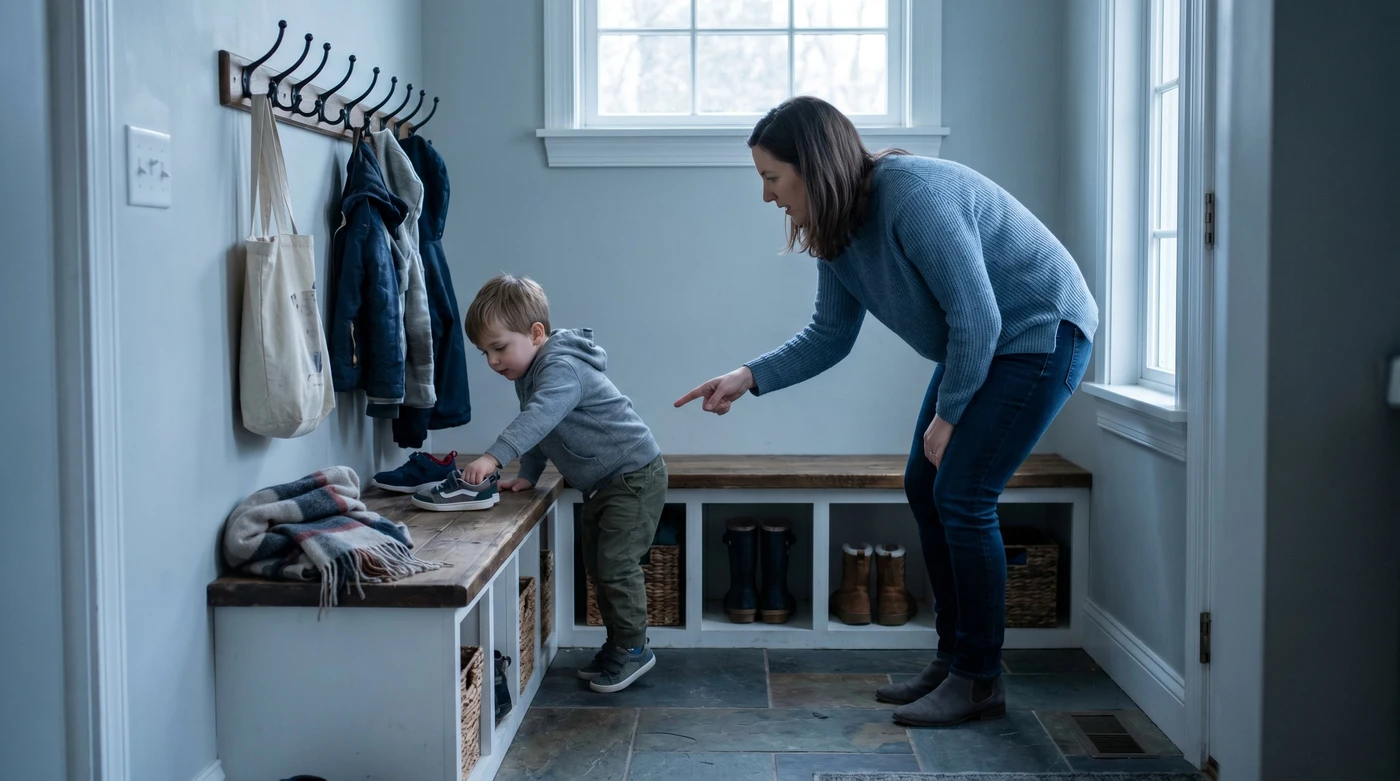
Children often respond better to instructions when they know what to expect throughout the day. Consistent routines provide structure and reduce uncertainty because children become familiar with the activities they need to complete. Regular schedules for waking up, eating meals, studying, playing, and sleeping can help children understand their responsibilities. When the same activities happen in a predictable order, children gradually learn what comes next and require fewer reminders. This consistency also makes transitions between activities easier because children become familiar with daily expectations. Parents should try to maintain routines even when family schedules become busy. Small habits, such as putting shoes in the same place, organizing school supplies after homework, and cleaning up toys before bedtime, can make a significant difference. Children should also be given enough time to complete their responsibilities without unnecessary pressure. When routines are introduced gradually and followed consistently, children begin to manage their activities with greater confidence. Establishing predictable habits is an important part of teaching children to follow directions because it connects listening skills with practical experiences that happen every day.
Make Learning Fun Through Games and Activities
Children often learn more effectively when educational activities are enjoyable and interactive. Games provide opportunities to practice listening, remembering instructions, and responding appropriately without making the experience feel like a difficult lesson. Activities such as Simon Says, follow-the-leader, and simple obstacle courses can help children understand and follow verbal directions. For example, parents can ask children to clap their hands, turn around, touch their toes, or jump three times in a particular order. These activities encourage concentration while helping children understand different types of instructions. Parents can also create everyday learning opportunities through creative activities. Cooking together, building blocks, drawing pictures, and completing simple puzzles are excellent ways to practice listening skills. During these activities, adults can provide instructions such as choosing a particular color, placing an object in a specific position, or adding ingredients in a certain order. Children learn that listening carefully helps them complete enjoyable tasks successfully. These playful experiences make teaching children to follow directions more engaging while strengthening communication, memory, cooperation, and confidence.
Teach Children to Listen Before Responding
Listening is more than simply hearing words. It involves paying attention, understanding the message, remembering important details, and responding appropriately. Children sometimes react immediately without processing the complete instruction, which can lead to mistakes or misunderstandings. Parents can help by teaching children to pause, listen carefully, and think before taking action. For example, when giving an instruction, adults can encourage children to wait until the complete sentence has been spoken before beginning the task. This helps them develop patience and reduces impulsive responses. Asking simple questions can also improve understanding. Parents might ask, “What do you need to do first?” or “Can you tell me what I just asked you to bring?” These questions allow children to demonstrate whether they have understood the instruction. However, adults should avoid turning every conversation into a test because children need to feel comfortable communicating. If a child does not understand something, the instruction should be repeated in simpler language. Encouraging active listening helps children become better communicators and makes everyday interactions more successful.
Set Clear Expectations and Reasonable Boundaries
Children need to understand what is expected of them before they can consistently follow directions. Unclear rules can create confusion, especially when different adults expect different behaviors. Parents and teachers should establish simple, age-appropriate expectations and explain them in a positive way. For instance, children can learn that toys should be put away after playing, hands should be washed before meals, and school materials should be organized after studying. When expectations remain consistent, children become more familiar with their responsibilities and understand which behaviors are appropriate. Boundaries should also be reasonable and suitable for a child’s abilities. Expecting a very young child to complete a complicated task independently may lead to frustration. Adults should consider the child’s age, attention span, developmental stage, and individual learning needs when assigning responsibilities. It is also important to explain why certain instructions matter, particularly when they involve safety or cooperation. When children understand the purpose behind a rule, they are more likely to accept it. Clear expectations create a balanced environment where children can learn responsibility while feeling respected and supported.
Be a Positive Role Model
Children learn many behaviors by observing the adults around them. When parents listen carefully, communicate respectfully, and follow through on their own responsibilities, children are more likely to develop similar habits. For example, adults can demonstrate good listening by putting away their phones when someone is speaking and responding thoughtfully during conversations. They can also show responsibility by completing household tasks and following agreed schedules. These everyday examples teach children that listening and cooperation are important parts of healthy relationships. Parents should also pay attention to the way they give instructions. Constant shouting, criticism, or repeated threats can make children less willing to cooperate. A calm and respectful approach is more effective because it shows children how to communicate without unnecessary conflict. Adults should try to practice the same patience they expect from their children, especially when mistakes happen. Demonstrating positive behavior is an important part of teaching children to follow directions because children often remember what adults do more clearly than what they simply tell them.
Handle Resistance With Patience and Understanding
It is normal for children to resist instructions occasionally. They may become distracted, feel tired, want more playtime, or disagree with an activity. Instead of immediately becoming angry, parents should try to understand why the child is refusing to cooperate. Sometimes the instruction may be unclear, the task may feel too difficult, or the child may need a short break. Listening to their concerns can help adults identify the reason behind the behavior and choose a suitable response. A calm conversation is usually more productive than arguing or raising one’s voice. Offering limited choices can also encourage cooperation without removing important boundaries. For example, a parent might ask whether the child wants to put away the toys before or after arranging the books. Both options lead to completing the responsibility, but the child feels involved in the decision. Adults should remain consistent about important expectations while allowing flexibility whenever possible. If children make mistakes, they should receive gentle reminders and another opportunity to try. Patience and understanding help create trust, making children more comfortable accepting guidance and developing better listening habits.
Work Together With Teachers and Caregivers
Children spend time with different adults throughout the day, including parents, teachers, relatives, and caregivers. When these adults use similar approaches to communication and behavior, children receive more consistent guidance. Parents can communicate with teachers about the instructions their child understands easily and the situations in which they experience difficulty. Teachers can share useful classroom strategies that parents may also practice at home. This cooperation creates a more supportive environment and helps children apply their listening skills across different situations. Consistency does not mean every adult must use exactly the same words or activities. Instead, the main expectations should remain similar, and children should receive clear guidance wherever they are. For example, if children are encouraged to put away classroom materials after an activity, they can practice organizing their belongings at home as well. Regular communication between parents and educators also makes it easier to recognize improvements and identify areas where additional support may be needed. Working together gives children more opportunities to practice positive habits and become confident in their abilities.
Recognize Individual Differences and Learning Needs
Every child develops at a different pace, so parents should avoid comparing one child’s listening abilities with another’s. Some children understand verbal instructions quickly, while others benefit from visual examples, demonstrations, or additional repetition. A child who struggles to follow several instructions may be perfectly capable of completing the same activities when they are presented one at a time. Understanding these individual differences allows adults to choose strategies that match the child’s abilities. The goal should be steady improvement rather than expecting every child to learn in exactly the same way. If a child consistently struggles to understand simple directions despite receiving clear instructions and regular support, parents may consider discussing their concerns with a qualified professional or educator. Difficulties with attention, hearing, language development, or information processing can sometimes affect how children respond to instructions. Seeking appropriate guidance can help identify useful support strategies. Adults should avoid labeling children as careless or disobedient without understanding the possible reasons behind their behavior. Providing individualized support helps children feel accepted and gives them better opportunities to develop important everyday skills.
Encourage Independence and Responsibility
As children become more comfortable following instructions, adults should gradually give them opportunities to complete tasks independently. Simple responsibilities such as arranging toys, placing dirty clothes in a laundry basket, watering plants, and organizing school supplies can help children develop confidence. Parents should explain the task, demonstrate it when necessary, and allow children enough time to complete it. They should avoid taking over immediately when a child makes a small mistake because learning often involves trying, adjusting, and improving. Giving children appropriate responsibilities teaches them that their actions contribute to the family and household. Independence also develops when children begin to remember familiar instructions without being reminded. Parents can encourage this progress by asking children what needs to be done next or allowing them to check a routine chart independently. As children become more capable, adults can introduce additional responsibilities that match their developmental level. It is important to recognize their efforts and provide support when necessary without making them feel pressured. Through regular practice, children gradually understand that following directions is not simply about pleasing adults but also about becoming responsible and capable individuals.
Conclusion
Teaching children to follow directions requires patience, consistency, encouragement, and an understanding of individual developmental needs. Children learn these skills gradually through everyday experiences, clear communication, positive reinforcement, enjoyable activities, and predictable routines. Parents and teachers can make a meaningful difference by giving simple instructions, listening to children’s concerns, setting reasonable expectations, and recognizing their progress. Instead of focusing only on mistakes, adults should celebrate improvements and provide opportunities for children to practice independently. With the right support, children can become better listeners, more confident learners, and more responsible individuals. Most importantly, teaching children to follow directions should be a positive and encouraging experience that helps them develop valuable skills for school, family life, friendships, and future responsibilities.