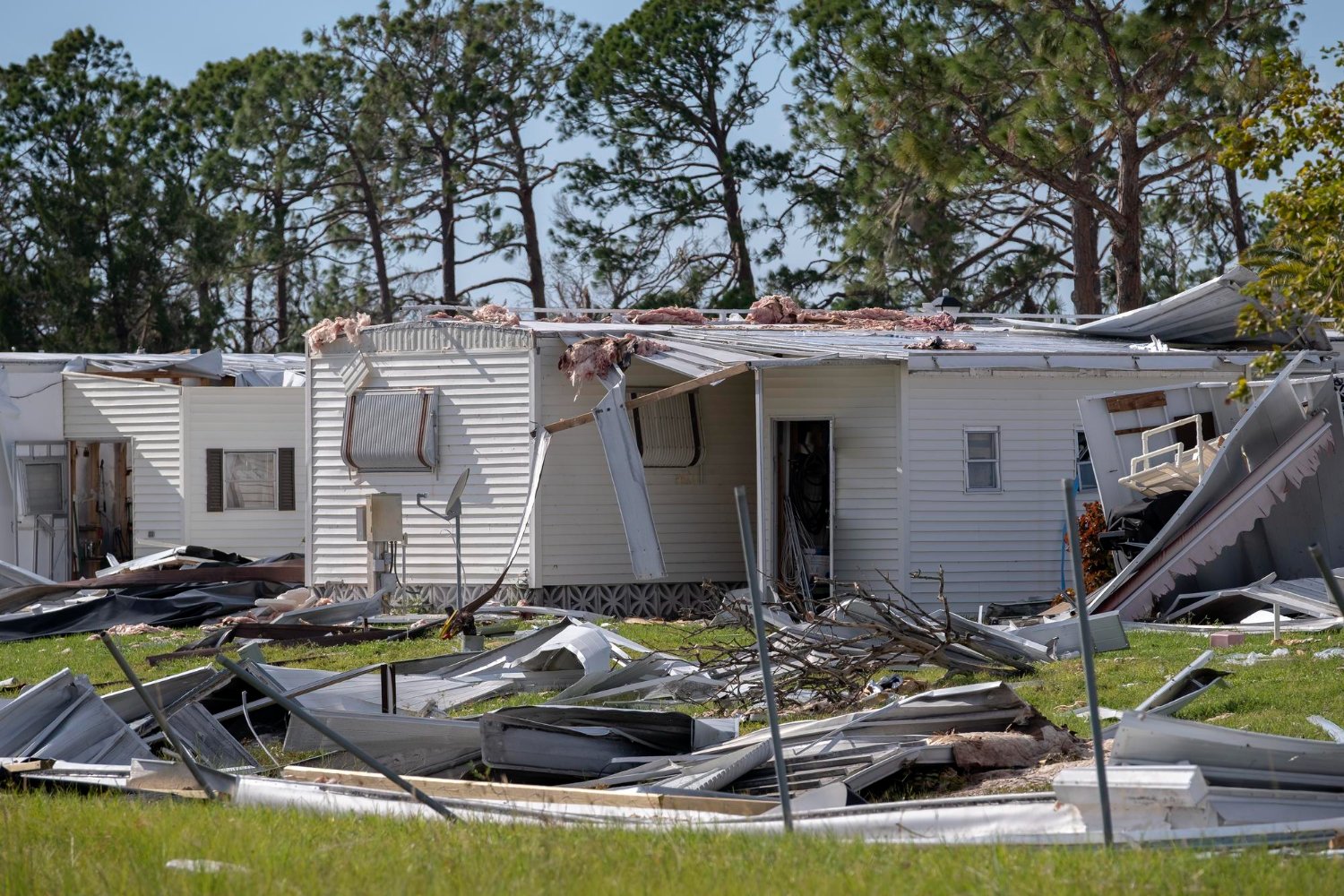
Severe storms can cause extensive damage to residential properties, affecting roofs, siding, windows, gutters, insulation, and other essential building components. Heavy rainfall, powerful winds, hail, and falling debris can weaken exterior surfaces and create openings that allow moisture to enter the structure. Even when the visible damage appears minor, hidden problems may develop behind walls, beneath roofing materials, or inside attic spaces, eventually leading to mold growth, structural deterioration, and costly repairs. Understanding how to respond after a storm is essential for protecting a property’s condition and preventing secondary damage. Professional storm restoration involves more than repairing visible defects because the process must address immediate safety concerns, identify hidden damage, and return affected areas to a reliable condition. A successful restoration plan begins with a careful assessment, followed by appropriate temporary protection, detailed repairs, and preventive improvements where necessary. Property owners who act promptly can reduce further deterioration and make better decisions about the work required. By understanding the restoration process and working with qualified professionals, homeowners can navigate the aftermath of severe weather more confidently while protecting their buildings, belongings, and long-term investments.
Understanding the Different Types of Storm Damage
Storm damage can affect multiple parts of a property simultaneously, and each type of damage may require a different inspection and repair approach. Strong winds can lift shingles, loosen flashing, damage siding, and detach gutters from their supports. Hail may leave dents, cracks, or other forms of impact damage on roofing materials, vents, windows, and exterior equipment. Heavy rainfall can overwhelm drainage systems, enter through damaged roof sections, and accumulate in basements or other low-lying spaces. Falling branches and airborne debris may puncture exterior surfaces, break windows, or damage structural components. In some situations, storms also cause electrical hazards, disrupt essential utilities, and create conditions that make parts of a building unsafe to occupy. Professional storm restoration starts with identifying the nature and extent of these problems instead of assuming that all damage is visible from the ground. An experienced assessment may include examining roofing materials, exterior walls, attic spaces, ceilings, flooring, and areas where water could have traveled. Recognizing the relationship between different forms of damage helps ensure that repairs address the underlying causes rather than only the most noticeable symptoms. A thorough inspection also supports better planning, more accurate estimates, and a clearer understanding of the work needed to restore the property effectively.
Taking Immediate Steps to Protect the Property
The actions taken immediately after a storm can significantly influence the amount of damage a property experiences during the following hours and days. Before inspecting the building, homeowners should make sure the surrounding area is safe and avoid approaching downed power lines, unstable trees, damaged electrical equipment, or sections of the structure that appear unsafe. If water is entering the building, occupants should move valuable belongings away from affected areas when it is safe to do so and contact appropriate professionals for assistance. Temporary protective measures, such as professionally installed tarps or secure coverings, may help prevent additional rainfall from entering through damaged roof sections. However, homeowners should not climb onto a wet, unstable, or damaged roof because falls and structural failures can cause serious injuries. Prompt storm restoration planning includes documenting visible damage, arranging necessary emergency protection, and determining whether any areas require restricted access. Photographs and videos taken from safe locations can provide a useful record of the property’s condition before permanent repairs begin. Homeowners should also retain relevant receipts for reasonable emergency expenses and keep records of conversations with contractors and insurance representatives. Taking these practical steps helps reduce confusion, protect remaining belongings, and establish a more organized foundation for the restoration process.
Why a Professional Damage Inspection Matters
A professional inspection helps determine which building components have been damaged and whether hidden problems may affect the property’s safety or performance. Visible roof damage is often easy to recognize, but wind and water can also affect underlayment, flashing, roof decking, insulation, and interior framing. Similarly, water entering through a damaged window may travel along surrounding materials before appearing as a stain on a wall or ceiling. Without a comprehensive assessment, repairs may focus on the visible symptoms while leaving the original source of the problem unresolved. A qualified restoration professional evaluates the affected areas, identifies likely entry points, and recommends suitable repairs based on the building’s condition. Thorough storm restoration inspections may also identify moisture trapped behind walls, damaged electrical components, compromised exterior seals, or drainage problems that require attention before reconstruction begins. Depending on the circumstances, specialized equipment may help detect moisture or assess conditions that are difficult to observe directly. Inspection findings should be documented clearly so that property owners understand which repairs are urgent, which materials may be salvageable, and which components need replacement. A detailed assessment supports realistic project planning and helps reduce the risk of recurring leaks, concealed deterioration, and avoidable repair expenses.
Preventing Water Damage After a Storm
Water intrusion is one of the most common consequences of severe weather because even a relatively small opening can allow rainwater to enter vulnerable building components. Damaged shingles, displaced flashing, broken windows, and compromised exterior seals may provide pathways for moisture to reach ceilings, walls, flooring, insulation, and structural materials. Once water enters, it can spread beyond the original point of entry and remain trapped in enclosed spaces where it is difficult to detect. Wet building materials may deteriorate, finishes can become damaged, and favorable conditions for mold growth may develop when moisture remains for an extended period. Professional storm restoration services often prioritize stopping active water entry and drying affected areas before permanent reconstruction proceeds. This may involve temporary weatherproofing, water extraction, controlled drying, and the removal of materials that cannot be safely restored. The correct approach depends on the amount of water involved, the materials affected, and how long those materials have remained wet. Property owners should avoid covering damp surfaces with new finishes because doing so may trap moisture and conceal continuing damage. Prompt attention to water intrusion helps preserve salvageable materials, limit secondary deterioration, and create safer conditions for the remaining repair work.
Repairing Roofing Systems and Exterior Components
The roof and exterior envelope play essential roles in protecting a property from wind, rainfall, and airborne debris, making them important priorities after severe weather. Wind can loosen shingles, lift roof edges, damage ridge caps, and disturb flashing around chimneys, vents, and skylights. Hail may affect certain roofing materials without creating obvious openings, which means a roof can require professional assessment even when leaks are not immediately apparent. Siding, fascia boards, soffits, gutters, and exterior trim should also be examined because damaged components may allow moisture to reach areas that were previously protected. Reliable storm restoration work considers how these exterior elements function together rather than treating every damaged component as an isolated problem. For example, replacing shingles without correcting damaged flashing may leave a vulnerable area exposed to future leaks. Likewise, repairing siding without investigating moisture behind it may conceal deterioration that requires additional attention. Depending on the extent of the damage, repairs may involve replacing individual components, restoring flashing, securing loose materials, correcting drainage issues, or installing a complete replacement system. Proper material selection and installation methods are essential for achieving lasting results. Addressing exterior damage comprehensively helps strengthen the building envelope and reduces the likelihood that the next storm will expose the same weaknesses.
Managing Interior Damage and Moisture Concerns
Storms can damage interior spaces even when the exterior appearance of a building suggests that the structure remains largely intact. Water entering through the roof, windows, or exterior walls may affect drywall, ceilings, flooring, cabinets, insulation, and personal belongings. Stains, bubbling paint, swollen flooring, peeling finishes, and musty odors may indicate that moisture has reached materials behind visible surfaces. Some affected materials can be dried and preserved, while others may require removal because of contamination, deterioration, or the inability to dry them adequately. Restoration professionals assess the affected areas and determine which materials can be salvaged through appropriate cleaning and drying procedures. Comprehensive storm restoration may include water extraction, dehumidification, moisture monitoring, selective demolition, and rebuilding after the affected spaces have reached suitable conditions. The sequence matters because installing new flooring, painting walls, or replacing drywall before moisture concerns are resolved can lead to recurring damage. Electrical systems and appliances exposed to water should be evaluated by qualified professionals before being used again. Property owners should also avoid disturbing materials that may contain hazardous substances, particularly in older buildings. Careful assessment and moisture management help create a sound foundation for interior repairs and support a safer return to normal household activities.
Addressing Mold Risks Following Storm Damage
Mold can develop when moisture remains in suitable conditions, particularly in areas where damp materials receive limited airflow. Roof leaks, flooded basements, wet insulation, and moisture trapped behind walls can create environments where microbial growth may occur. Visible discoloration and persistent musty odors can indicate a problem, but mold may also develop in concealed locations that are not immediately accessible. The most effective response focuses on identifying and correcting the source of moisture while determining how affected materials should be cleaned, dried, or removed. Simply painting over discoloration or applying a surface treatment without resolving the underlying moisture problem is unlikely to provide a lasting solution. During storm restoration, moisture-related concerns should be addressed before damaged areas are enclosed or reconstructed. Depending on the extent of the problem, professional remediation may be appropriate, especially when contamination is widespread or affects difficult-to-access spaces. Restoration teams should follow suitable containment, cleaning, and drying practices based on the specific conditions. Homeowners should avoid disturbing extensive mold growth themselves because doing so may spread contaminated particles and complicate cleanup. Once moisture sources have been corrected and affected materials have been properly addressed, ongoing inspections and appropriate ventilation can help reduce the likelihood of recurring problems.
Understanding the Insurance and Documentation Process
Insurance documentation can become an important part of storm recovery, particularly when damage affects several parts of a property or requires substantial repairs. Homeowners should review their policy to understand applicable coverage, deductibles, exclusions, deadlines, and documentation requirements. Photographs, videos, inspection reports, repair estimates, invoices, and receipts can help establish the condition of the property and record the work performed. It is generally useful to document damage before removing affected materials or beginning permanent repairs, provided doing so does not delay necessary safety measures. Temporary actions required to protect the property should be recorded, and relevant receipts should be retained. Professional storm restoration providers may assist by documenting visible damage, preparing repair estimates, and explaining the scope of recommended work. However, homeowners should understand that coverage decisions are made according to the insurance policy and the insurer’s assessment, not simply because a contractor recommends a particular repair. Property owners should communicate directly with their insurance representatives and request clarification whenever estimates or coverage decisions are unclear. Comparing a restoration estimate with an insurance scope may reveal differences that need further discussion. Keeping organized records and maintaining clear communication can reduce misunderstandings and help property owners manage the administrative responsibilities that accompany physical repairs.
Choosing the Right Restoration Contractor
Selecting an experienced restoration contractor is an important decision because the quality of the work can affect the building’s condition long after the immediate emergency has passed. Homeowners should look for professionals who provide clear assessments, explain repair priorities, and prepare written estimates that describe the proposed work. Relevant experience with storm-related roof damage, water intrusion, exterior repairs, and interior reconstruction can be especially valuable when several types of damage occur at the same time. Property owners should also verify applicable licensing and insurance requirements and ask about safety procedures, project schedules, cleanup, material specifications, and workmanship warranties. A dependable contractor should explain which repairs are urgent, which materials can be salvaged, and what additional problems might be discovered during the project. Quality storm restoration requires coordination between assessment, emergency protection, drying, repairs, and final inspection, so clear communication is essential. Homeowners should be cautious about contractors who pressure them to sign agreements immediately, promise guaranteed insurance outcomes, or provide vague estimates without explaining the scope of work. Reviewing documentation and asking direct questions can help establish realistic expectations before the project begins. A professional relationship based on transparency and careful workmanship makes it easier to track progress, resolve concerns, and ensure that the completed repairs meet the property’s needs.
Planning Repairs Around Safety and Structural Stability
Not all storm damage is limited to surface materials, and some conditions may affect the stability or safe use of a building. Large falling branches, significant roof impacts, prolonged water exposure, and structural movement can damage framing or supporting components. Warning signs may include visibly sagging ceilings, displaced walls, unusual cracking, unstable roof sections, or doors and windows that suddenly stop operating correctly. Although some changes may have less serious explanations, they should be assessed carefully when they appear after a severe weather event. Occupants should avoid entering areas that appear unstable and seek assistance from qualified professionals when structural damage is suspected. A responsible storm restoration plan places safety ahead of cosmetic improvements and determines whether specialist evaluations are needed before reconstruction begins. Structural repairs may require additional expertise, and certain projects may need permits or inspections under applicable building requirements. Rebuilding should not proceed until underlying safety concerns have been addressed and damaged supporting components have been properly evaluated. This approach helps prevent concealed defects from being covered by new finishes and reduces the risk of additional damage during future weather events. Careful sequencing also allows contractors to complete necessary structural work before installing replacement materials, restoring interior spaces, or making final cosmetic improvements.
Preventing Future Storm-Related Damage
Although severe weather cannot be controlled, homeowners can take practical steps to reduce some of the risks associated with future storms. Regular roof inspections can identify loose shingles, deteriorated flashing, damaged seals, and other weaknesses before they become major problems. Gutters and downspouts should be maintained so rainwater can drain efficiently, while nearby trees should be monitored for dead branches that may fall during strong winds. Exterior doors, windows, siding, and other openings should be checked for damaged seals or loose components that could allow water to enter the building. Homeowners may also benefit from reviewing drainage around the foundation and correcting areas where water consistently collects near the property. Professional storm restoration assessments can help identify recurring vulnerabilities and recommend improvements suited to the building’s design and condition. Depending on the findings, preventive work might include upgrading vulnerable roofing components, improving drainage, repairing exterior joints, or replacing materials that have reached the end of their useful life. Preventive measures should be selected based on actual risks rather than assuming that every property requires the same upgrades. Maintaining records of inspections and completed repairs also makes it easier to monitor recurring issues and plan future maintenance. A proactive approach cannot guarantee that storm damage will never occur, but it can help strengthen the building envelope, reduce avoidable deterioration, and improve readiness for future severe weather.
Restoring Comfort and Confidence After a Storm
Recovering from severe weather involves more than completing construction tasks because property owners must also manage disrupted routines, unexpected expenses, and uncertainty about the condition of their homes. A clear restoration plan can make the process more manageable by establishing priorities, setting realistic expectations, and organizing work into practical stages. Immediate hazards should be addressed first, followed by moisture control, structural repairs, exterior restoration, and interior reconstruction as appropriate. Homeowners should maintain communication with contractors, keep records of project decisions, and request updates when the scope or schedule changes. It is also important to verify that repairs have been completed properly and that affected areas are ready for normal use. Effective storm restoration focuses on returning the property to a safe and functional condition while correcting the damage that caused the original problems. A final review may include checking repaired roofing sections, examining interior finishes, confirming that drainage systems operate correctly, and reviewing warranties or maintenance recommendations. If concerns remain, they should be documented and discussed with the responsible professionals before the project is considered complete. By approaching recovery systematically and prioritizing quality over rushed cosmetic fixes, homeowners can rebuild confidence in their property’s condition and establish a stronger foundation for ongoing maintenance.
Conclusion
Storm damage can affect many parts of a property, from roofing materials and exterior walls to insulation, interior finishes, and structural components. Responding promptly, documenting visible damage, and arranging a thorough professional inspection can help property owners understand the repairs required and reduce the risk of secondary deterioration. Effective restoration should address immediate safety concerns, stop water intrusion, dry affected materials, repair damaged components, and verify that the completed work provides dependable protection. Choosing qualified professionals, reviewing written estimates, and maintaining organized insurance documentation can also make the recovery process easier to manage. Homeowners should not overlook preventive maintenance because sound drainage, properly maintained roofing, secure exterior components, and regular inspections can help reduce certain risks during future storms.
Professional storm restoration services can support this process by helping identify damage, coordinate appropriate repairs, and restore the property’s protective exterior. With careful planning, transparent communication, and attention to workmanship, property owners can address storm-related problems more effectively, protect their investments, and restore the comfort and functionality of their homes.