fMedia literacy matters most when a story looks harmless but isn’t quite what it seems, and the wave of “who is [Amra Nor Jenkins]?” articles is a textbook example. Search for the name of almost any famous parent’s young son or daughter and you’ll find dozens of near-identical pages: same biographical claims, same vague phrases about a “bright future,” same speculative details about schooling and hobbies that nobody involved has ever confirmed. One recurring example is the coverage built around Amra Nor Jenkins, the young daughter of American rapper Jeezy. Looking at how that coverage is produced, and why it exists at all, says a lot about how content is manufactured for search engines today, and why readers should treat this genre with real scepticism.
Quick Reference Table
| Aspect | Detail |
|---|---|
| Phenomenon | “Celebrity kid” content farm articles |
| Typical subject | Children of public figures, often still minors |
| Common format | Templated bio: early life, family tree, privacy note, net worth speculation, closing platitude |
| Case study used | Coverage surrounding Amra Nor Jenkins, daughter of rapper Jeezy |
| Key warning sign | Contradictory facts (dates, sibling order, parent details) across sources |
| Underlying driver | Search demand for a topic with little genuine reporting available |
| Reader risk | Mistaking repetition across sites for verification |
| Ethical concern | Fabricated personal detail about children whose families have chosen privacy |
| Practical takeaway | Cross-check claims, note admitted uncertainty, and be wary of templated phrasing |
What Is a “Celebrity Kid” Content Farm Article?
A content farm article is text produced primarily to rank in search results rather than to inform readers, often written or heavily assisted by AI and published across multiple low-authority websites in near-identical form.
These articles typically follow a template: an opening line repeating the child’s name and parentage, a short section on “early life,” a family tree of half-siblings, a note on “privacy,” a paragraph speculating about net worth, and a closing line about the child’s supposedly bright future. Swap out the name and a handful of facts, and the same template reappears on a different domain within weeks.
How the Amra Nor Jenkins Coverage Illustrates the Pattern
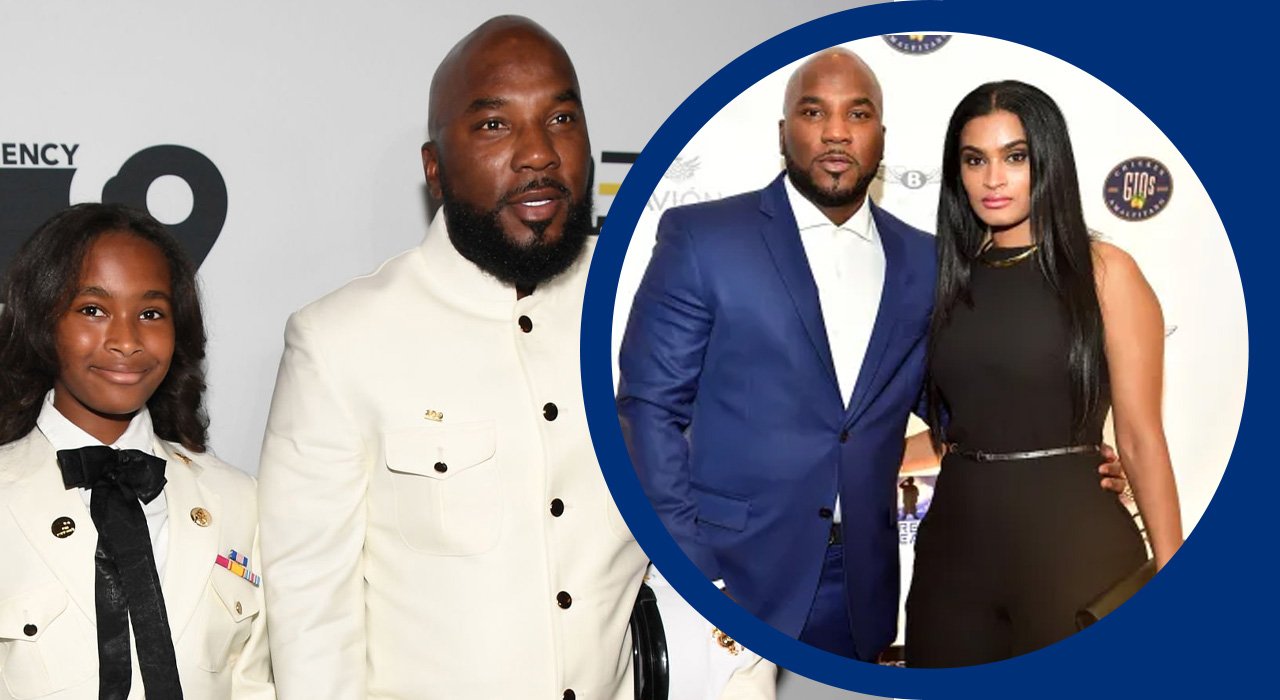
Amra Nor Jenkins is a real child, born in 2014, whose father is the rapper Jeezy. Multiple outlets confirm that basic fact. Beyond that, the picture gets murky fast.
Searching her name turns up article after article that repeats identical phrases about her “bright future” and her parents’ commitment to “normalcy,” alongside details that contradict one another from site to site. Some pieces list her as Jeezy’s second child, others as his youngest or oldest; some give her birth date as 27 February, others as 16 February; some describe her mother as a musician, others add professions that don’t appear in any credible reporting. Several articles fill entire paragraphs with confident-sounding statements about her schooling, hobbies, and daily routine despite openly admitting, elsewhere in the same piece, that none of this is public information. One article even appears to confuse her with an unrelated adult of the same name. These are the fingerprints of templated, low-effort content rather than original reporting.
Why This Content Gets Made
Search Demand Without Supply
Genuine curiosity about celebrities’ families creates search volume, but legitimate news coverage of a private minor is understandably thin. That gap between demand and real information is exactly where content farms operate: producing high volumes of pages designed to satisfy a search query rather than to add anything true or new.
Low Cost, Low Risk Production
Because these pages recycle publicly available fragments (a birth year, a parent’s name, a stray tabloid mention) into new wording, they are cheap and fast to produce, often at scale using AI drafting tools. Contradictions between sites rarely get corrected because no single outlet has an editorial incentive to fact-check a subject with no real story to tell.
Why It Matters for Readers
It Normalises Speculating About Children’s Private Lives
The most striking feature of this genre is that it fills gaps in verified information with invented specifics about a child’s school, appearance, and personality, even while stating the family has deliberately kept those details private. That’s a subtle but real privacy problem: the write-up performs concern for the child’s privacy in one paragraph while filling in fabricated personal detail in the next.

It Erodes Trust in Search and AI Answers
When dozens of pages repeat the same unverifiable claims, search engines and AI answer tools can end up treating repetition as confirmation. A fact that appears on ten near-identical sites isn’t ten times more likely to be true; it may simply be the same content farm output copied ten times.
How to Spot This Kind of Content
- Check for contradictions. If three articles give three different birth dates or sibling counts for the same person, none of them should be trusted at face value.
- Look for admitted uncertainty followed by confident detail. A paragraph that says “her school is private” and then describes her daily routine in detail is filling gaps with invention.
- Notice repeated phrasing. Identical turns of phrase (“bright future,” “normal, grounded childhood”) across unrelated domains suggest a shared template, not independent reporting.
- Ask who benefits. Articles about a private child, written by outlets with no direct access to the family, exist to capture search traffic rather than to inform.
Conclusion
The proliferation of “who is [Amra Nor Jenkins]?” articles, of which the coverage around Amra Nor Jenkins is a clear example, reveals how modern content production can prioritise search visibility over accuracy or ethics. Contradictory facts, invented personal details, and templated phrasing are all signs that a piece was built for algorithms rather than readers. Recognising these patterns helps readers treat this entire genre with the scepticism it deserves, and pushes back gently against a system that treats a real child’s private life as raw material for search traffic.
Frequently Asked Questions
What is a “celebrity kid” content farm article?
It’s a low-effort, often AI-assisted article about a Amra Nor Jenkins, built mainly to attract search traffic. These pieces are frequently republished in near-identical form across multiple websites with the same phrases and structure.
Why do these articles contain contradictory facts?
Because they are often written without direct access to the family, drawing instead on fragments repeated from other similar articles. Contradictions in birth dates, sibling order, or parents’ professions are a strong sign of this kind of recycling.
Is it accurate to say these articles violate a child’s privacy?
Many do, in a subtle way: they state that a family has chosen privacy and then proceed to describe invented details about the child’s school, appearance, or routine. That combination of stated respect and actual speculation is the core problem.
How can I tell if an article about a Amra Nor Jenkins is reliable?
Check whether multiple independent, reputable outlets confirm the same facts, look for unexplained contradictions between sources, and be suspicious of confident detail on topics the article itself admits are private.
Why do search engines and AI tools sometimes repeat these unverified claims?
When many low-quality sites use the same wording, some search and AI systems can mistake that repetition for corroboration. Repetition across content farm sites is not the same as independent confirmation.