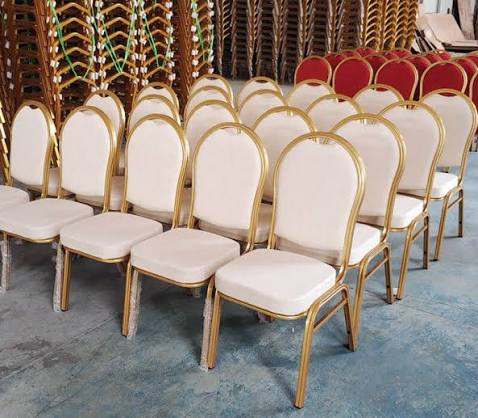
Ask a hotel operations manager what they look for in new furniture, and a few years ago the answer would have been simple: strong, stackable and affordable. Ask the same question now and there’s often a fourth item on the list. Can we show it was made responsibly?
That question is changing how venues shop for banquet chairs. Frames made from recycled aluminium and steel are showing up in hotel ballrooms, conference centres, clubs and wedding venues across Australia. If you’re comparing banquet chairs for sale for your venue, here’s what to look for, what to avoid and what to ask suppliers.
Why Recycled Metal Frames Are Getting Attention
Metal is one of the few materials that can be recycled again and again without losing its strength. Aluminium is the standout example. Producing it from recycled scrap uses only a small fraction of the energy needed to make it from raw ore, which is why recycled content has become a selling point across construction, packaging and now furniture.
For hospitality businesses, the appeal is practical as well as environmental. Many hotel groups and event venues now report on sustainability to their owners, corporate clients or industry bodies. Corporate event planners increasingly ask venues about their environmental practices when choosing where to book conferences. Furniture is one of the most visible items in a function room, so it’s an easy place to show progress. Venues planning a full room refresh, and looking at a banquet table and chairs for sale as a matched set, now ask about recycled content alongside price and stackability.
There’s also the end-of-life benefit. A metal frame that reaches the end of its working life can usually go back into the recycling stream, while many plastic or composite chairs end up in landfill.
What to Look For in a Recycled Frame Chair
Not every chair marketed as “eco” is built for commercial use. Start with the basics that matter in any busy venue.
Frame strength comes first. Commercial banquet chairs take far more punishment than home furniture. They’re stacked, dragged, leaned back on and loaded onto trolleys several times a week. Ask about tube thickness, weld quality and the weight rating. A good commercial chair should be tested to handle well above the average guest’s weight, with a margin for people rocking back.
Next, check the stacking height. Many banquet chairs stack 8 to 12 high on a trolley. Aluminium frames are lighter than steel, which makes stacking and moving easier for staff and can reduce manual handling risks.
Look closely at the finish. Powder coating is common because it’s tough and resists chips. Some finishes are applied with lower-emission processes, which is worth asking about if sustainability is part of your reason for buying.
Finally, consider the upholstery. A recycled frame paired with a seat that can’t be re-covered rather defeats the purpose. Chairs with replaceable seat pads or removable covers can stay in service far longer.
What to Avoid When Shopping
Banquet chairs for sale are often advertised with green labels, and the biggest trap is vague claims. Phrases like “eco-friendly” or “green design” mean very little without specifics. If a supplier can’t tell you roughly what percentage of the frame is recycled content, or where the material came from, treat the claim with caution.
Avoid chairs that are too light for their job, too. Shaving weight is good, but frames that flex or wobble when stacked are a safety concern and won’t last. Ask to sit in a sample, lean back and stack a few yourself.
Be wary of finishes that look great in photos but scratch easily. Function chairs often travel between rooms on trolleys and get bumped constantly. A finish that shows every mark will make the chairs look tired within a year.
And don’t forget the matching items. If you’re replacing tables at the same time, check that they’re just as durable and that the chair seat height works comfortably with your table height, usually leaving a gap of around 27 to 30 centimetres between the seat and the tabletop.
Questions to Ask Your Supplier
Before you commit to a large order, a short list of questions can save headaches later:
- What percentage of the frame is recycled material, and can you provide documentation?
- What weight rating has the chair been tested to, and how many can be stacked safely?
- What warranty applies to the frame, the welds and the finish?
- Can seat pads or covers be replaced without replacing the whole chair?
- Are spare parts such as glides and feet available locally?
The answer to the last question matters more than many buyers expect. Floor glides wear out quickly in busy venues, and a chair that can’t be fitted with new glides can damage floors or become noisy when dragged.
Balancing Cost, Durability and Sustainability
Recycled frame chairs aren’t always the cheapest option upfront. However, the real cost of a banquet chair isn’t its purchase price. It’s the price divided by the years it stays in service.
A chair that costs a little more but lasts ten years with a couple of seat re-covers will usually work out cheaper than a budget chair that needs replacing after four. Add in lighter handling for staff, a better story for corporate clients and less waste at the end of its life, and the value case becomes clearer.
For venues weighing up options, Turnkey Furniture is one Australian supplier that stocks commercial stacking chairs for conferences, banquets and events, which makes it easier to compare frames, finishes and stacking options side by side.
A Practical Next Step
Before you buy, audit your current chairs. Count how many are damaged, note which parts fail first and ask your events team what slows them down during setup. That information tells you exactly which features to prioritise.
Chairs with recycled metal frames are worth a close look if you want furniture that handles heavy use and supports your sustainability goals. Order a sample, put it through a week of real functions and let the staff who set up your rooms every day have the final say. They’ll spot problems with weight, stacking and comfort long before your guests do.