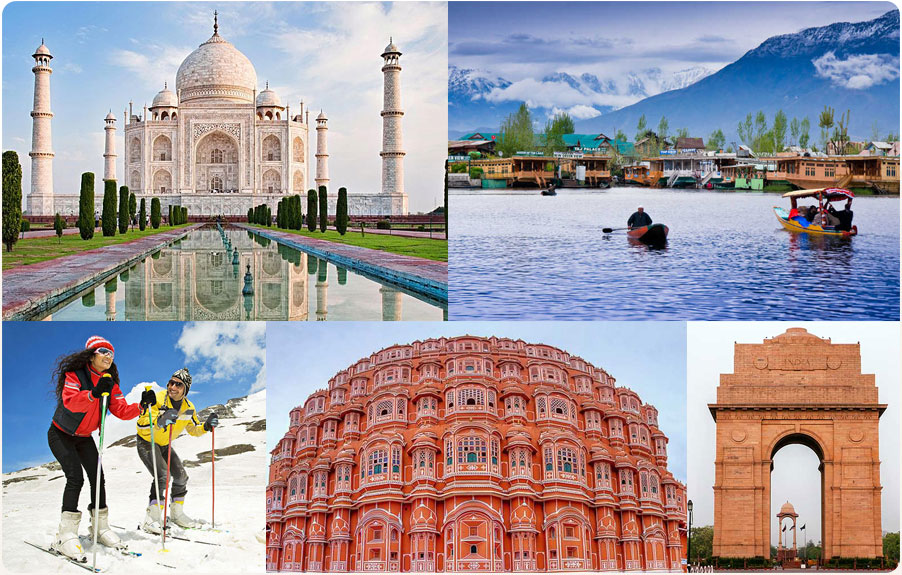
Beyond the Taj Mahal, the most rewarding additions to an India trip are Varanasi, Amritsar, Udaipur, Jaisalmer, Hampi, Ladakh, Kerala and Meghalaya. Experienced travel agents in India usually link one or two of these to the Golden Triangle, so you still see the famous sights without feeling rushed. Each place shows a different side of the country. At Swan Tours, our Delhi team has planned journeys like these since 1995.
What Are the Best Places to Add to a Golden Triangle Tour?
Ranthambore, Amritsar and Varanasi fit most neatly around Delhi, Agra and Jaipur. Each adds two or three days and a completely different mood:
- Ranthambore: Tiger safaris, about three hours by road from Jaipur.
- Amritsar: The Golden Temple and Wagah border ceremony, an hour’s flight from Delhi.
- Varanasi: Evening prayers beside the Ganges, 90 minutes from Delhi by air.
Most tour operators in Delhi link these stops with domestic flights or fast trains.
Is Varanasi Worth Visiting on a First Trip to India?
Yes, and for many visitors it becomes the most moving stop of the whole journey. Every evening, priests perform the Ganga Aarti at Dashashwamedh Ghat with fire, bells and chanting. A dawn boat ride then shows the city waking up along its riverside steps. Sarnath, where the Buddha gave his first sermon, lies only 10 kilometres away. Two nights give you enough time to take it all in.
Which Rajasthan Cities Suit Luxury India Tours Best?
Udaipur and Jaisalmer offer the strongest contrast to Jaipur. Udaipur centres on Lake Pichola, where palace hotels sit right on the water and sunset boat rides are hard to beat. Jaisalmer, by comparison, rises straight out of the Thar Desert. Families still live inside its golden sandstone fort, and a night at a desert camp near the Sam dunes stays with most travellers long after they return home.
Where Can You See the Himalayas Without the Crowds?
Ladakh and Spiti Valley offer high-altitude landscapes that feel a world away from the plains. In Ladakh, you can visit Thiksey Monastery, cross into the Nubra Valley and watch Pangong Lake change colour throughout the day. Spiti, in Himachal Pradesh, is quieter still. An India tour package for this region works best from June to September, with two rest days in Leh for acclimatisation.
Is South India Worth Adding to a North India Trip?
Yes, because the south changes the pace completely. Hampi, a UNESCO World Heritage Site in Karnataka, holds the ruins of the old Vijayanagara capital, spread across a striking boulder landscape. Kerala then slows everything down. Guests on luxury India tours often finish with a private houseboat on the Alleppey backwaters and cool mornings among the tea estates of Munnar. October to March brings the most comfortable weather.
Is North East India Easy for Tourists to Visit?
Yes, with the right planning. Meghalaya is famous for its living root bridges, which Khasi communities have grown from rubber fig trees over many decades. Sikkim offers mountain monasteries, views from Gangtok and the glacial Tsomgo Lake. Foreign nationals need special permits for Sikkim and Arunachal Pradesh, so your travel planner should arrange these well before you arrive. Guwahati serves as the usual gateway to the region.
Which Offbeat Destination Suits Your Travel Style?
Use this table to decide which destinations belong in your India tour package.
| Destination | Best Time to Visit | Ideal Stay | Best For |
|---|---|---|---|
| Varanasi | October to March | 2 nights | Culture and spirituality |
| Amritsar | October to March | 1 to 2 nights | Sikh heritage and food |
| Ranthambore | October to June | 2 nights | Wildlife safaris |
| Udaipur | September to March | 2 to 3 nights | Couples and palace stays |
| Jaisalmer | October to February | 2 nights | Desert camps and forts |
| Ladakh | June to September | 6 to 7 nights | Adventure and landscapes |
| Hampi | October to February | 2 nights | History and photography |
| Kerala | October to March | 4 to 5 nights | Relaxation and nature |
| Meghalaya | October to April | 3 to 4 nights | Nature walks and villages |
How Do Tour Operators in Delhi Plan a Multi-Region India Trip?
Good planning starts with your pace, not a fixed route. Our Swan Tours team works from Connaught Place and has planned trips to more than 550 destinations. We match flights and trains to realistic travel days, choose hotels to suit your budget and add local guides at each stop. As full-service travel agents in India, we also include village visits and home cooking demonstrations, with a coordinator in touch from airport pickup until departure.
Frequently Asked Questions
How many days do you need to see India beyond the Golden Triangle?
Plan for 12 to 14 days if you want the Golden Triangle plus two extra regions. This gives you five days for Delhi, Agra and Jaipur, with the remaining time shared between two places, such as Varanasi and Udaipur or Kerala and Hampi.
What is the best time of year to visit India?
October to March suits most of India, with dry weather and comfortable temperatures. Ladakh and Spiti are the main exceptions, because their mountain roads open roughly from June to September. Heavy monsoon rain affects much of the country between June and September.
Is India safe for solo and female travellers?
Most solo and female travellers visit India without serious problems, especially with pre-booked transfers, trusted hotels and local guides. Dress modestly at religious sites, avoid isolated areas late at night and keep your travel coordinator’s emergency number saved on your phone.
How do you travel between different regions of India?
Domestic flights connect most major cities in one to three hours. Trains such as the Vande Bharat and Shatabdi Express cover shorter routes comfortably. Private cars with drivers suit Rajasthan and Himachal Pradesh, where the scenic road journeys become part of the experience.