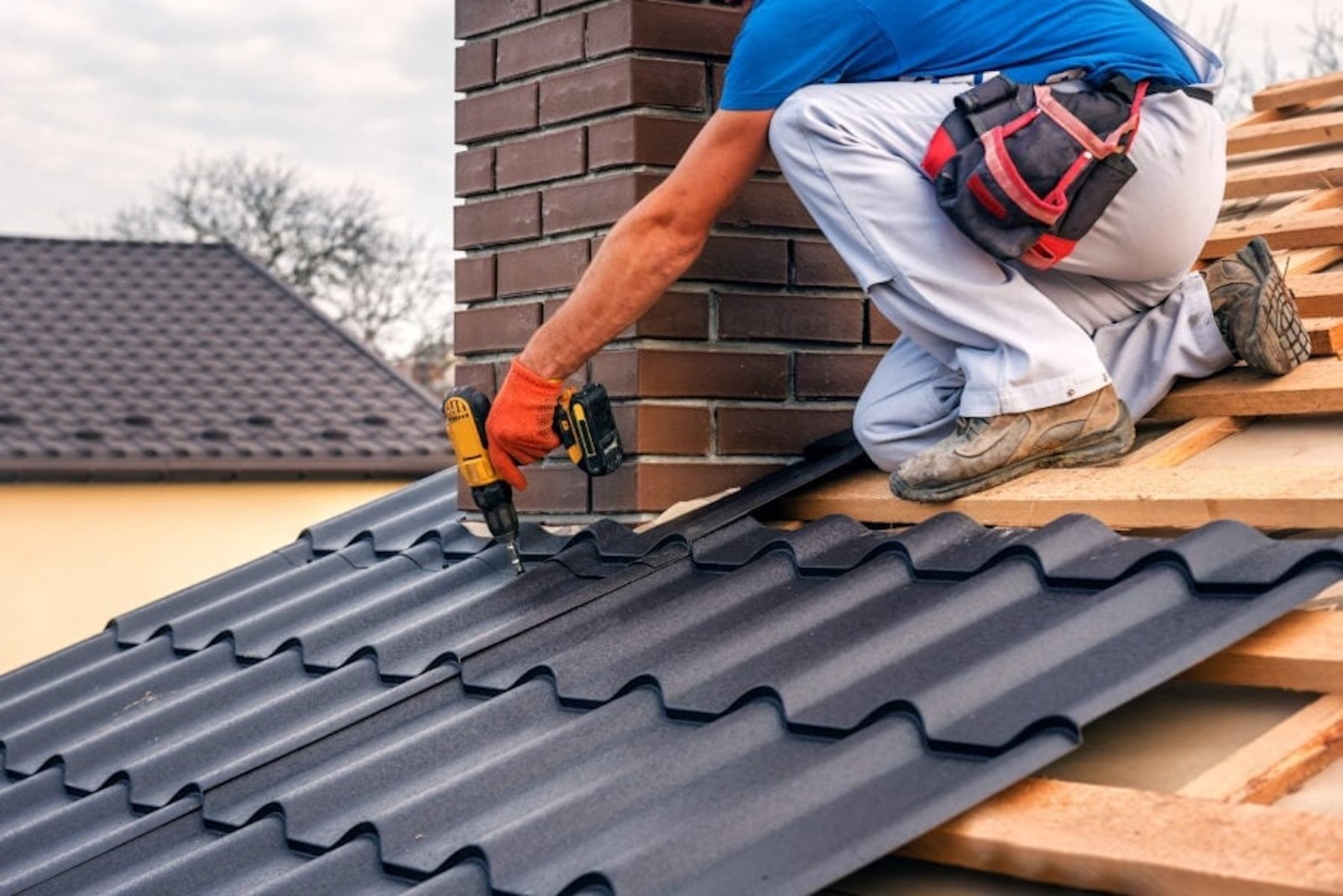
A roof is one of the most important components of any building because it protects the structure, interior, and belongings from rain, wind, sunlight, and changing weather conditions. Metal roofing has become a popular choice for residential and commercial properties because of its durability, strength, and relatively low maintenance requirements. However, even a strong metal roof can develop problems over time due to weather exposure, improper installation, aging materials, or a lack of regular maintenance. Professional metal roof repair helps address these issues before they develop into expensive structural concerns. From loose fasteners and damaged panels to leaking seams and deteriorating flashing, timely repairs can restore a roof’s protective capabilities while extending its useful life. Property owners who understand the importance of early maintenance can make informed decisions, protect their investment, and maintain a safer, more comfortable indoor environment throughout the year.
Understanding the Importance of Metal Roof Maintenance
Metal roofing systems are designed to withstand demanding environmental conditions, but their performance depends on the quality of the materials, installation methods, and ongoing maintenance. Temperature fluctuations cause metal panels to expand and contract, while strong winds, heavy rainfall, and airborne debris can gradually affect vulnerable areas. When these conditions are ignored, small defects may develop into leaks, corrosion, or damage to the underlying roofing structure. Regular inspections and professional metal roof repair allow property owners to identify these concerns before they compromise the roof’s overall performance. A trained roofing professional can evaluate the condition of panels, seams, fasteners, flashing, and drainage components to determine which repairs are necessary. Addressing minor issues promptly can reduce the likelihood of widespread damage, prevent unnecessary replacement expenses, and help preserve the roof’s original functionality for many years.
Common Problems That Affect Metal Roofing Systems
Although metal roofs are known for their resilience, they can experience several problems throughout their service life. Loose or missing screws are among the most common concerns because fasteners hold roofing panels securely in place and help maintain a dependable weather barrier. When fasteners loosen, their washers deteriorate, or installation holes become enlarged, water may enter through vulnerable openings. Panel movement, damaged seams, and deteriorating sealants can create additional pathways for moisture, particularly around roof transitions and penetrations. Rust and corrosion may also develop when protective coatings become damaged or water remains trapped on the surface for extended periods. Professional metal roof repair addresses these problems according to their underlying causes instead of simply covering visible damage. Proper diagnosis is essential because an ineffective repair may provide temporary relief while allowing moisture intrusion or material deterioration to continue beneath the roofing surface.
Identifying Roof Leaks Before They Cause Major Damage
Roof leaks are among the most disruptive problems a property owner can experience because water can travel considerable distances between the point of entry and the location where it becomes visible indoors. A small opening around a fastener, seam, flashing component, or roof penetration may allow moisture to enter the building during rainfall. Over time, this moisture can stain ceilings, damage insulation, weaken wood components, and encourage mold growth when conditions remain damp. Effective metal roof repair begins with locating the actual source of the leak rather than assuming that the visible interior stain directly identifies the problem area. Roofing specialists inspect the roof surface, examine transitions, evaluate drainage patterns, and assess nearby materials to establish an appropriate repair plan. Early intervention can help protect interior finishes, reduce the likelihood of secondary damage, and prevent a minor roofing defect from becoming a much larger restoration project.
Repairing Loose Fasteners and Damaged Screws
Fasteners play a critical role in keeping metal roofing panels securely attached to the supporting structure, and even small fastener problems can affect the roof’s resistance to wind and moisture. Screws may loosen because of repeated thermal movement, installation errors, vibration, or deterioration of the surrounding materials. Rubber or other sealing washers can also become brittle, compressed, or cracked after years of exposure to sunlight and changing temperatures. When these components fail, rainwater may seep through the resulting openings and damage the materials underneath. Professional metal roof repair may involve replacing damaged fasteners, installing suitable sealing washers, correcting improperly secured panels, and evaluating nearby attachment points for similar problems. Simply tightening every screw without assessing its condition is not always appropriate because overtightening can damage washers or distort the metal surface. Careful repair techniques help maintain a secure attachment system while minimizing the risk of additional leaks.
Addressing Corrosion and Surface Rust
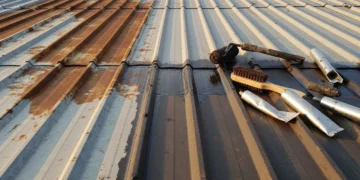
Corrosion can gradually reduce the performance and appearance of metal roofing, especially when protective coatings are scratched, damaged, or exposed to persistent moisture. Certain roof areas may be more vulnerable than others, including locations where debris accumulates, drainage is restricted, or dissimilar metals come into contact under unsuitable conditions. Early signs may include discoloration, small rust spots, flaking coatings, or rough patches around fasteners and panel edges. If these warning signs are overlooked, corrosion can progress and eventually create holes or weaken important roofing components. Professional metal roof repair may include removing loose corrosion, preparing the affected surface, applying compatible protective treatments, and replacing metal sections when deterioration is too advanced for a dependable localized repair. The correct approach depends on the roofing material, the extent of the damage, and the manufacturer’s recommendations. Addressing corrosion early helps preserve the roof’s integrity and reduces the likelihood of premature panel replacement.
Repairing Seams, Joints, and Overlapping Panels
Metal roofing systems often rely on seams, joints, and overlapping panels to create a continuous barrier against water infiltration. These connections must accommodate movement while maintaining a reliable seal, which means damaged sealants or poorly secured seams can become significant sources of leaks. Wind-driven rain may enter through vulnerable joints, while accumulated debris can prevent water from draining properly across certain roof configurations. In some cases, previous repairs may have used incompatible materials that deteriorate quickly or interfere with the natural movement of the panels. A qualified roofing professional performing metal roof repair examines the type of roofing system and determines whether a seam requires resealing, mechanical adjustment, or replacement of a damaged section. The repair method should be compatible with the metal, existing coating, and roof design. Properly restored seams help maintain weather resistance, reduce moisture intrusion, and support the long-term performance of the entire roofing assembly.
Maintaining Flashing Around Roof Penetrations
Flashing is an essential roofing component that directs water away from vulnerable transitions, including chimneys, vents, skylights, wall connections, and other roof penetrations. These areas require particular attention because different building materials meet at these points, creating joints that must remain properly sealed as the structure experiences temperature changes and movement. Damaged flashing, deteriorated sealants, incorrect installation, or loose connections can allow water to enter even when the surrounding metal panels remain in excellent condition. Effective metal roof repair includes evaluating flashing for cracks, separation, corrosion, and other defects that may affect its ability to direct water away from the building. Depending on the problem, the solution may involve resealing a compatible joint, securing a loose component, correcting an installation defect, or replacing damaged flashing. Because roof penetrations can be difficult to inspect from the ground, periodic professional evaluations are especially valuable for identifying problems before interior damage becomes apparent.
Repairing Metal Roof Panels After Storm Damage
Severe weather can place considerable stress on metal roofing systems, even when the original materials were selected for durability. Strong winds may loosen fasteners, lift panel edges, or expose vulnerable seams, while falling branches and airborne debris can dent or puncture the roofing surface. Heavy rain may reveal weaknesses that were previously difficult to detect, particularly around flashing, drainage points, and older repair locations. Following a storm, property owners should look for visible changes from a safe position and arrange a professional inspection if damage is suspected. Experienced technicians providing metal roof repair can determine whether affected panels can be restored or whether replacement is necessary to maintain a dependable protective barrier. They may also inspect the supporting structure and adjacent roofing sections for less obvious problems. Prompt repairs help reduce the risk of continued water intrusion and prevent damaged components from becoming more vulnerable during subsequent storms.
Why Professional Installation Knowledge Matters During Repairs
Metal roofing systems vary significantly in their materials, panel profiles, fastening methods, coatings, and installation requirements. A repair technique suitable for one roofing system may not be appropriate for another, which is why identifying the existing roof type is an important first step. Standing-seam roofs, exposed-fastener panels, and other metal roofing designs each have particular requirements for managing water, accommodating movement, and maintaining secure connections. Professional metal roof repair takes these differences into account before selecting replacement materials, sealants, fasteners, or restoration methods. A knowledgeable contractor also understands how to avoid damaging protective coatings or creating unnecessary penetrations during the repair process. Using compatible components and following suitable installation practices improves the likelihood that the repaired area will perform as intended. This attention to detail can prevent recurring problems and help preserve the benefits that made metal roofing an attractive investment in the first place.
Improving Energy Efficiency Through Proper Roof Care
A metal roof can contribute to a building’s energy performance, but its overall effectiveness depends on several factors, including insulation, ventilation, air sealing, roof color, and the condition of the roofing assembly. Reflective finishes may help reduce solar heat absorption, while a properly designed insulation system limits unwanted heat transfer between the building and the outdoors. When roofing panels become damaged or moisture enters the insulation, the building may experience reduced comfort and potentially higher heating or cooling demands. Professional metal roof repair helps preserve the integrity of the roof assembly by correcting defects that could compromise insulation, ventilation details, or the building envelope. During an inspection, a contractor may identify concerns that require attention beyond the visible metal surface, such as damaged underlayment or moisture-affected supporting materials. Repairing these issues supports the roof’s protective function and helps maintain more consistent indoor conditions without promising energy savings that depend on other building characteristics.
Preventing Water Accumulation and Drainage Problems
Effective drainage is essential for every roofing system because water that remains on the surface for extended periods can increase the risk of leaks, corrosion, and deterioration around joints. Although many metal roofs are designed to shed water efficiently, blocked gutters, accumulated leaves, damaged drainage components, and poorly designed transitions can interfere with this process. Debris may collect near valleys, roof edges, penetrations, or other areas where water flow changes direction. Over time, repeated moisture exposure can weaken protective coatings and reveal weaknesses in seals or fasteners. Thorough metal roof repair should consider drainage conditions alongside visible panel damage because repairing a leak without correcting the underlying water accumulation may allow the same problem to return. Contractors can assess whether gutters and downspouts are functioning correctly, identify obstructions, and recommend appropriate corrections. Maintaining clear drainage pathways helps protect the roofing materials and reduces the likelihood of moisture-related damage around the roof and exterior walls.
Understanding the Difference Between Repair and Replacement
Deciding whether to repair or replace a metal roof requires an assessment of its age, condition, construction, and history of previous problems. A roof with isolated loose fasteners, limited corrosion, or a small damaged panel may be a strong candidate for targeted repairs, particularly when the surrounding materials remain sound. However, widespread corrosion, extensive panel failure, repeated leaks in multiple areas, or significant structural deterioration may indicate that more comprehensive work is necessary. Reliable metal roof repair begins with an honest evaluation of the roof’s current condition and the likely effectiveness of the proposed solution. Contractors should explain the visible defects, identify any limitations that affect the repair, and discuss alternatives when localized work may not provide lasting value. Property owners should also consider the expected service life of the existing roof, the cost of repeated repairs, and any manufacturer requirements that may apply. A well-informed decision helps balance immediate expenses with long-term reliability and building protection.
How Regular Inspections Reduce Unexpected Roofing Expenses
Preventive maintenance is often more manageable than responding to extensive damage after water has entered the building or roofing materials have deteriorated significantly. Regular inspections help identify loose fasteners, damaged flashing, deteriorating sealants, rust spots, and drainage problems while repairs may still be relatively straightforward. Inspection frequency should reflect the roof’s age, exposure, design, and history of damage, with additional evaluations after severe weather when appropriate. Professional metal roof repair can be incorporated into a broader maintenance strategy that prioritizes small corrective tasks before they develop into more costly projects. Property owners should keep records of inspections, previous repairs, product information, and any recurring concerns so contractors can evaluate changes over time. Although maintenance cannot eliminate every roofing problem, it can improve the chances of detecting defects early and help building owners plan expenses more effectively. Consistent attention also supports safer building conditions and helps preserve the value of the property.
Choosing a Qualified Roofing Contractor
Selecting the right contractor is an important part of achieving a dependable repair because the quality of the workmanship can influence how long the repaired area performs. Property owners should look for professionals with relevant metal roofing experience, appropriate licensing where required, suitable insurance, and a clear process for evaluating damage. A reliable contractor should explain the problem in understandable terms, outline the proposed repair method, identify the materials being used, and provide a written estimate describing the work. When arranging metal roof repair, it is also helpful to ask whether the contractor has experience with the specific panel profile and fastening system installed on the property. Vague estimates, unexplained charges, and promises that a roof will never leak again should be treated cautiously. Clear communication and realistic expectations help property owners compare options and understand what the repair is intended to accomplish. Choosing based on workmanship, relevant experience, and transparency rather than price alone can support better long-term results.
Protecting the Roof After Repairs Are Completed
Once roofing repairs have been completed, appropriate maintenance can help preserve the results and identify new problems before they become serious. Property owners should periodically examine the roof from the ground for obvious changes, such as displaced panels, visible rust, damaged gutters, or debris accumulation. Interior ceilings and upper walls should also be monitored for fresh stains, peeling finishes, or signs of moisture, particularly after heavy rainfall. Roof access should be left to trained professionals whenever possible because metal surfaces can be slippery, steep roof slopes create fall hazards, and stepping on unsupported areas may cause damage. Professional metal roof repair should be followed by practical maintenance recommendations suited to the specific roofing system, including guidance on cleaning, inspection intervals, and compatible materials for future work. Keeping maintenance records and addressing newly identified concerns promptly can help prevent repeated failures. With a consistent care plan, property owners can better protect their investment and support the continued performance of the roofing system.
Conclusion
Metal roofing offers durability, weather resistance, and long-term value, but these benefits depend on proper installation, regular inspection, and timely attention to developing problems. Loose fasteners, leaking seams, damaged flashing, corrosion, and storm-related panel damage can all affect the roof’s ability to protect a building when left unaddressed. Professional assessment helps identify the source of these issues and determine whether localized repairs or more extensive work are appropriate. Property owners who prioritize maintenance, select experienced contractors, and use materials compatible with their existing roofing system can reduce avoidable damage and make more informed decisions about future expenses. When a roofing concern appears, arranging a qualified inspection is a practical step toward protecting the structure, preserving indoor comfort, and extending the useful life of the roof. For more information about roofing and exterior construction solutions, visit metal roof repair to explore services that may support your property improvement goals.