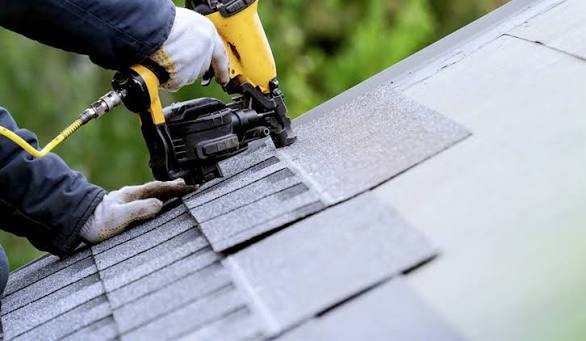
Your roof works harder than almost any other part of your home. It shields you from scorching summers, torrential storms, and bitter winters, often without a single complaint. But even the toughest roofs eventually reach their limit. Knowing when to repair and when to replace can save you from costly surprises down the road.
Many homeowners put off addressing roofing concerns because it feels like a daunting, expensive project. The truth is, a well-planned replacement can be straightforward, and the long-term savings far outweigh the upfront investment. A deteriorating roof doesn’t just look bad. It can lead to water damage, mold growth, and skyrocketing energy bills as your home loses its ability to regulate temperature efficiently.
This post walks through the warning signs that indicate your roof needs more than a quick patch job, what factors influence the cost and timeline of a replacement, and why choosing the right materials makes all the difference. By the end, you’ll have a clearer picture of what to expect and how to move forward with confidence.
How Old Is Your Roof?
Age is one of the biggest indicators of whether your roof needs replacing. Most asphalt shingle roofs last between 20 and 25 years, while materials like metal or tile can stretch beyond 50 years with proper maintenance. If your roof is approaching or has surpassed its expected lifespan, it’s worth having it inspected even if there are no obvious problems yet.
Older roofs tend to lose their protective granules, become brittle, and develop weak spots that aren’t always visible from the ground. A professional inspection can reveal underlying issues like rotted decking or compromised flashing that aren’t apparent during a casual glance.
What Physical Damage Should You Watch For?
Certain visual cues make it clear that a roof is nearing the end of its useful life. Keep an eye out for:
- Curling, cracking, or missing shingles: These are often the first visible signs of wear and tear.
- Granule loss: Check your gutters for accumulated granules, which indicate your shingles are deteriorating.
- Sagging areas: A roof that dips or sags may have structural damage that requires immediate attention.
- Daylight through the attic: If you can see light coming through your roof boards, it’s a sign of serious gaps or holes.
- Moss or algae growth: While not always harmful, excessive growth can trap moisture and accelerate decay.
Spotting one or two of these signs might just mean a repair is needed. But when multiple issues appear together, it usually points to a bigger problem that a patch job won’t solve.
Is Your Energy Bill Creeping Up?
A failing roof often shows up in unexpected places, like your monthly utility bill. Poor insulation and ventilation caused by roofing damage force your HVAC system to work overtime, trying to maintain a comfortable indoor temperature. If you’ve noticed a steady increase in energy costs without a clear explanation, your roof could be the culprit.
Newer roofing materials are designed with energy efficiency in mind, offering better insulation and reflective properties that help regulate indoor temperatures year-round. Replacing an aging roof isn’t just about appearance. It’s an investment that can pay for itself through reduced energy consumption.
How Do You Know If It’s Repair or Replacement?
This is often the hardest decision for homeowners. A repair might fix an isolated issue, like a single leak or a few damaged shingles, but it won’t address underlying problems throughout the entire roofing system. Replacement becomes the smarter choice when:
- Repairs have become frequent and costly over the past few years.
- Damage is spread across large sections of the roof rather than isolated spots.
- The roof has exceeded 75% of its expected lifespan.
- You’re planning to sell your home and want to maximize its value.
A thorough inspection from a qualified roofing contractor can help you weigh these factors and make an informed decision rather than guessing based on appearance alone.
What Materials Should You Consider for Your New Roof?
Choosing the right roofing material depends on your budget, climate, and aesthetic preferences. Asphalt shingles remain the most popular option due to their affordability and versatility, available in a wide range of colors and styles. Metal roofing has gained popularity for its durability and energy efficiency, often lasting 40 to 70 years with minimal maintenance. For homeowners seeking a more distinctive look, options like slate, clay tile, or cedar shakes offer unique visual appeal alongside excellent longevity.
Choose asphalt shingles if affordability and quick installation matter most to you. Choose metal roofing if you’re planning to stay in your home long-term and want to minimize future maintenance. Each material comes with its own installation requirements and price point, so discussing your priorities with a knowledgeable contractor ensures you select the best fit for your home and budget.
How Can Alpine Roofing Help With Your Next Project?
Roof replacement provides an opportunity to strengthen your home’s protection while giving its exterior a fresh, attractive appearance. Alpine Roofing brings years of hands-on experience to every project, guiding homeowners through material selection, cost estimates, and installation timelines with clear communication and dependable workmanship at every step.
We understand that replacing a roof is a significant decision, which is why we prioritize clear communication and quality craftsmanship from the initial inspection to the final walkthrough. Our team uses premium materials backed by strong manufacturer warranties, so you can feel confident knowing your investment will stand the test of time. Whether you’re dealing with storm damage, an aging roof, or simply want to upgrade your home’s appearance, Alpine Roofing delivers results that homeowners can rely on for decades to come.
Ready to Move Forward?
A new roof is one of the most impactful upgrades you can make for your home, improving both its protection and its value. Watching for warning signs like missing shingles, rising energy bills, or frequent repairs can help you catch problems before they escalate into bigger headaches.
If you’ve noticed any of these red flags, don’t wait for a small issue to become a major repair bill. Reach out to a trusted roofing professional today to schedule an inspection and get a clear picture of what your home needs. Taking action now means a stronger, safer roof over your head for years to come.