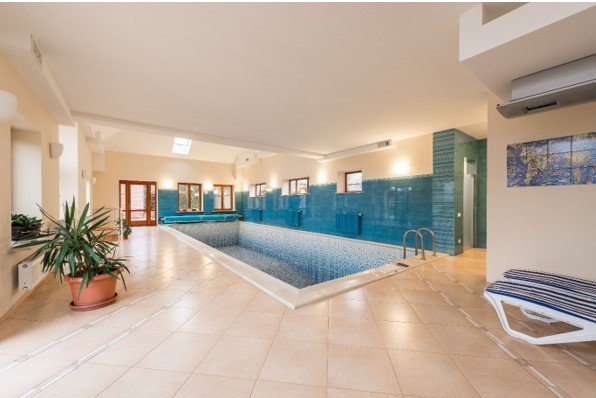
What homeowner doesn’t at least entertain the notion of having a pool at home, and an indoor pool at that. A pool is good, and an indoor pool (that you don’t have to fish leaves out of) even better. That indoor pool does add comfort and value to your home, but with that water in the house does come certain concerns. The pool water will constantly release moisture into the air, and without proper control that moisture settles on walls, ceilings, windows, and finishes. Specialists understand that humidity is a building problem, and not just an issue of comfort, and they manage it with a clear process.
Here’s a short guide to help you understand how the pros handle the addition of a pool to your home.
1. Assessing The Room Before Recommending Equipment
Specialists begin by studying the space; specifically, they look at pool size, water temperature, air temperature, room volume, and how often you expect to use the pool. They also check for signs of past moisture damage such as peeling paint, rust, or mould to inform them of potential issues the pool may contribute to. These details are crucial to finding the appropriate solution. It’s vital to design the appropriately-sized dehumidification system to alleviate any additional moisture; an undersized system will struggle to remove moisture while an oversized one wastes energy.
2. Installing Dedicated Dehumidification Systems
Standard air conditioners simply don’t cut it for pool environments; dedicated pool humidifiers are the right tool for this job. These dedicated dehumidifiers pull moisture from the air, and many models can also recover the heat from that process to warm the room or the pool water. Teams like King Air’s can reliably install and service these units, ensuring they match the demands of each space and run reliably through every season.
3. Managing Airflow Across Surfaces
Keeping the air moving is always a factor in preventing moisture from settling. Specialists can design ductwork that directs dry air across windows, exterior walls, and ceilings (these being the areas where condensation forms first). Designing regular airflow this way also protects nearby rooms, including finished spaces that may contain materials sensitive to excess humidity. Homeowners who invest in wooden flooring (such as Mercier flooring) in Toronto must keep this in mind, as hardwood near a pool room requires stable conditions to remain level.
4. Monitoring Conditions Year-Round
Humidity does shift with the seasons, especially during winter when windows and walls tend to cool down as they lose heat to the exterior. Specialists can set up controls that track temperature and moisture in a room, and then adjust the system automatically to maintain equilibrium. Investing in a level of oversight is key to keeping the room comfortable and protecting the structure of any surrounding rooms.
5. Scheduling Routine Maintenance
Dehumidifiers work hard every day, so filters, coils, sensors, and drains need regular attention. Like any appliance, this maintenance is key to keeping the dehumidifier working properly and avoiding any costly breakdowns that could affect your quality of life. A technician can spot worn parts before they fail, and keep humidity levels steady. Skipping service is generally an invitation to sudden breakdowns. However, sometimes urgent repairs simply fall on you without prior warning. To avoid straining your budget, looking into instant online payday loans in Ontario can help you cover the cost of repairs and get your system operational with minimal delay and stress.
Humidity may be invisible, but its effects show up on every surface of a pool room, and so demand the appropriate care to avoid causing water damage. Working with experienced specialists to counter the effects of that indoor humidity goes a long way to protecting the home, the finishes, and everyone who enjoys the indoor pool all year round.
Frequently Asked Questions
1. What Causes High Humidity In An Indoor Pool Room?
Warm pool water evaporates constantly, and this process releases moisture into the air. Swimmers, splashing, and higher water temperatures can increase how much moisture builds up. Without proper control, that moisture collects on cooler surfaces throughout the room.
2. Can A Regular Air Conditioner Control Pool Room Humidity?
Not effectively. Standard units are not designed for constant moisture loads or chlorinated air, so a dedicated pool dehumidifier is the better choice for keeping conditions stable year-round.
3. What Are The Signs Of A Humidity Problem?
Foggy windows, dripping ceilings, musty odours, peeling paint, rust on fixtures, and mould growth all point to excess moisture that needs attention. Catching these signs early helps prevent costly structural repairs later.
4. How Often Should A Pool Dehumidifier Be Serviced?
Filters need regular checks, and routine professional inspections help catch worn parts early. The manufacturer’s guidelines are the best reference for exact service intervals, but busy pools may need more frequent attention.
5. Can Pool Room Humidity Damage Other Parts Of The Home?
Yes, it can. Moist air can travel into nearby rooms, affecting drywall, wood flooring, furniture, and framing over time if the pool area is not properly sealed and ventilated.