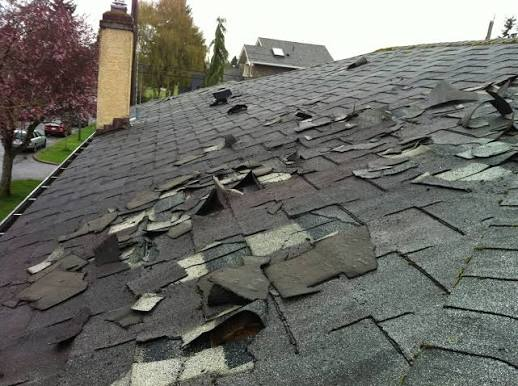
Severe weather doesn’t announce itself politely. One minute the sky is calm, and the next, hail is hammering your shingles, wind is peeling back flashing, and branches are crashing onto your roofline. For homeowners, the aftermath of a storm often brings more questions than answers. Is the damage visible? Is it structural? Will insurance cover it?
This guide walks through what storm damage looks like, why it matters to address quickly, and how professional roofing experts help homeowners protect their biggest investment.
What Does Storm Damage to a Roof Actually Look Like?
Storm damage isn’t always obvious from the ground. While missing shingles or a visible hole are easy to spot, many forms of damage hide in plain sight until they become expensive problems.
Hailstorms leave behind dented or bruised shingles, which weaken the roof’s ability to shed water. High winds can lift shingles at the edges, breaking the seal that keeps moisture out even if the shingle doesn’t blow off entirely. Heavy rain exposes gaps around vents, chimneys, and skylights that wouldn’t cause issues on a dry day but become major leak points during a downpour.
Falling debris, from small twigs to entire limbs, can puncture roofing material or crack underlying decking. Even after the storm passes, gutters clogged with debris can cause water to back up under shingles, leading to rot that develops over weeks or months.
Why Quick Action Matters After a Storm
Delaying a roof inspection after severe weather rarely works in a homeowner’s favor. Small issues compound quickly. A single cracked shingle can let water seep into the attic, soaking insulation and encouraging mold growth long before any ceiling stain appears indoors.
Insurance timelines matter too. Many policies require damage to be reported within a specific window after a storm event. Waiting too long to document damage can complicate or even disqualify a claim, leaving homeowners to cover repair costs out of pocket.
There’s also the matter of compounding weather exposure. A roof that’s already compromised is far more vulnerable to the next storm. What starts as minor wind damage can turn into a collapsed section of roofing after a second or third weather event hits the same weak spot.
How Professional Roofers Assess Storm Damage
A trained eye catches what most homeowners miss. Roofing professionals typically conduct a full visual inspection, checking shingles for bruising, granule loss, and lifted edges. They examine flashing around chimneys, vents, and skylights, since these areas are common entry points for water. Gutters and downspouts get checked for dents and debris, as well as the overall roof structure for sagging or soft spots that could indicate deeper issues.
Many roofing companies also use drone technology or ladder-based inspections to document damage thoroughly, which proves useful for insurance claims. Photos and detailed notes create a clear record that supports a homeowner’s case when filing paperwork.
Repair or Replace? How to Know Which Your Roof Needs
Not every storm-damaged roof needs full replacement, but it’s not always a simple fix either. The right decision depends on a few key factors.
Choose a repair if the damage is isolated to a small section, the roof is relatively new, and the underlying structure remains sound. Patching shingles or replacing flashing can resolve the issue affordably and quickly.
Choose a replacement if the roof is already near the end of its expected lifespan, the damage is widespread across multiple sections, or repeated storms have weakened the decking underneath. In these cases, a full replacement often saves money over time by preventing recurring repair costs and future leaks.
A professional inspection removes the guesswork, giving homeowners a clear recommendation based on the roof’s actual condition rather than assumptions made from the ground.
Why Homeowners Trust Elevate Roofing Pros After a Storm
Elevate Roofing Pros has built a reputation on thorough inspections, honest assessments, and durable repairs that hold up long after the crew packs up. The team understands that storm damage affects more than shingles. It affects a family’s sense of security in their own home.
Addressing roof storm damage quickly protects your home from costly water intrusion, structural weakening, and the stress of a complicated insurance process. That’s why Elevate Roofing Pros prioritizes fast response times after severe weather, often scheduling inspections within days of a homeowner’s call. Every assessment comes with clear photo documentation, a straightforward explanation of findings, and support throughout the insurance claims process when applicable.
From minor shingle repairs to full roof replacements, the team uses quality materials designed to withstand future weather events, not just patch over current damage. Homeowners get a roof built to last, backed by a company that treats every project with the same care they’d want for their own home.
Protecting Your Home Starts With a Simple Inspection
Storms are unpredictable, but the response to them doesn’t have to be. A prompt, professional inspection after severe weather can mean the difference between a minor repair and a major, costly replacement down the road.
If a recent storm has left questions about the condition of your roof, don’t wait for a small issue to become a bigger one. Reach out to Elevate Roofing Pros for a thorough assessment and a clear plan to get your home back to full strength.
Frequently Asked Questions
How soon after a storm should I get my roof inspected?
Ideally within a few days. Early inspection helps catch hidden damage before it worsens and ensures you stay within most insurance claim deadlines.
Will my insurance cover storm damage to my roof?
Most homeowners’ insurance policies cover storm-related roof damage, though coverage specifics vary. A documented inspection strengthens your claim.
Can I inspect my roof myself after a storm?
A visual check from the ground can reveal obvious issues, but many forms of damage, like lifted shingle seals or cracked decking, require a trained professional to identify.
How long does a typical roof repair take?
Most isolated repairs are completed within a day, while full replacements can take one to three days depending on roof size and material.