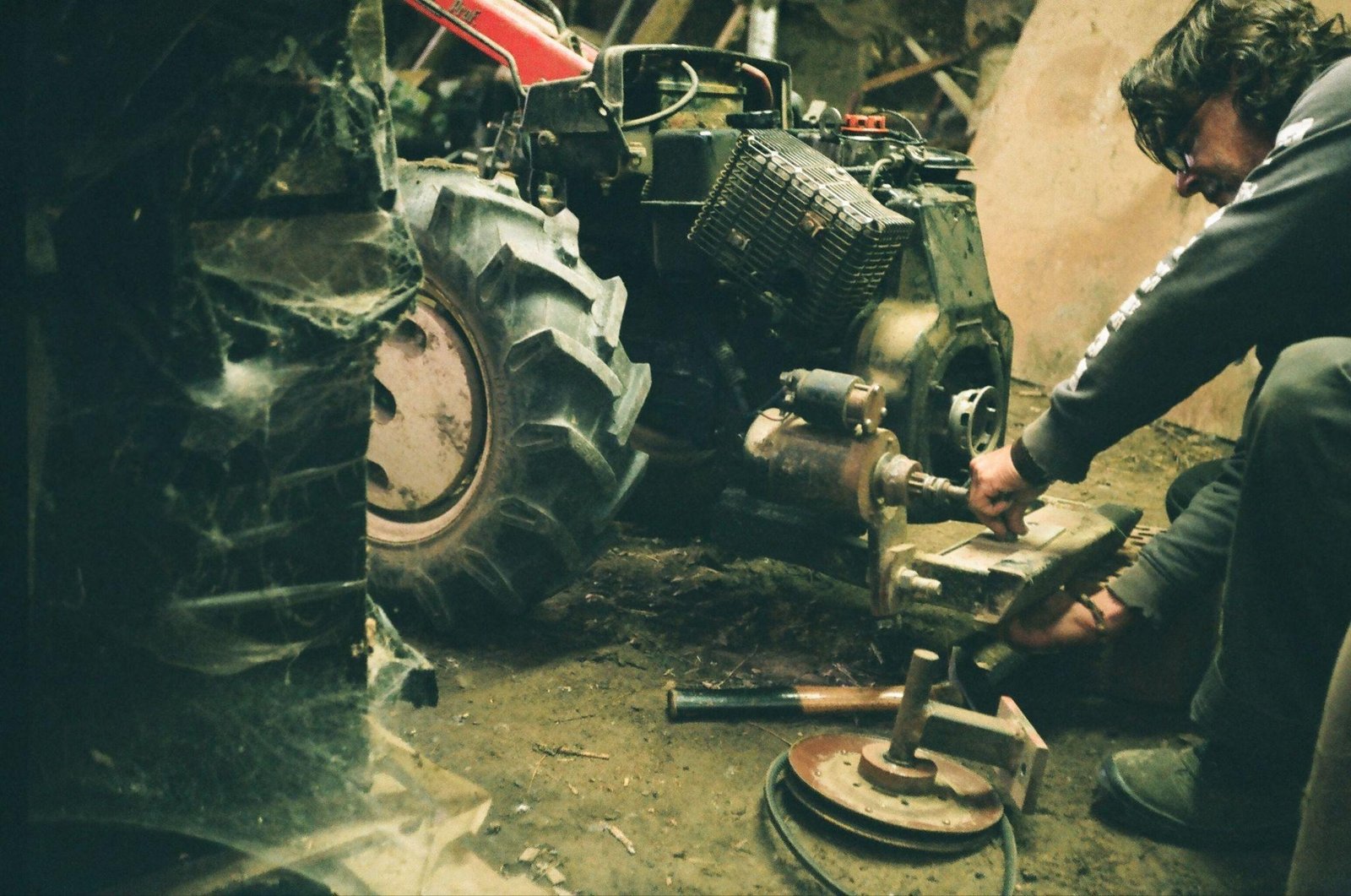
Farm tractors are expected to perform demanding agricultural work under changing weather and field conditions. Whether a tractor is pulling heavy equipment, transporting materials, or supporting daily farm activities, its reliability affects how smoothly operations continue. Unexpected mechanical problems can interrupt important tasks, increase repair expenses, and create unnecessary pressure during busy agricultural periods.
For farmers purchasing equipment from a farm tractor manufacturer in China, understanding proper maintenance is just as important as selecting a suitable machine. Even a well-designed tractor needs regular inspections, correct servicing, and responsible operation to remain dependable. A practical maintenance routine helps farmers identify developing problems, protect important components, and manage equipment expenses more effectively.
Why Preventive Maintenance Matters in Agriculture
Agricultural machinery often operates in environments filled with dust, moisture, uneven ground, and changing temperatures. These conditions can gradually affect mechanical components, particularly when equipment is used for extended periods.
Preventive maintenance involves checking and servicing machinery before serious problems develop. Rather than waiting for a breakdown, farmers inspect important systems and follow the manufacturer’s recommended service schedule.
This approach can help reduce avoidable repairs and improve equipment reliability. It also makes maintenance expenses easier to plan.
However, preventive maintenance cannot eliminate every mechanical failure. Its main purpose is to recognize warning signs early and keep equipment operating within recommended conditions.
Start Every Working Day With a Tractor Inspection
A daily inspection is one of the simplest ways to identify possible equipment problems. Before starting work, operators should examine the tractor while it is parked safely on suitable ground.
A basic inspection should include:
- Fluid levels: Check engine oil, coolant, and hydraulic fluid according to the operating manual.
- Tires: Look for visible damage, unusual wear, or incorrect inflation.
- Leaks: Inspect beneath the tractor for signs of oil, fuel, or coolant leakage.
- Safety equipment: Confirm that guards, lights, and other required protective components are in place.
- Connections: Check accessible attachment points, pins, and hydraulic connections for visible problems.
These checks should follow the manufacturer’s instructions and should not involve reaching near moving components.
A short inspection before work can reveal issues that might otherwise remain unnoticed until the tractor is operating under heavy loads.
Keep Engine Oil and Filters in Good Condition
Engine oil helps lubricate moving components and reduces friction inside the engine. During regular operation, oil gradually becomes contaminated and loses some of its protective properties.
Using unsuitable oil or delaying recommended changes can contribute to increased engine wear.
Farmers should follow the oil specifications and replacement intervals provided in the tractor’s operating manual. Different engines may require different lubricants and service procedures.
Oil filters also need attention because they help remove contaminants circulating through the lubrication system.
When changing oil, operators should use approved replacement components and dispose of used fluids responsibly.
Keeping accurate records of oil changes helps ensure servicing is completed when required rather than relying on memory.
Protect the Cooling System From Overheating
A tractor engine produces significant heat during operation. The cooling system helps maintain appropriate temperatures and prevents overheating under normal working conditions.
Dust, crop residue, and other debris can accumulate around radiator screens and cooling surfaces, particularly during harvesting or dry-weather operations.
Operators should inspect accessible cooling areas and clean them using methods recommended by the manufacturer.
Coolant levels and visible hoses should also be checked regularly. Cracked hoses, leaking connections, or repeated coolant loss may indicate developing problems.
Never open a hot, pressurized cooling system. Allow the engine to cool and follow the manufacturer’s safety instructions before inspection or servicing.
Maintaining the cooling system is especially important during long working days when tractors operate continuously in warm conditions.
Pay Attention to Tires and Wheel Condition
Tractor tires influence traction, stability, and operating efficiency. Their condition matters whether the machine is working in a field or traveling between agricultural locations.
Incorrect tire pressure can affect handling and contribute to uneven wear. However, the appropriate pressure depends on the tire specification, load, and operating conditions.
Farmers should therefore use the recommendations provided by the tire and tractor manufacturers.
Visible cuts, cracks, damaged rims, and loose wheel fasteners also deserve attention.
When a tractor carries heavy attachments or operates on difficult terrain, correct tire selection and maintenance become particularly important.
Regular inspections can help identify damage before it develops into a more serious operating problem.
Maintain the Hydraulic System Carefully
Hydraulic systems support many agricultural tractor functions, including implement lifting, steering on certain models, and operation of compatible attachments.
When comparing tractors from a farm tractor manufacturer in China, buyers should understand the hydraulic requirements of their intended equipment and the maintenance procedures for the selected model.
Hydraulic fluid should meet the manufacturer’s specifications, and replacement intervals must follow the service schedule.
Operators should inspect accessible hoses and connections for damage or signs of leakage. High-pressure hydraulic fluid can penetrate the skin and cause serious injuries, so leaks must never be checked using bare hands.
Before carrying out maintenance, attachments should be lowered or properly supported, the engine stopped, and hydraulic pressure relieved according to the manufacturer’s instructions.
Damaged hydraulic components should be repaired by appropriately trained personnel.
Inspect the Power Take-Off and Attachment Connections
The power take-off, commonly known as the PTO, allows compatible agricultural implements to receive mechanical power from the tractor.
PTO systems are used with equipment such as certain mowers, rotary tillers, and other powered agricultural attachments.
Because PTO components rotate during operation, proper guarding is essential.
Operators should check that protective shields are correctly installed and that the driveline shows no visible signs of damage.
Attachment pins, hitch connections, and locking devices should also be inspected before equipment is used.
Maintenance must never be performed on rotating PTO components. The PTO should be disengaged, the engine stopped, and all moving parts allowed to stop completely before anyone approaches the driveline.
Following these precautions helps protect both equipment and operators.
Watch for Electrical and Battery Problems
Electrical systems support tractor starting, lighting, monitoring, and other functions depending on the model.
A weak battery or damaged electrical connection can prevent a tractor from starting, even when its main mechanical components are functioning correctly.
Operators should look for loose connections, visible cable damage, and corrosion around battery terminals.
Battery maintenance requirements vary between models. Some batteries require periodic attention, while others are designed with limited service needs.
Electrical work should follow the manufacturer’s instructions because batteries and electrical circuits can present serious hazards.
Warning lights and dashboard indicators should not be ignored. Repeated alerts may indicate an issue that requires further inspection.
Addressing electrical problems promptly can help prevent unnecessary interruptions to daily farm activities.
Create a Maintenance Schedule Based on Operating Hours
Tractor servicing should follow the manufacturer’s recommended intervals rather than relying only on calendar dates.
Many maintenance activities are scheduled according to engine operating hours because machinery usage varies significantly between farms.
A tractor working daily may reach its next service interval much sooner than one used occasionally.
Farmers should record the hour-meter reading and compare it with the maintenance schedule.
Some tasks require daily checks, while others are performed after specific operating intervals or periods of storage.
A clear servicing calendar helps operators prepare replacement filters, lubricants, and other necessary materials.
It also reduces the risk of missing important maintenance because several people are responsible for the same machine.
Keep Accurate Equipment Maintenance Records
Maintenance records provide useful information about the condition and operating history of a tractor.
Farmers do not necessarily need complicated software to maintain these records. A notebook or simple spreadsheet may be sufficient.
Useful information includes the date of service, engine hours, work completed, replacement parts installed, and any problems reported by operators.
Over time, these records can reveal recurring faults or increasing repair expenses.
They may also help technicians understand previous maintenance work when investigating a mechanical issue.
For agricultural businesses operating several tractors, organized records make equipment management more transparent.
Good documentation also helps farmers evaluate whether continued repairs remain practical as machinery becomes older.
Prepare Essential Spare Parts Before Busy Periods
Agricultural work often depends on completing tasks within limited periods. Waiting for a replacement part during an important operation can create avoidable delays.
Farmers should identify frequently replaced service items and determine which ones are sensible to keep available.
Depending on the tractor model and maintenance requirements, these may include approved filters, lubricants, belts, and other routine service components.
However, spare parts should be selected according to the exact machine specification. Using incorrect components can create additional problems.
Equipment owners should also establish reliable communication with suppliers or local service providers.
Preparing maintenance materials before demanding agricultural periods can reduce delays when routine servicing becomes necessary.
Encourage Operators to Report Problems Early
Tractor operators are often the first people to notice unusual equipment behavior. Changes in engine sound, steering response, vibration, or performance may indicate developing problems.
Farm managers should encourage operators to report these observations instead of continuing work without investigation.
Training should cover correct startup procedures, daily inspections, safe attachment handling, and recognizing dashboard warnings.
Operators should also understand when a machine must be taken out of service.
Clear communication between drivers, supervisors, and maintenance personnel can help prevent small issues from becoming more serious.
A responsible maintenance culture depends on treating equipment problems as matters requiring attention rather than inconveniences to ignore.
Choosing Equipment With Long-Term Support in Mind
Reliable tractor ownership begins with understanding the machine’s servicing needs before purchasing it. Farmers should consider the availability of operating manuals, compatible replacement parts, technical assistance, and clear maintenance instructions. Selecting equipment with suitable support arrangements can make future servicing easier.
For buyers exploring agricultural machinery, gengjiaagri.com provides information about tractors across different horsepower categories and available equipment configurations. The product range includes options intended for various agricultural and transportation applications. Farmers can review these models and discuss technical requirements, spare parts, and maintenance support before making purchasing decisions. Confirming these details helps buyers develop realistic expectations about long-term equipment ownership.
Conclusion
Farm tractor maintenance is an important part of managing agricultural operations efficiently. Regular inspections, correct fluid servicing, hydraulic safety, tire care, and accurate maintenance records all contribute to responsible equipment management. Rather than waiting for unexpected breakdowns, farmers can follow preventive maintenance routines that identify problems early and support dependable operation.
A tractor that receives appropriate care is better prepared for demanding agricultural work. By following manufacturer recommendations and encouraging responsible operating habits, farm businesses can manage repair expenses more effectively, reduce avoidable downtime, and protect their machinery investment over the long term.