Service firms depend on accurate project, time and cost data, yet many still run finance on ledgers designed for product-based businesses. As client portfolios expand, that mismatch creates delayed invoices, uncertain margins and heavy manual workloads. Finance teams then spend more time reconciling systems than explaining performance.
A service-focused ERP connects financial records with the operational activity that produces revenue. That connection gives project managers and finance leaders a shared view of work in progress, billing and profitability.
The Flaw in Traditional General Ledgers
A traditional general ledger records transactions after they occur. It can show revenue, payroll costs and expenses at an organizational level, but it often lacks the project detail needed by service firms. Finance may know that labor costs increased while still being unable to identify which engagement exceeded its budget.
This limitation becomes more serious when teams use separate tools for project planning, expenses and invoicing. Data has to be exported, reformatted and reconciled before month-end reporting can begin. Modern ERP systems in accounting address this fragmentation by connecting operational records with core financial processes. Firms should map every manual handoff in their current close process to identify the largest sources of delay and error.
Where Time and Billing Disconnect
Service revenue begins with recorded time, approved expenses and agreed billing terms. When those details sit in separate applications, small delays quickly affect cash flow. A consultant may submit 40 hours on Friday, but an approval bottleneck can keep those hours off the next invoice. Finance sees incomplete work in progress while the project manager sees an apparently current schedule.
Industry-specific requirements can add another layer. For example, law firm accounting software must account for timekeeping, billing and matter-level financial records. Other professional services face similar links between delivery and revenue. Standardize time-entry deadlines, automate approval reminders and define one source of billing data to reduce missed charges.
Deploying ERP Accounting Software for Service Industries
Start deployment with the processes that directly affect revenue recognition, billing and project control. Document how an engagement moves from proposal to staffing, time entry, invoice approval and payment. This process map helps you find duplicate data entry and determine which integrations are truly necessary.
When evaluating ERP accounting software for service industries, look for connected financial management, project management and automated workflows. The system should also support multi-entity consolidation if the firm operates through several legal entities or currencies. Use a pilot involving a small group of representative projects, then compare invoice timing, adjustment rates and close duration with your previous baseline before expanding the rollout.
Real-Time Visibility Into Project Profitability
Project profitability changes long before a final invoice reaches the ledger. Extra hours, unplanned subcontractor costs or delayed milestones can reduce a margin within days. Real-time reporting gives managers an opportunity to respond while the engagement is still active.
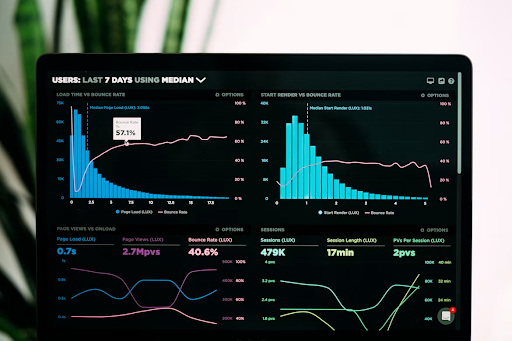
A useful dashboard should compare contracted value, approved time, forecast labor, expenses and billed revenue at the project level. Suppose a six-month implementation has used 70% of its labor budget after three months. The project lead can review staffing, scope and remaining deliverables immediately instead of discovering the issue during month-end reporting. Set alerts for budget consumption, overdue approvals and unbilled work so exceptions reach the responsible manager quickly.
Sustaining Growth Without Headcount Bloat
Growth often exposes process weaknesses before it creates a need for more finance staff. If every new project adds spreadsheet updates, invoice checks and manual journal entries, transaction volume will eventually overwhelm the team. Automation can absorb much of that work while preserving review controls.
Track the amount of effort required per invoice, project and monthly close. Falling processing time is a clearer sign of scalable operations than total transaction volume alone. Standard templates, automated account coding and role-based approvals also reduce dependence on individual employees’ knowledge.
A well-designed system should let finance focus on forecasts, margin risks and resource demand. The clearest test comes at the next reporting cycle: project leaders should see the same current figures that finance uses to close the books.