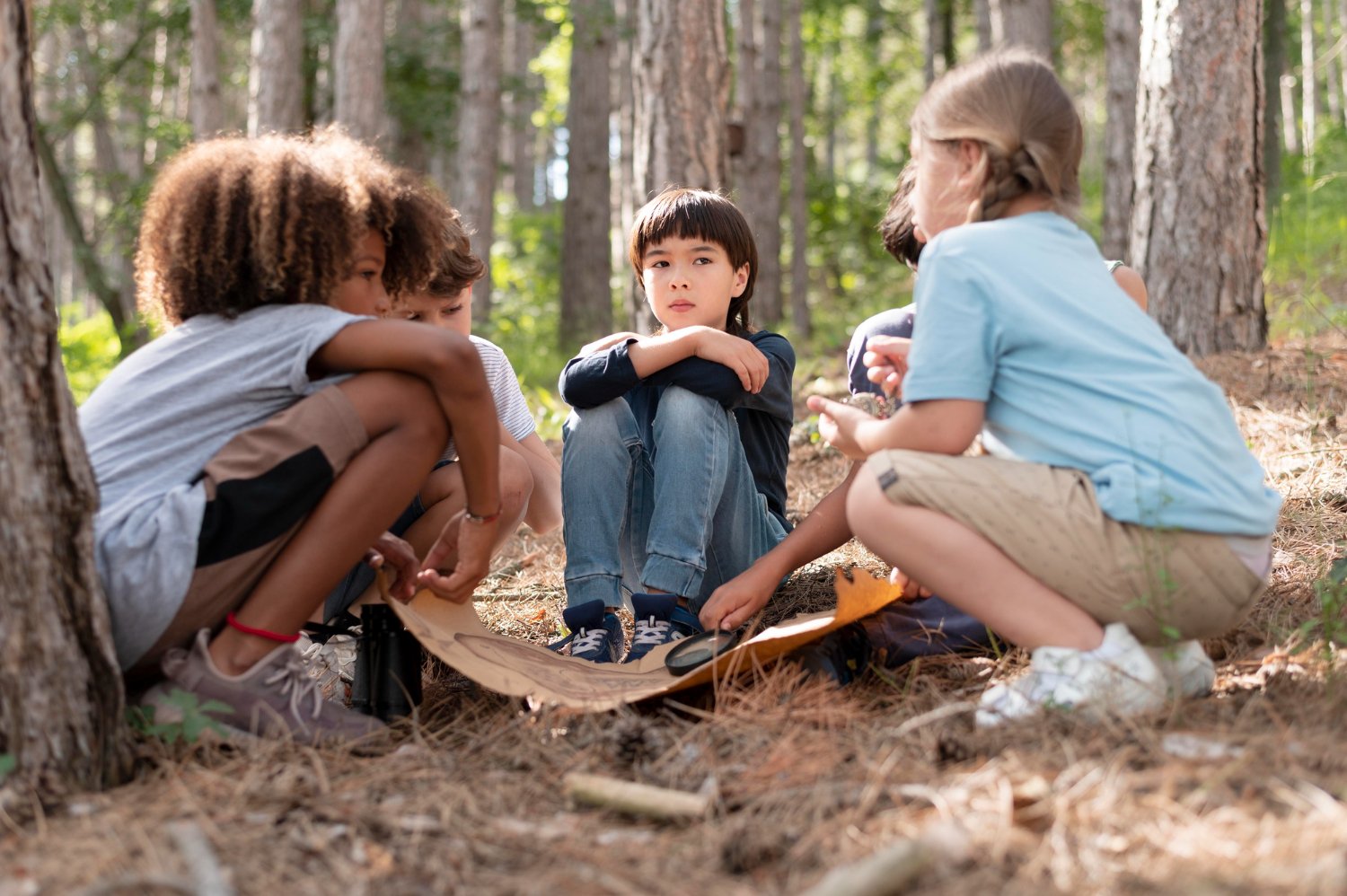
Summer holidays are often associated with freedom, excitement, and long hours of play. Yet these weeks can also provide valuable opportunities for children to develop abilities that support their everyday lives.
Participating in a summer camp introduces children to experiences that encourage decision-making, communication, adaptability, and independence.
The most meaningful holiday activities combine enjoyment with opportunities for personal growth, allowing children to discover their abilities in a relaxed environment.
Summer Learning Goes Beyond Traditional Education
Learning does not stop when regular classroom activities pause.
Children continue developing through conversations, games, creative challenges, and social experiences.
A thoughtfully designed holiday program encourages them to explore unfamiliar situations without unnecessary pressure.
Why Experiential Learning Works
Experiential learning involves understanding concepts through direct participation.
For example, building a structure encourages planning, while group storytelling strengthens communication.
Children learn through experimentation, observation, and reflection.
These experiences can make new skills easier to understand and remember.
Developing Problem-Solving Abilities
Children encounter small challenges throughout their daily activities.
A puzzle may require patience, while a construction task may involve experimenting with different approaches.
Such experiences help children understand that challenges can have multiple solutions.
Encouraging Independent Thinking
Adults can support problem-solving by asking open-ended questions instead of immediately providing answers.
Questions about what might happen next or how an activity could be completed encourage reflection.
Children gradually become more confident in their ability to make decisions.
Strengthening Communication Skills
Holiday programs often introduce children to unfamiliar peers and educators.
These interactions encourage them to express preferences, ask questions, and participate in conversations.
Learning to Listen and Respond
Communication involves more than speaking.
Children also practice listening, understanding instructions, and responding respectfully.
Group discussions, storytelling circles, and collaborative activities provide natural opportunities to strengthen these abilities.
Building Adaptability Through New Experiences
Trying unfamiliar activities can initially feel challenging.
However, supportive experiences help children become more comfortable with change.
They learn to approach new situations with curiosity rather than hesitation.
Developing Confidence Through Participation
A child who initially avoids a group activity may gradually become interested after observing others.
Gentle encouragement and opportunities to participate at their own pace can support this transition.
Recognizing effort helps children develop confidence without creating competition.
Encouraging Responsibility and Independence
Holiday activities can introduce manageable responsibilities.
Children may organize materials, care for shared resources, or participate in cleaning up after activities.
These experiences strengthen independence and awareness of others.
They also help children understand that their actions contribute to a shared environment.
Supporting Emotional Development
Group activities naturally introduce different emotions.
Children may experience excitement, disappointment, frustration, or pride.
Supportive educators help them recognize these feelings and develop appropriate responses.
Learning to Handle Small Setbacks
Not every activity will go exactly as expected.
A creative project may need adjustment, or a group game may require patience.
When adults respond positively to setbacks, children learn that mistakes are part of learning.
This perspective encourages resilience.
Finding Meaningful Holiday Activities in Sholinganallur
Parents exploring summer learning opportunities in Sholinganallur should consider activity variety, age suitability, safety, and opportunities for social interaction.
It is useful to ask how activities are adapted for different abilities and how educators support children who are new to group environments.
The most suitable experience should balance enjoyment, exploration, and emotional comfort.
Conclusion
Summer camp can contribute meaningfully to a child’s development by encouraging communication, creativity, adaptability, and independence.
Through enjoyable experiences and supportive interactions, children discover new interests while strengthening essential life skills.
A thoughtful holiday program helps children return to their regular routines with fresh experiences, growing confidence, and happy memories.