A practical guest feature for lifestyle and brand teams
One product image can establish the look before camera motion is added.
A single product photograph is enough to start a coherent fashion film if the brief is designed around what the image can prove. The strongest 30-second results come from a clear visual proposition, a disciplined reference set and a shot plan that leaves room for motion.
Choose the promise before the aesthetic
The first decision is not whether the clip should feel glossy, editorial or raw. It is what the viewer must understand within the first two seconds. A fragrance film may need to establish material and light. A bag launch may need to show scale and hardware. A fashion drop may need one movement that makes the fabric readable. Write that promise in one sentence and use it to reject shots that look attractive but do not support the product.
The source photo should show the product at full resolution with clean edges and no cropped label. A neutral background is helpful, but it is not the only option when the original image already carries a strong campaign direction. The more important reference is a second image that makes the intended lighting and surface material explicit. If the product photo has warm shadows, do not ask the model to invent a cold studio without a reference.
Build three shots into one continuous idea
Thirty seconds invites too many ideas. A more reliable structure is a rapid texture close-up, a product reveal and a final movement that leaves the viewer with a clear memory of shape or material. The three moments should feel like one camera path, even when the edit changes scale. For a vertical film, open with a detail that reads on a phone, then use the wider frame to explain the product rather than repeating the same packshot.
A Seedance 2.5 free trial can be used to test this structure before a full campaign build. The product page describes up to 30 seconds of continuous video in one generation and up to 50 image, video and audio references. It also identifies product ads, social video and character-led stories as suitable uses. Test the continuity of the product first. A beautiful environment is not useful if the bottle changes shape or the logo becomes unreadable.
Write a shot list the model can follow
A fashion prompt works better as a sequence of observable actions than as a pile of adjectives. State what the camera sees, how it moves and what changes by the end. Keep the product’s name, packaging and color language consistent. A concise first prompt can look like this:
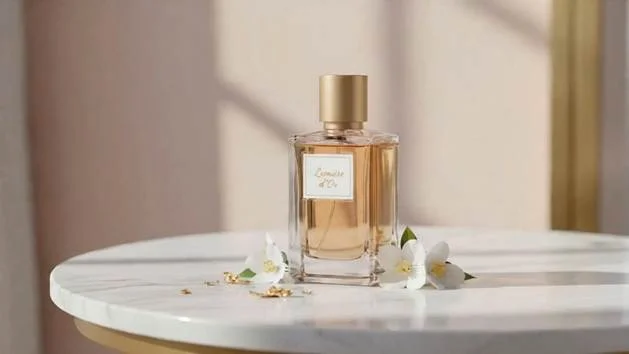
Use the supplied fragrance bottle as the only product reference. Begin in a macro shot on the glass edge, with warm afternoon light moving across the table. Pull back slowly to reveal the full bottle and pale flowers, then settle on a clean three-quarter hero angle. Keep the label, bottle geometry and liquid color unchanged. No people, no text overlays and no extra products.
The prompt leaves the environment some freedom but removes ambiguity around the product. It also gives the editor a clear beginning, middle and ending. When the first output fails, change one instruction connected to the failure. If the camera movement is too strong, lower the pull-back. If the product is not readable, hold the three-quarter angle longer. Rewriting the entire prompt makes the next comparison impossible.
Use examples to define the visual bar
Before generating a campaign, scan Seedance video examples for clips with a comparable camera distance and lighting setup. The point is not to copy a frame. It is to agree on a realistic visual target with the art director, copywriter and editor. A reference that shows a product close-up also reveals whether hands, reflections or moving text are likely to need more attention. Agreeing on that standard early is faster than reviewing outputs without a shared benchmark.
Protect the product across every frame
Product video has a practical hierarchy. Packaging and logo are factual. Surface finish, color and proportions are close behind. Camera mood can move within an approved range, but it should not change the identity of the product. Use a shorter generated segment when the label begins to drift, and build the remaining sequence around stable hero frames. The result can still feel continuous after editing even when it was assembled from more than one take.
Check the first, middle and final frame at full size. Then watch the clip at phone scale. Many defects disappear in a large preview because the eye follows the motion, but the viewer will see the same clip in a narrow feed. If the product disappears into the background or the type loses contrast, solve that before polishing the camera move.
A compact production brief
- Product promise: what the viewer should remember after one viewing.
- Reference pack: clean product image, lighting reference and one motion reference.
- Shot arc: opening detail, explanatory reveal and closing hero frame.
- Fixed facts: packaging, logo, color, finish and proportions.
- Output settings: aspect ratio, resolution and intended feed placement.
- Review gate: product truth, motion quality and a readable first two seconds.
One photo can support a polished fashion film, but only when the brief gives the generator a specific visual job. Define the product promise, limit the number of shots, protect factual details and test the sequence at the size the audience will use. That approach produces a clip that can move from experiment to campaign without requiring a new shoot for every idea.