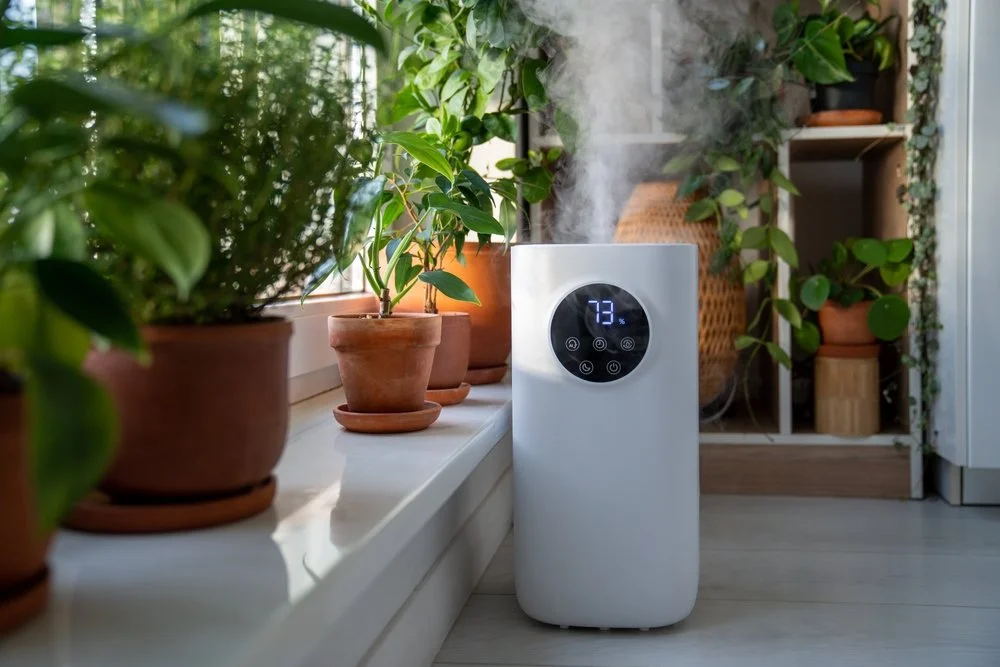
Maintaining comfortable indoor air conditions is an important part of creating a healthy and pleasant environment in residential and commercial properties. While heating and cooling systems regulate indoor temperatures, humidity levels also have a significant influence on how comfortable a building feels throughout the year. When indoor air becomes excessively dry, occupants may experience dry skin, irritated throats, uncomfortable breathing, static electricity, and other problems associated with low humidity. Dry indoor conditions can also affect wooden furniture, flooring, musical instruments, and other household materials. Professional humidifier installation provides an effective solution by introducing equipment designed to add controlled moisture to indoor air. When properly selected and integrated with an existing HVAC system, a humidifier can help maintain more balanced humidity levels and improve overall indoor comfort. Understanding how humidification systems operate, which options are available, and why professional installation matters can help property owners make informed decisions about maintaining suitable indoor air conditions.
Understanding the Importance of Indoor Humidity
Indoor humidity plays an important role in maintaining a comfortable living and working environment. When moisture levels become too low, indoor air can feel unusually dry, particularly when heating systems operate for extended periods. Heated air can contribute to lower relative humidity when no additional moisture is introduced into the environment. As a result, occupants may notice dry skin, irritated nasal passages, uncomfortable throats, and increased static electricity. Professional humidifier installation can help address these conditions by introducing controlled moisture into the indoor environment. A properly designed humidification system works alongside existing heating and cooling equipment to maintain more consistent humidity levels, making indoor spaces feel more comfortable without requiring property owners to depend entirely on small portable devices.Humidity levels can also influence the condition of different materials throughout a property. Wooden furniture, hardwood flooring, cabinets, doors, and musical instruments may respond to changes in moisture levels by expanding, contracting, or developing cracks. Extremely dry indoor conditions can contribute to moisture loss in natural materials, potentially affecting their appearance and long-term condition. Professional humidifier installation provides property owners with an opportunity to manage indoor humidity more consistently and reduce the effects associated with excessively dry air. However, humidity should always remain within an appropriate range because excessive moisture can encourage condensation and mold growth. A balanced approach that considers both humidity and ventilation is essential for maintaining a comfortable indoor environment.
How Humidification Systems Work
Humidification systems are designed to introduce moisture into indoor air through controlled evaporation or other manufacturer-approved processes. Some systems use water panels that allow warm air to absorb moisture as it passes through the humidifier, while other models use specialized mechanisms to distribute moisture throughout a building. Whole-home humidifiers are commonly connected to central HVAC equipment, allowing moisture to enter the air distribution system and circulate through multiple rooms. Professional humidifier installation helps ensure that the equipment is connected correctly, receives an appropriate water supply, and works with the existing heating and cooling system. Understanding how the humidifier operates is important because different models have different installation requirements, maintenance needs, and operating capabilities.The humidification process generally involves monitoring indoor humidity and adjusting moisture output according to the selected settings. Many systems use a humidistat to measure humidity levels and control when the equipment operates. When indoor moisture falls below the desired setting, the humidifier can introduce additional moisture into the air, depending on the system configuration and operating conditions. Professional humidifier installation includes evaluating the placement and settings of the humidistat so that the equipment can respond appropriately to indoor conditions. Correct installation and calibration help prevent excessive humidification while supporting consistent operation. Technicians can also explain how the system interacts with the furnace, blower motor, ductwork, and other HVAC components.
Why Professional Humidifier Installation Matters
Choosing a suitable humidifier is only one part of creating a reliable indoor humidity solution because installation quality also affects equipment performance. Whole-home humidifiers often require connections to existing ductwork, water lines, electrical components, and HVAC controls. Incorrect connections or unsuitable placement can create water leakage, drainage difficulties, electrical problems, or inconsistent moisture distribution. Professional humidifier installation helps ensure that each component is positioned and connected according to manufacturer specifications. Experienced technicians can inspect the existing heating and cooling equipment, determine whether the system can accommodate the selected humidifier, and complete the necessary installation work using appropriate procedures. This attention to detail helps property owners avoid preventable problems and supports dependable operation.Professional installation also helps ensure that the humidifier is properly sized for the property. A system that is too small may struggle to maintain suitable humidity levels, while an oversized unit may introduce excessive moisture if its controls are not properly configured. Building size, insulation, ventilation, heating equipment, and indoor moisture conditions can all influence humidification requirements. During professional humidifier installation, technicians can evaluate these factors and recommend equipment that matches the property’s needs. They can also explain the differences between available humidifier models, their maintenance requirements, and their compatibility with existing HVAC systems. This evaluation helps homeowners make practical decisions instead of purchasing equipment that may not deliver the expected results.
Different Types of Whole-Home Humidifiers
Bypass humidifiers are among the common options used in residential HVAC applications. These systems generally use a water panel through which air passes, allowing moisture to evaporate and enter the circulating air. A bypass humidifier typically relies on the heating system’s blower and an air connection between supply and return ductwork to move air through the humidification unit. Professional humidifier installation is important because the bypass arrangement must be configured correctly to support proper airflow and moisture distribution. Technicians also need to connect the water supply and drainage components appropriately. When properly installed and maintained, a bypass humidifier can provide a practical way to introduce moisture into the indoor environment.
Fan-powered humidifiers use an integrated fan to move air through the humidification unit rather than relying entirely on the HVAC system’s natural airflow arrangement. This design can provide different installation possibilities and may be suitable for properties where a bypass configuration is not ideal. Professional humidifier installation helps determine whether a fan-powered model is compatible with the existing HVAC equipment and whether sufficient electrical connections and installation space are available. The system’s fan, water panel, controls, and drainage components must all function correctly to deliver consistent performance. Property owners should also consider operating noise, maintenance requirements, and replacement component availability when comparing different models.Steam humidifiers use electricity to heat water and generate steam that can be introduced into the HVAC system or distributed through a suitable delivery arrangement. These systems offer a different approach to humidification and may provide more precise moisture output depending on their design and controls. Because steam humidifiers involve electrical heating elements, water connections, and specialized distribution components, professional humidifier installation is especially important. Technicians must follow manufacturer instructions regarding electrical capacity, water supply, drainage, safety controls, and steam delivery. Selecting the appropriate steam humidifier requires evaluating the property’s moisture requirements and existing HVAC configuration. Proper maintenance is also essential for managing mineral buildup and maintaining reliable operation.
Benefits of Whole-Home Humidification Systems
One of the main advantages of a whole-home humidifier is its ability to distribute moisture through the central HVAC system. Instead of relying on several portable devices placed in individual rooms, a properly designed humidifier can introduce moisture into the air circulating through the property’s ductwork. Professional humidifier installation makes it possible to integrate the equipment with existing heating and cooling components, creating a centralized approach to humidity management. This arrangement can be especially convenient for larger homes where maintaining consistent moisture levels in multiple rooms may otherwise require several separate appliances. The actual performance depends on equipment capacity, building conditions, ventilation, and proper maintenance, but whole-home humidification can provide a practical solution for managing dry indoor air.Another advantage of whole-home humidification is the convenience of centralized operation. Portable humidifiers often require frequent refilling, cleaning, repositioning, and individual adjustment. A central system can operate through the HVAC equipment and use integrated controls to regulate moisture output. Professional humidifier installation also provides an opportunity to establish appropriate operating settings based on indoor conditions and manufacturer recommendations. This can make humidity management easier for property owners who want a consistent solution without constantly monitoring multiple appliances. However, whole-home humidifiers still require routine inspections, cleaning, and replacement of appropriate components to maintain reliable operation.
Improving Comfort During Heating Season
Indoor humidity often becomes an important consideration when heating systems operate frequently. Furnaces and other heating equipment warm indoor air, which can contribute to lower relative humidity when additional moisture is not introduced. Occupants may notice dry skin, uncomfortable throats, irritated nasal passages, and static electricity during extended heating periods. Professional humidifier installation can help address these conditions by introducing controlled moisture into the indoor environment while the heating system operates. A properly integrated humidifier works with the HVAC equipment to support more balanced indoor conditions. This can improve the overall feeling of comfort without requiring homeowners to change their regular heating routines.Humidity management can also influence how warm indoor air feels to occupants. When relative humidity is extremely low, people may experience a different level of comfort compared with an environment where moisture levels are more balanced. Professional humidifier installation allows homeowners to introduce a controlled solution that complements their existing heating equipment. However, humidification should not be used as a replacement for appropriate temperature settings, proper insulation, or regular HVAC maintenance. A balanced indoor environment requires all these factors to work together. Technicians can help property owners understand the appropriate humidity settings and explain how to adjust the system when indoor conditions change.
Protecting Wooden Furniture and Household Materials
Wood is a natural material that responds to changes in environmental moisture. When indoor air becomes excessively dry, wooden furniture, flooring, cabinets, doors, and decorative items may lose moisture and gradually contract. Over time, significant changes in moisture conditions can contribute to gaps, cracks, surface damage, or other appearance-related concerns. Professional humidifier installation can help maintain more consistent indoor humidity and reduce the effects associated with extremely dry conditions. Maintaining balanced moisture levels is particularly important in properties containing hardwood flooring, valuable furniture, musical instruments, or other items that can be affected by environmental changes.Musical instruments such as acoustic guitars, violins, pianos, and other wooden instruments may also be sensitive to changes in humidity. Extremely dry conditions can affect wooden components and potentially influence instrument stability, appearance, and performance. Professional humidifier installation can support a more controlled indoor environment, especially in rooms where sensitive wooden items are stored or used. Property owners should understand that the appropriate humidity range can vary depending on the material and manufacturer’s recommendations. Monitoring indoor conditions and avoiding excessive moisture are both important for protecting household materials while maintaining comfortable indoor air.
The Role of Humidifiers in HVAC System Performance
Humidifiers work alongside heating and cooling equipment, which means their installation must account for the operation of the existing HVAC system. The furnace, blower motor, ductwork, thermostat, and humidification controls all influence how moisture is introduced and distributed throughout the property. Professional humidifier installation allows technicians to evaluate these components and determine the most suitable connection arrangement. If a humidifier is installed without considering airflow capacity or system compatibility, moisture may not distribute evenly or the equipment may experience operating difficulties. Correct integration helps support both humidity management and normal heating and cooling performance.Proper airflow is particularly important because the humidifier depends on air movement to distribute moisture. Blocked filters, restricted vents, dirty blower components, or damaged ductwork can interfere with air circulation and affect humidification results. During professional humidifier installation, technicians can examine the HVAC arrangement and identify any conditions that may affect system performance. They may also recommend routine filter replacement, ductwork inspections, or other maintenance activities that support reliable operation. Maintaining the heating and cooling equipment is an important part of ensuring that the humidifier performs as intended throughout its service life.
Maintaining Healthy and Balanced Humidity Levels
Although adding moisture can improve comfort when indoor air is excessively dry, maintaining balanced humidity is equally important. Excessive moisture can encourage condensation on windows, walls, and other surfaces, potentially contributing to mold growth and moisture-related damage. This is why humidification systems should be properly sized and equipped with suitable controls. Professional humidifier installation helps ensure that the humidistat is configured appropriately and that the system can respond to changing indoor conditions. Technicians can explain recommended humidity settings and show property owners how to monitor moisture levels throughout different seasons.Indoor humidity requirements may change depending on outdoor temperatures, building insulation, ventilation, and everyday household activities. A setting that works comfortably during one part of the year may need adjustment when outdoor conditions change. Professional humidifier installation provides an opportunity to understand how seasonal conditions influence system operation and why appropriate control settings matter. Property owners should also monitor windows, exterior walls, and other areas where condensation may develop. If moisture-related concerns appear, the humidifier settings and ventilation conditions should be evaluated. Maintaining balanced humidity helps protect both occupants’ comfort and the condition of the property.
Maintenance Requirements for Humidification Equipment
Like other HVAC components, humidifiers require regular maintenance to maintain reliable operation. Water panels, filters, reservoirs, drainage lines, and other components may collect mineral deposits or experience normal wear during regular use. If these parts are not cleaned or replaced when necessary, the system may become less effective or develop operational problems. Professional humidifier installation should include information about the equipment’s maintenance requirements so that property owners understand how to care for their new system. Following the manufacturer’s recommendations helps reduce mineral buildup, maintain proper water flow, and support consistent moisture distribution.Routine inspections also help identify water leaks, drainage restrictions, electrical concerns, and control problems before they become more serious. Depending on the humidifier model, maintenance may involve replacing evaporative water panels, cleaning internal surfaces, checking water supply connections, and examining the humidistat. Property owners should also pay attention to unusual noises, visible moisture around the equipment, or changes in humidification performance. Scheduling regular HVAC maintenance allows technicians to examine the humidifier alongside the heating and cooling system. This comprehensive approach helps protect equipment condition and supports dependable operation over time.
Choosing the Right Humidifier for Your Property
Selecting a humidifier requires considering several factors rather than simply choosing the largest or most expensive model. Property size, insulation quality, existing heating equipment, ventilation conditions, and indoor humidity requirements all influence equipment selection. Some properties may benefit from a bypass humidifier, while others may require a fan-powered or steam-based system. Professional humidifier installation begins with evaluating these factors and identifying equipment that can provide appropriate moisture output without creating unnecessary operating complications. Choosing the right model helps ensure that the humidification system matches the property’s needs and integrates properly with existing HVAC equipment.Homeowners should also consider maintenance expenses, water requirements, electrical needs, replacement parts, and control features when comparing different systems. Some humidifiers have relatively simple maintenance requirements, while others use more advanced components that may require additional attention. Professional guidance can help property owners understand these differences and select equipment that offers a suitable balance of performance, convenience, and long-term value. A properly selected humidifier should be capable of supporting the desired humidity levels while remaining compatible with the heating and cooling system. Making an informed decision before installation can prevent unnecessary expenses and improve overall satisfaction.
Conclusion
Maintaining balanced indoor humidity is an important part of creating a comfortable residential or commercial environment. Extremely dry air can contribute to discomfort, static electricity, and changes in the condition of wooden furniture and household materials. Professional humidifier installation provides an effective way to introduce controlled moisture into indoor air while integrating the equipment with existing heating and cooling systems. From selecting the right humidifier technology to ensuring proper connections, airflow, and humidity controls, professional service plays an important role in achieving reliable performance. With appropriate equipment, regular maintenance, and balanced humidity settings, property owners can improve indoor comfort, support HVAC efficiency, and maintain a more pleasant indoor environment throughout the year.