A warehouse yard, a loading dock, and a parking area all have to be cleared after snow, and many businesses already own the machine that can do it: the forklift. A forklift snow blade slides onto the forks and turns the lift truck into a plow, which saves the cost of a second vehicle and keeps shipping on schedule. Understanding how the blade works, and what the forklift needs to do the job safely, helps a facility use it well.
Why the Forklift Is Already Equipped
A forklift is heavy, has a low center of gravity when the forks are down, and is built to push and carry loads in tight spaces. Those qualities suit snow removal. The forks provide a mounting point, so a blade can be fitted in minutes and removed again when the season ends. A site with an outdoor yard and a forklift with tires suited to pavement can cover the work without calling a contractor.
How the Blade Attaches
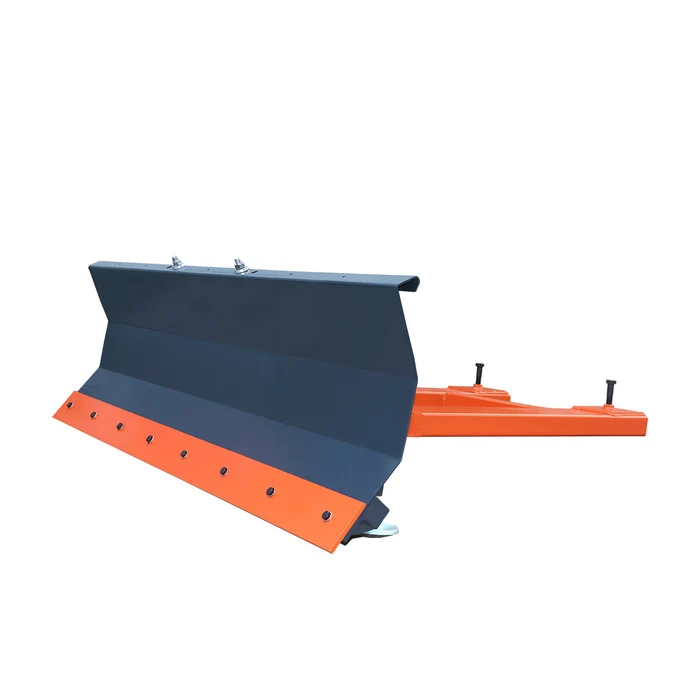
A forklift snow plow mounts through a pair of sleeves or brackets that slide over the forks and are locked with pins or a strap. Because the forks carry the blade’s weight, the forklift must be rated for the load, including the attachment, and the manufacturer lists the range of forklift sizes that suit each model. Check that the blade sits level and cannot slide off the forks, and keep the forks low while driving.
Choosing the Blade Size for the Site
Match the blade to the work. A narrow blade suits tight dock aprons and gates, while a wide blade covers open yards in fewer passes. A forklift snow blade should be wide enough to clear the truck’s own path, with a margin, so the tires always roll on cleared pavement. Consider the lift truck’s capacity too, since the manufacturer lists the sizes of forklift that suit each model.
Planning a Snow Route in a Yard
A planned route saves time. Start at the farthest point from the stacking area, push toward it in straight lines, and finish at doors and docks last so they stay clear of fresh drifts. Keep fire lanes, hydrants, and truck turning areas in mind. A forklift snow pusher works best in a steady rhythm, with the stack growing in one spot rather than spread around the yard.
Angle, Width, and Pushing Technique
A blade that can angle left or right sends snow to the side as the truck moves forward. A straight position pushes snow ahead, which suits short pushes to a stacking area. A wide blade clears more per pass but needs more room to turn, and a forklift steers with its rear wheels, so tight spaces take planning. Overlap passes by a few inches and push stacked snow to a spot away from doors, drains, and sight lines.
The Trip Edge and Hidden Obstacles
Snow hides curbs, manhole covers, and dock plates, and a rigid blade that strikes one can jolt the truck and damage the surface. A trip edge, a spring-loaded cutting edge that tips forward when it hits an obstacle, absorbs the impact and springs back. Walking the yard before the storm and marking hidden hazards reduces surprises, and slow speeds give the trip mechanism time to work.
Tires and Traction
Forklifts use either cushion tires, made of solid rubber for indoor use, or pneumatic tires, which are air-filled and grip better outdoors. A pneumatic-tire forklift is the better fit for a snowy yard, and chains can help on ice. A forklift snow pusher on slippery pavement needs slower travel, since the truck stops more slowly with a loaded blade.
Stability and Visibility
Keep the blade low while traveling, avoid sharp turns on ice, and never push on a steep slope. A forklift has a narrow wheelbase and can tip, so the operator should understand the truck’s limits. Make sure lights, mirrors, and a backup alarm work, because snow and early darkness reduce visibility.
Cold Weather and the Engine
Diesel and propane forklifts start more slowly in the cold, and batteries on electric ones lose capacity. Warm the truck before the first push, and check hydraulic oil because it thickens in freezing weather. A short test of the lift and tilt controls before starting avoids surprises when the blade is loaded.
Habits for Plowing Beside Trucks and Docks
A few habits matter every storm:
• Keep pedestrians out of the plowing area
• Lower the blade before leaving the seat
• Watch for ice under fresh snow
• Report damage to the blade or forks
Care After the Season
Rinse off salt, check the cutting edge for wear, and replace it when it is worn down. Grease the pivot points and store the blade flat so it does not warp. Facilities that use their lift trucks for winter work often look at the wider range of industrial equipment for yards and warehouses, so a single plan covers storage, handling, and snow.