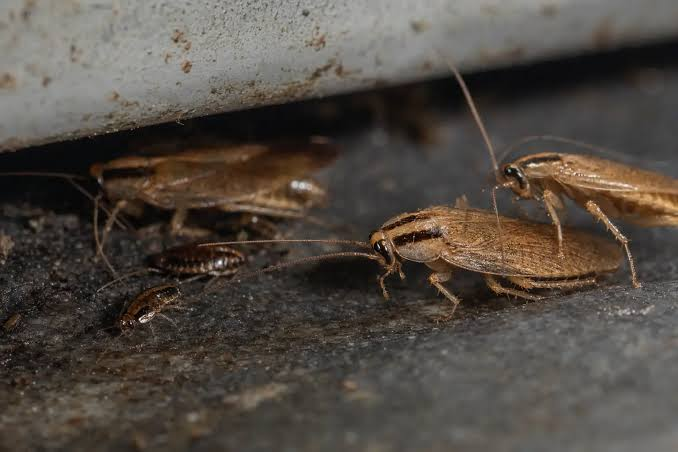
German cockroaches are small, fast, and notoriously difficult to eliminate once they settle into a home. Unlike their larger cousins, these pests thrive indoors year-round, multiplying at an alarming rate in kitchens, bathrooms, and anywhere warmth and moisture collide. If you’ve spotted even one of these reddish-brown invaders scurrying across your countertop at night, there’s a strong chance many more are hiding nearby.
Homeowners often underestimate how quickly a small sighting can turn into a full-blown infestation. German cockroaches reproduce faster than almost any other household pest, and a single female can be responsible for thousands of descendants within a year. That’s why understanding their behavior, the risks they pose, and the most effective control methods matters so much for protecting your home and your family’s health.
This post breaks down what makes German cockroaches such a persistent problem, the warning signs to watch for, and the steps you can take to reclaim your space for good.
What Makes German Cockroaches So Hard to Eliminate?
German cockroaches are built for survival. They’re small enough to squeeze through tiny cracks, they reproduce rapidly, and they’ve developed resistance to many common over-the-counter treatments over the decades. A female German cockroach carries her egg case until just before the eggs hatch, which means more offspring tend to survive compared to other roach species.
These pests also prefer to stay close to food, water, and warmth. That’s why kitchens and bathrooms are their favorite hangouts. They hide in cabinet crevices, behind appliances, inside electrical outlets, and under sinks, often going unnoticed until the population has already grown significantly.
Another reason infestations persist is that German cockroaches adapt quickly to control efforts. If a population is exposed to certain insecticides repeatedly, some individuals may survive and pass on resistant traits to future generations. This makes a one-time spray treatment far less effective than a comprehensive, multi-step approach.
Signs You Might Have a German Cockroach Problem
Catching an infestation early can make a significant difference in how quickly it’s resolved. Keep an eye out for these common indicators:
- Live or dead roaches, especially at night when they’re most active
- Small, dark droppings that resemble coffee grounds or black pepper near food storage areas
- Egg casings (oothecae), which are brown, capsule-shaped, and often found in hidden corners
- A musty, oily odor, which can develop in homes with larger infestations
- Smear marks along walls or baseboards, left behind as roaches travel
If you notice any combination of these signs, it’s worth taking action before the population grows out of control.
Why German Cockroaches Are More Than Just a Nuisance
Beyond the discomfort of sharing your home with these pests, German cockroaches pose genuine health risks. They’re known carriers of bacteria like Salmonella and E. coli, which they can transfer onto countertops, dishes, and food packaging as they travel from unsanitary surfaces into your kitchen.
Their shed skin and droppings are also linked to triggering allergies and asthma symptoms, particularly in children. Studies have shown that cockroach allergens are among the most common asthma triggers in urban households, making their presence a legitimate concern for families with young kids or anyone with respiratory sensitivities.
On top of the health implications, an active infestation can damage your home’s reputation if you’re hosting guests, renting out a property, or trying to sell. Few things turn off potential buyers or tenants faster than evidence of a pest problem.
Effective Strategies for Controlling a German Cockroach Infestation
Successfully managing a German cockroach population requires more than a single spray or trap. Here are the strategies that tend to work best:
Sanitation and Prevention
Removing food and water sources is the first line of defense. Wipe down counters nightly, store food in sealed containers, and fix any leaky pipes or faucets that provide a water source. Reducing clutter also eliminates hiding spots where roaches like to breed undisturbed.
Sealing Entry Points
German cockroaches can slip through gaps as thin as a credit card. Caulking cracks around baseboards, pipes, and window frames helps limit their ability to travel between rooms or enter from outside.
Baiting and Targeted Treatments
Gel baits and bait stations tend to be more effective than sprays because roaches carry the bait back to their nests, where it spreads to others through contact and feeding. This creates a chain reaction that can eliminate significantly more of the population than surface sprays alone.
Monitoring and Follow-Up
Because German cockroaches reproduce so quickly, ongoing monitoring is essential even after visible signs of the infestation disappear. Sticky traps placed in key areas can help track whether the population is shrinking or if additional treatment is needed.
When to Call in Professional Help
DIY methods can help manage a minor cockroach sighting, but established infestations often require a more strategic, professional approach. Getting rid of a German cockroach problem for good often comes down to expert German Cockroach Control that targets hiding spots DIY methods simply can’t reach. Professional pest control technicians have access to treatments and application methods that go beyond what’s available on store shelves, along with the experience to identify nesting sites that homeowners frequently miss.
At Critter Stop, our technicians are trained to assess the full scope of an infestation, not just the visible signs. We take a tailored approach that considers your home’s layout, the severity of the problem, and the underlying conditions that may be attracting roaches in the first place. Rather than offering a quick, temporary fix, we focus on long-term solutions that keep these pests from returning.
Protecting Your Home for the Long Run
German cockroaches are resilient, but they’re not unbeatable. With a combination of good sanitation habits, proactive sealing, and targeted treatment methods, most infestations can be brought under control. For situations that have gotten out of hand, partnering with experienced professionals ensures the problem is addressed at its source rather than just managing symptoms.
If you’re noticing the warning signs of a German cockroach infestation in your home, don’t wait for the problem to grow. Reach out to Critter Stop today to schedule an inspection and take the first step toward a roach-free home.